In an increasingly fast-paced world, parents and educators are asking: What exactly are schools that teach mindfulness, and why are they gaining so much traction across the United States? This burgeoning educational approach is not just a passing trend; it represents a profound shift towards integrating social-emotional learning with academic rigor. These innovative institutions are actively cultivating environments where students can develop crucial life skills such as stress management, emotional regulation, and focused attention, which are vital for both academic success and overall well-being. From urban centers to suburban communities, a growing number of schools are adopting mindfulness practices, transforming traditional classrooms into spaces of calm and concentration. By exploring the who, what, when, where, why, and how of this movement, we aim to shed light on how these programs are preparing children for a more balanced and resilient future, helping them navigate complex challenges with greater ease and inner strength. This article delves into the core principles and practical applications of mindfulness in educational settings, providing valuable insights for anyone curious about this transformative educational paradigm.
Are you wondering who is embracing mindfulness in education, what it actually involves, when this trend began taking hold, where these innovative schools are located, why its becoming so vital, and how these programs truly make a difference for children across the United States? Its a question many parents and educators are pondering as they seek effective ways to support young people in navigating the pressures of modern life. Schools that teach mindfulness are dedicated educational institutions that integrate practices like meditation, breathing exercises, and mindful movement into their daily routines and curriculum, often starting from early childhood education all the way through high school. This approach has steadily gained momentum over the last two decades, particularly in urban and suburban areas, as research increasingly highlights the positive impact of mindfulness on mental health, emotional regulation, and academic performance. These programs are implemented to equip students with powerful tools to manage stress, improve focus, foster empathy, and cultivate a deeper sense of self-awareness, ultimately preparing them not just for tests, but for life itself, by teaching them how to calmly observe their thoughts and feelings without judgment, creating a more peaceful and productive learning environment for everyone involved.
Understanding Schools That Teach Mindfulness: A New Era in Education
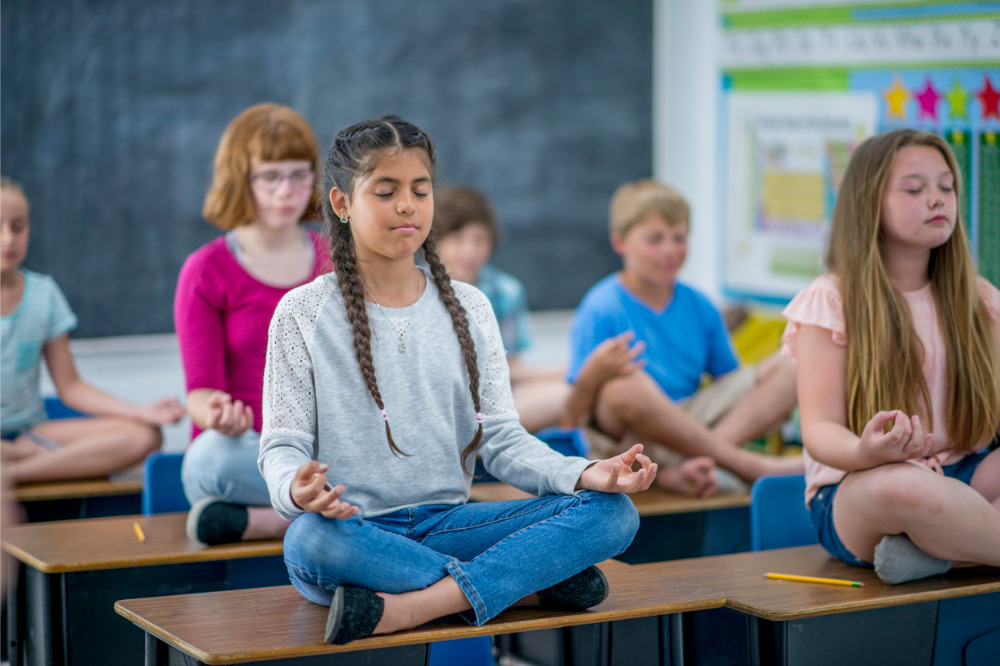
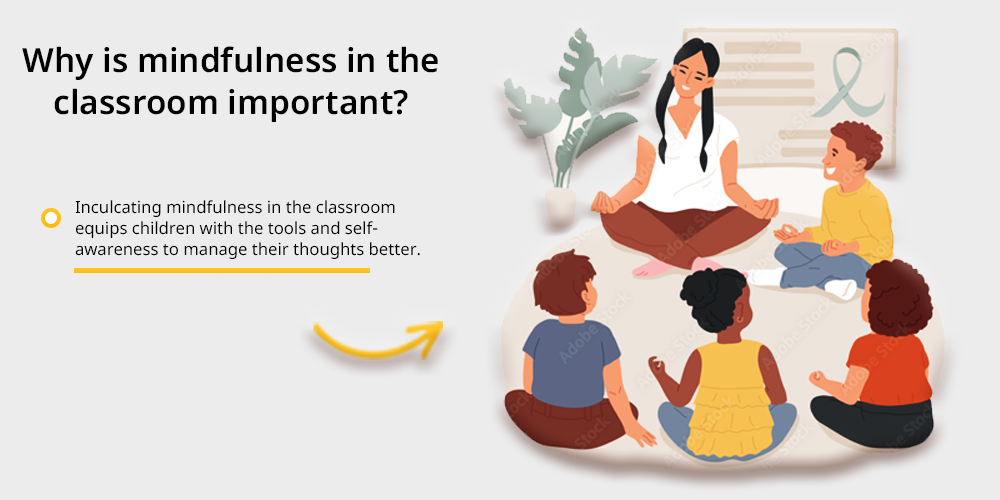
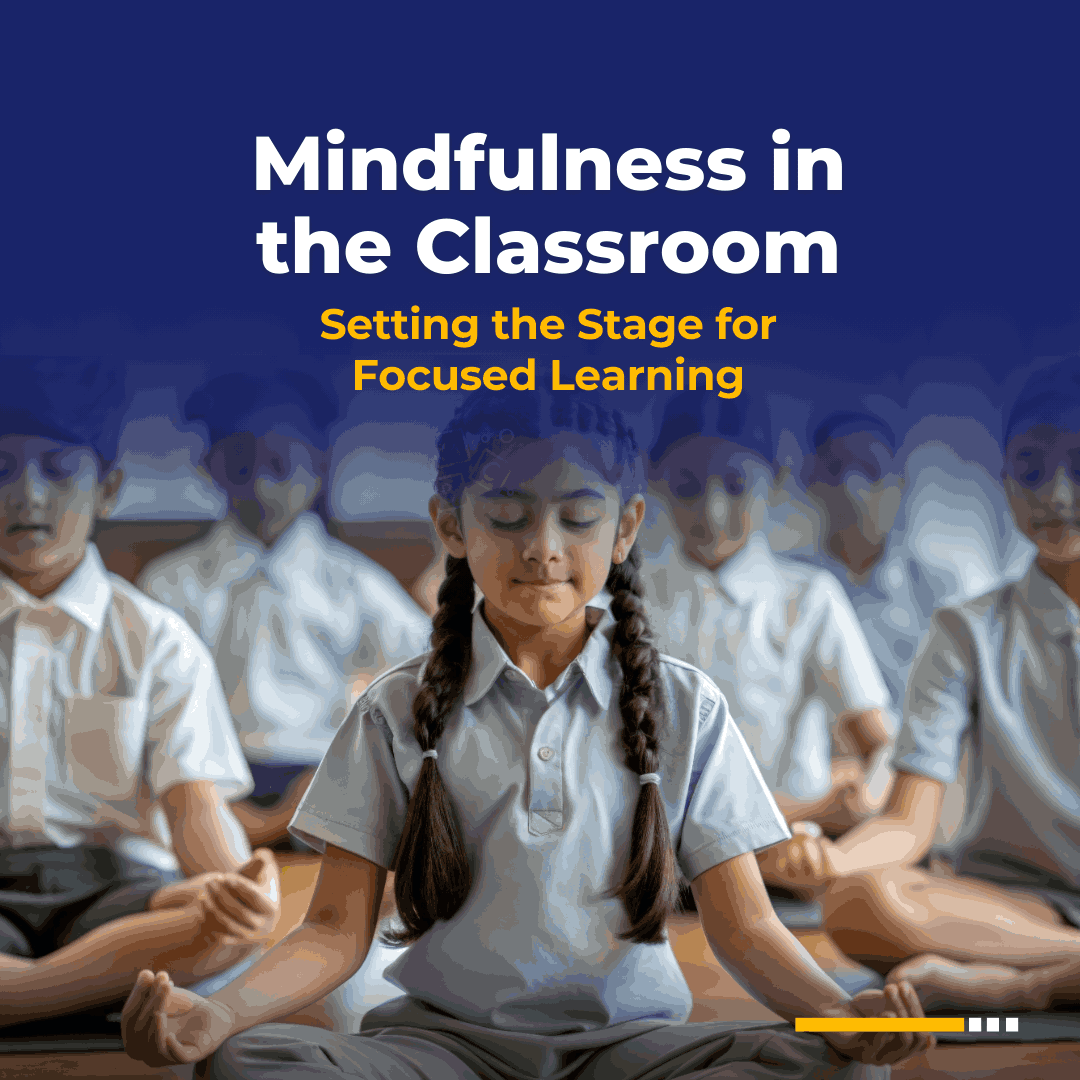
What precisely does it mean for a school to teach mindfulness, and how does this approach differ from traditional educational models? Schools that teach mindfulness are not simply adding a new subject to the curriculum; they are fundamentally reshaping the learning environment and student experience. This transformation involves integrating intentional practices that encourage present-moment awareness, non-judgmental observation, and self-compassion. Unlike conventional schools that primarily focus on cognitive development and academic achievement, these mindful institutions prioritize holistic growth, recognizing that emotional intelligence and mental well-being are just as critical for success. They often incorporate short meditation sessions, mindful breathing exercises before tests, or even walking meditations during physical education. The goal is to provide students with practical tools they can use to navigate daily stressors, from playground disagreements to exam anxiety, by teaching them to pause, observe, and respond thoughtfully rather than reacting impulsively. This foundational shift empowers children to better understand their inner world, fostering resilience and a calmer approach to challenges, thereby creating a more supportive and productive atmosphere where academic learning can truly flourish without the constant burden of anxiety.
The Why Behind Schools That Teach Mindfulness: Cultivating Resilience
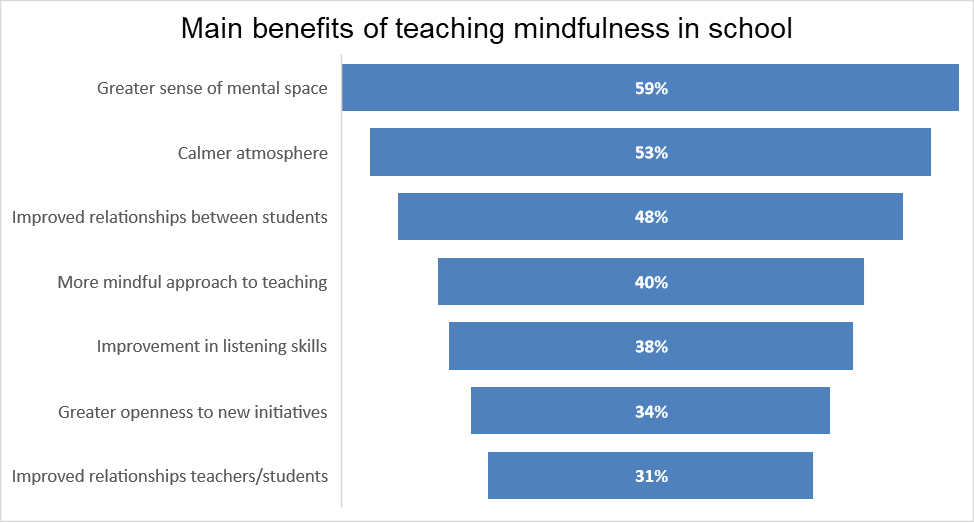
Why are so many educational leaders and parents now actively seeking out schools that teach mindfulness, and what compelling benefits drive this growing movement? The simple truth is that children today face unprecedented levels of stress, anxiety, and digital distractions, which can significantly impact their ability to learn and thrive. Traditional education, while strong in academic content, often lacks explicit instruction in managing these internal and external pressures. Mindfulness-based programs address this critical gap head-on, offering students practical techniques to build emotional resilience and mental fortitude. By regularly practicing mindfulness, children learn to recognize the early signs of stress, observe their thoughts without being consumed by them, and develop a sense of inner calm that serves as an anchor during turbulent times. This proactive approach helps reduce instances of behavioral issues, improve concentration in the classroom, and foster a more positive school culture where students feel understood and supported. The why is clear: we are empowering the next generation with essential life skills that extend far beyond test scores, enabling them to lead healthier, happier, and more focused lives, cultivating an internal compass that guides them toward well-being and purposeful action in a complex world.
How Schools That Teach Mindfulness Implement Their Programs
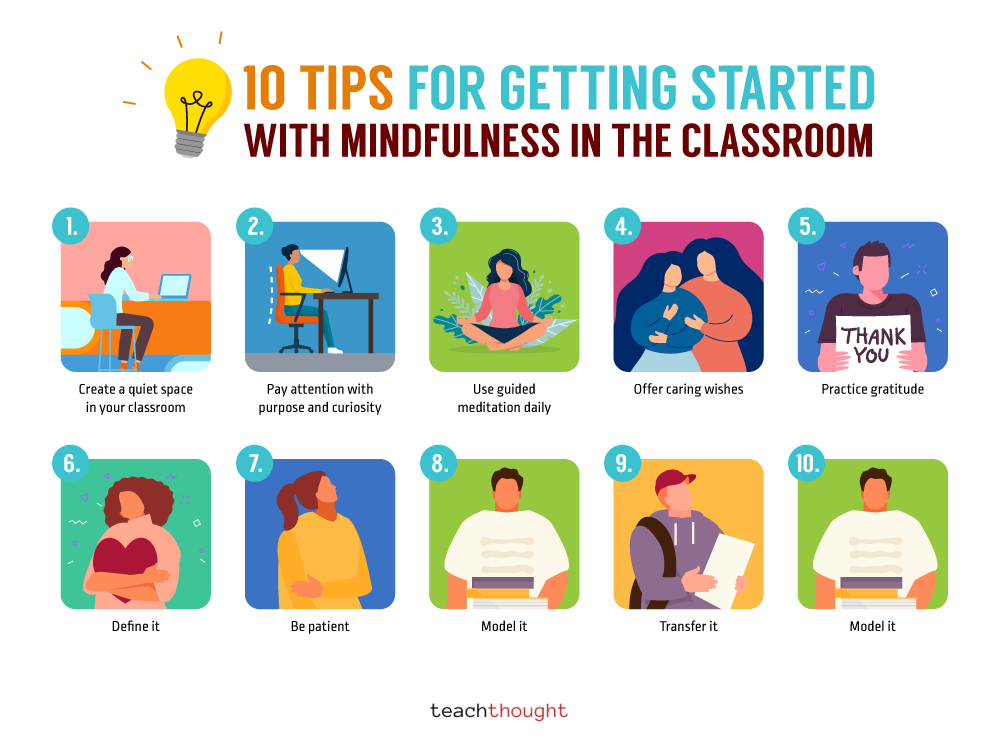
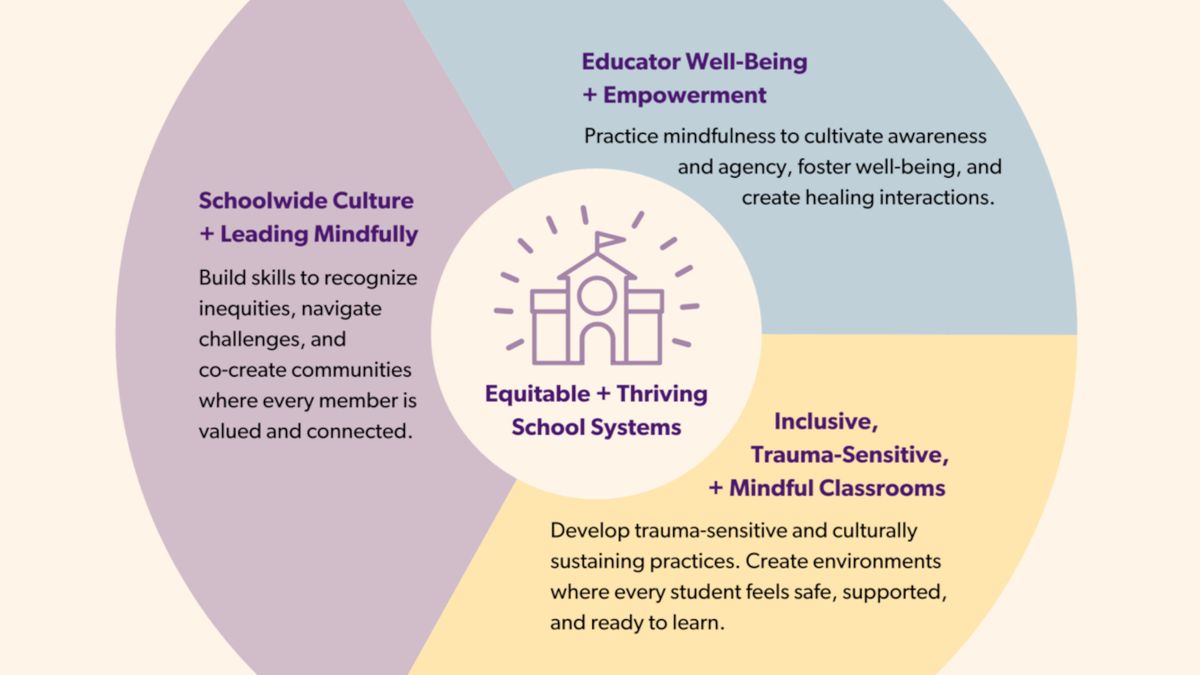
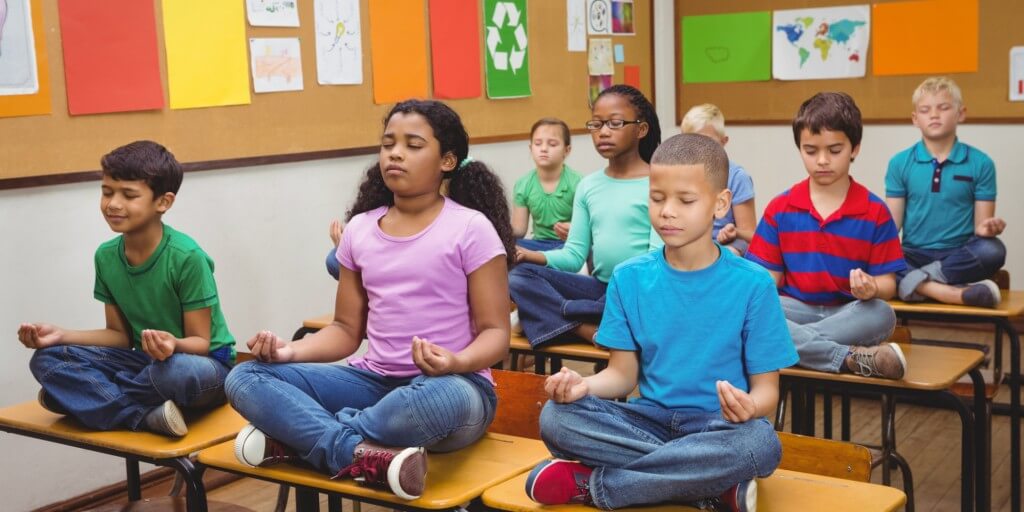
How do schools effectively integrate mindfulness into their daily operations and curriculum, ensuring that it becomes a natural and beneficial part of the student experience? The implementation strategies for schools that teach mindfulness vary widely, but they generally revolve around a few core principles. Some schools adopt a whole-school approach, where all staff, from teachers to administrators, receive training in mindfulness practices and integrate them into every aspect of the school day. This might involve starting the day with a few minutes of quiet breathing, incorporating mindful moments before transitions, or using mindfulness techniques to de-escalate conflicts. Other schools might offer dedicated mindfulness classes, similar to art or music, where students learn formal meditation techniques and explore concepts like kindness and compassion. The key is consistent, age-appropriate instruction that is woven seamlessly into the schools fabric rather than being treated as an add-on. Teachers often lead these sessions, having undergone specialized training, and they act as role models, demonstrating how mindfulness can be practiced in various situations. This integration helps students apply mindfulness not just during designated times, but throughout their academic and social interactions, making it a living, breathing part of their educational journey and personal development.
To provide a clearer picture of how schools that teach mindfulness operate, heres a brief overview of common program elements:
| Program Element | Description | Typical Implementation |
|---|---|---|
| Mindful Breathing Exercises | Simple techniques to focus attention on the breath, promoting calm and concentration. | Daily 1-5 minute sessions, before tests, during transitions. |
| Body Scan Meditations | Guiding students to notice sensations in different parts of their body. | Weekly sessions, especially in older grades, for self-awareness. |
| Mindful Movement (Yoga/Stretching) | Gentle physical activities combined with present-moment awareness. | Integrated into PE, brain breaks, or dedicated classes. |
| Emotional Regulation Skills | Teaching students to identify and constructively respond to their emotions. | Part of SEL curriculum, classroom discussions, conflict resolution. |
| Compassion and Kindness Practices | Exercises fostering empathy towards oneself and others. | Classroom activities, community service projects, daily interactions. |
| Mindful Listening and Communication | Encouraging attentive listening and thoughtful expression in interactions. | Integrated into group work, debates, and social skill development. |
Where to Find Schools That Teach Mindfulness: A Growing Movement
Where can parents and guardians find schools that teach mindfulness, and how widespread is this educational movement across the United States? The good news is that these innovative schools are no longer confined to niche alternative education settings; they are increasingly found within public, private, and charter school systems across the nation. From bustling metropolitan areas like New York City and Los Angeles, which often lead in educational innovation, to smaller suburban districts and even some rural communities, the integration of mindfulness is expanding rapidly. Many educational districts are recognizing the value of social-emotional learning (SEL) and are actively developing or adopting mindfulness-based curricula. To locate such schools, parents can start by researching local district initiatives, inquiring about SEL programs, or looking for specific terms like mindfulness education, contemplative pedagogy, or well-being curriculum on school websites. Educational advocacy groups and non-profit organizations dedicated to mindfulness in schools often maintain directories or resources that can help pinpoint institutions committed to this approach, making the search for a truly holistic and supportive learning environment more accessible than ever before for those who prioritize inner peace alongside academic achievement.
The Long-Term Impact of Schools That Teach Mindfulness on Student Development
What kind of long-term impact can we expect from students who attend schools that teach mindfulness, and why is this investment in their inner lives so profoundly important for their future? The benefits extend far beyond immediate academic improvements, shaping well-rounded individuals who are better equipped to navigate the complexities of adulthood. Children who consistently practice mindfulness develop stronger executive functions, including improved working memory, cognitive flexibility, and self-control, which are critical for higher-level thinking and problem-solving. Furthermore, they tend to exhibit greater emotional intelligence, demonstrating enhanced empathy, better relationship skills, and a reduced propensity for stress and anxiety in challenging situations. This foundation built in childhood can lead to more resilient young adults who approach lifes inevitable obstacles with a sense of calm and a positive outlook. They learn to make deliberate choices, understand their own reactions, and connect authentically with others, ultimately fostering a sense of purpose and overall well-being. Investing in mindfulness education is not just about enhancing school performance; its about nurturing human potential and cultivating compassionate, thoughtful citizens who can contribute positively to their communities and lead fulfilling lives, demonstrating why this pedagogical shift is so much more than a temporary trend.
Summary Question and Answer:
Q: What are schools that teach mindfulness?
A: Schools that teach mindfulness integrate practices like meditation, breathing exercises, and mindful movement into their daily routines and curriculum to foster mental well-being, emotional regulation, and focused attention in students.
Q: Why is mindfulness important in schools?
A: It helps students manage stress, improve focus, build emotional resilience, enhance empathy, and cultivate a deeper sense of self-awareness, preparing them for academic success and lifes challenges.
Keywords: mindfulness education, social emotional learning, student well-being, stress reduction schools, mindful learning, emotional intelligence, calm classrooms, contemplative education, child development, USA education trends.
Mindfulness in schools promotes student well-being, reduces stress, and enhances focus. Programs vary from simple meditation to integrated curriculum. Benefits include improved academic performance, emotional regulation, and empathy. Parents and educators are increasingly recognizing the value of these practices for holistic child development. Identifying schools that prioritize social-emotional learning is key.
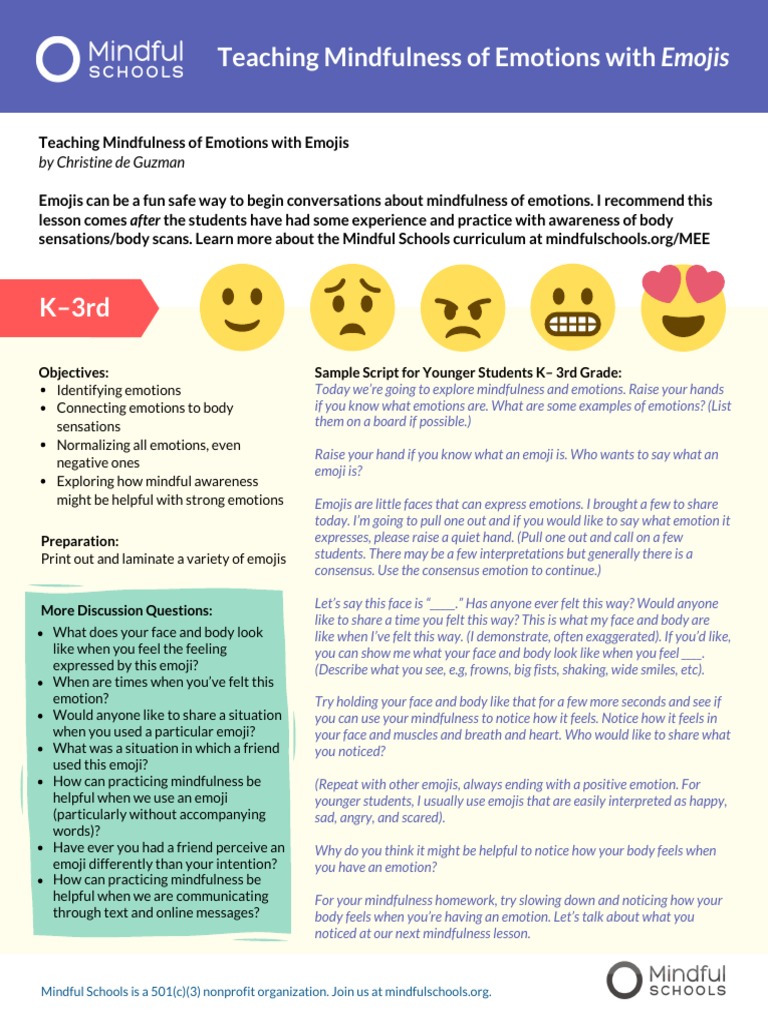
Mindful Schools Teaching Mindfulness Of Emotions With Emojis PDF 1696253628Teaching Mindfulness In Schools Boosting Emotional Resilience And Teaching Mindfulness In Schools UPDATED New Years 2026 Goal Setting And Mindfulness Worksheets 750f 7578176 3
Teaching Mindfulness Summit 2024 Free Ticket Register Now Teaching Mindfulness Summit 2024 Square 6 Easy Ways To Use Mindfulness In The Classroom Free Printable 6 Mindfulness Activities For Teachers Students Poster V2 724x1024 Mindfulness Teacher Training Online October 2026 Mindfulness Teachers 10 Tips For Teaching Mindfulness In School At Any Grade Level Tips For Teaching Mindfulness In School
What Is Mindful Schools And How Can It Be Used For Teaching Tech 1200 80 2026 Mindfulness Colouring Sheet Ca Ar 1763708643 2026 Mindfulness Colouring Sheet Ver 1 2026 Mindfulness Interactive Colouring Au Va 1763965092 2026 Mindfulness Interactive Colouring 1 Ver 2 FREE 9 Monthly Mindfulness Activity Calendars Sept 2025 May 2026 750f 8329798 1
2026 Mindfulness Colouring Sheet Au A 1763380600 2026 Mindfulness Colouring Sheet Ver 1 Back To School 2026 Coloring Sheets First Day Mindfulness SEL Coloring 750f 10961314 1 2026 Mindfulness Mental Health12 Simple And Easy Ways To Use Mindfulness At School 12 Ways To Use Mindfulness In Classrooms And At School By School Counseling 1024x1024
Mindful School Research On Children In Schools Research At Kent Mindfulness School What Is Mindfulness And How Can It Be Applied In The Classroom Why Is Mindfulness In The Classroom Important Back To School 2026 Coloring Sheets First Day Mindfulness SEL Coloring 750f 10961314 2 Should Schools Implement Mindfulness My Private Professor Why Students Should Practice Mindfulness 2
Teaching Mindfulness And Yoga In Schools Yogi Os Yoga For Youth MYIS Fall2023 Calendars May 2024 Mindfulness Calendar Mindfulness 8 Mindful Exercises Benefits Getting Started Mindfulness Practices Back To School 2026 Coloring Sheets First Day Mindfulness SEL Coloring 750f 10961314 3
Teaching Mindfulness Summit 2024 Free Ticket Register Now Teaching Mindfulness Summit Banner What Is Mindful Schools And How Can It Be Used For Teaching Tech 1200 80 Ways Teachers Manage Time With Students Artofit Deep Dive Mindfulness Education Could Be Doing More Harm Than Good 0413
How Can Mindfulness Keep Your Students Calm And Focused 11 VE Blog 18 Master The Teaching Learning Process Your Ultimate Guide 3 11zon The Power Of MiSP Supported Places Mindfulness In Schools Project Mindfulness Schools Benefits FREE 9 Monthly Mindfulness Activity Calendars Sept 2025 May 2026 750f 8329798 2 PDF Mindfulness In Schools Evidence On The Impacts Of School Based
Mindfulness In Schools Evidence On The Impacts Of School Based Mindfulness In Schools Evidence On The Impacts Of School Based Mindfulness Programs On Student Outcomes In P-12 Educational Settings The Whole Child Matters What It Means To Have Mindfulness In Schools Stock Image What It Means To Have Mindfulness In Schools