Navigating the complexities of modern life calls for smarter solutions, and that includes your insurance. Smarter insurance represents a revolutionary shift, moving beyond traditional one-size-fits-all policies to offer personalized, dynamic coverage. This trend is gaining significant momentum in the United States, promising individuals and families more tailored protection, enhanced risk management, and often, substantial cost savings. By leveraging cutting-edge technology like artificial intelligence, big data, and IoT devices, smarter insurance solutions are reshaping how we perceive and utilize protection. This article explores the core concepts, benefits, and practical applications of smarter insurance, guiding you through its evolution and showing you how to harness its power for a more secure and efficient financial future. Discover why this intelligent approach to coverage is becoming indispensable for those seeking optimized protection.
The Rise of Smarter Insurance Your Guide to Intelligent Protection
Who among us truly enjoys thinking about insurance? It often feels like a necessary evil, a static expense we hope we never need to use. But what if insurance could be different? What if it could be smart, dynamic, and genuinely work for you? Smarter insurance is here to redefine that perception, offering a modern approach where technology and data combine to give you more control, better protection, and potentially lower costs. This isn't just about paying a premium; it's about partnering with a system that understands and adapts to your real-time needs. Smarter insurance is transforming who gets what coverage, when it's needed, where it's most effective, why it's more beneficial, and how it delivers value. Let's delve into this exciting evolution and discover how it can empower your financial security.
What is Smarter Insurance How Technology Transforms Coverage
Smarter insurance represents a new era of risk protection, moving beyond static, historical data to embrace real-time information. It is about policies that adapt to your lifestyle and behavior, powered by advanced technologies. Imagine an insurance plan that rewards safe driving or protects your home based on actual usage and smart device data. This intelligent approach moves away from broad risk pools, offering you a policy truly tailored to your unique circumstances. It is for anyone seeking more control and transparency over their coverage, making it a compelling option for a wide audience.
Key Benefits of Smarter Insurance for a Secure Tomorrow
Embracing smarter insurance solutions brings a host of advantages designed to benefit you directly. These aren't just minor improvements; they are fundamental shifts in how insurance operates and serves its policyholders. Let's explore some of the most impactful benefits you can expect from this modern approach to protection.
Personalized Protection: Smarter insurance uses your actual behavior and data to craft a policy just for you. This means you get coverage that fits your life, not a generic plan. It’s about having a policy that truly understands your unique risks.
Cost Savings Opportunities: By assessing your real risks, smarter insurance can often lead to lower premiums. For example, safe drivers or homeowners with smart security systems may see significant discounts. You pay for the risk you actually represent.
Proactive Risk Management: Many smarter insurance policies offer tools or alerts to help you prevent incidents. Smart home sensors might warn you about a water leak, or telematics might suggest safer driving habits. It shifts from reactive payouts to proactive prevention.
Simplified Processes: From purchasing a policy to filing a claim, smarter insurance leverages technology to make everything smoother. Digital platforms and AI assistance can reduce paperwork and speed up resolutions, saving you time and hassle.
Technologies Driving Smarter Insurance Solutions
The innovation behind smarter insurance is deeply rooted in advanced technological integrations. These technologies collect, analyze, and interpret data in ways that were previously impossible, creating a more responsive and efficient insurance ecosystem. Understanding these components helps demystify how your smarter insurance policy actually works.
Artificial Intelligence (AI) and Machine Learning: AI algorithms analyze vast datasets to identify patterns and predict risks more accurately. This allows insurers to price policies more precisely and detect fraud efficiently. Machine learning helps systems continuously improve their predictive capabilities.
Internet of Things (IoT) Devices: Smart devices in homes (security cameras, water sensors) and cars (telematics) gather real-time data on usage and conditions. This information provides a clear picture of individual risk factors, enabling personalized coverage and proactive alerts.
Big Data Analytics: The ability to process and interpret massive amounts of data is crucial for smarter insurance. Big data analytics allows insurers to identify emerging trends, understand customer behavior, and offer highly customized product bundles.
Telematics: Specifically used in auto insurance, telematics devices track driving behavior like speed, braking, and mileage. This data directly influences premiums, rewarding careful drivers with lower costs and encouraging safer habits.
Smarter Insurance in Action Real World Examples
To truly grasp the power of smarter insurance, let's look at how it manifests in everyday life. These examples show how technology translates into tangible benefits and more effective coverage across different types of insurance.
Auto Insurance with Telematics: You install a small device in your car or use a mobile app that monitors your driving. If you drive safely, avoid harsh braking, and limit late-night trips, your premiums could decrease significantly. It's a direct reward for good habits.
Home Insurance with Smart Home Devices: Imagine your home insurance premium adjusting based on your smart smoke detectors, water leak sensors, or security cameras. These devices can alert you to potential issues before they become major claims, potentially lowering your risk profile and your costs.
Health Insurance with Wearables: Some health insurance plans integrate with fitness trackers to reward healthy lifestyles. Meeting activity goals or maintaining certain health metrics could lead to discounts on your premiums or other incentives.
Smarter Insurance Features at a Glance
| Feature | Description | Benefit to You |
| Personalized Premiums | Rates based on individual behavior and risk data | Fairer pricing, potential savings |
| Proactive Risk Alerts | Notifications from smart devices for potential issues | Prevents damages, reduces claims |
| Real-Time Data Usage | Continuous monitoring of relevant risk factors | Dynamic policies, adaptive coverage |
| Digital Claims Process | Simplified, app-based claim submission and tracking | Faster resolution, less hassle |
| Behavioral Incentives | Rewards for safe practices or healthy habits | Lower costs, encouragement for positive behavior |
What Others Are Asking About Smarter Insurance
Many people have questions about how smarter insurance works and what it means for them. Here are some common inquiries that help clarify this innovative approach to coverage.
What is the main difference between traditional and smarter insurance?
The primary distinction is data utilization. Traditional insurance relies heavily on aggregated historical data for large groups, while smarter insurance uses real-time individual data, often from connected devices, to personalize policies and pricing. This allows for dynamic adjustments and proactive risk management, creating a more tailored and responsive experience for policyholders.
How does smarter insurance help reduce my premiums?
Smarter insurance can reduce premiums by assessing your actual risk more precisely. For example, if you consistently demonstrate safe driving habits through telematics or maintain a well-protected home with smart devices, insurers view you as lower risk. This allows them to offer you more favorable rates, directly rewarding your efforts to mitigate potential claims.
Is my data secure with smarter insurance policies?
Insurance companies offering smarter policies prioritize data security with robust encryption and privacy protocols. They adhere to strict regulations regarding data collection, storage, and usage. You typically have control over what data is shared, and the aim is to use it solely for accurate risk assessment and personalized policy benefits, ensuring your information remains protected.
Can smarter insurance adapt as my lifestyle changes?
Yes, adaptability is a key feature of smarter insurance. As your driving habits evolve, you install new smart home devices, or your health metrics change, your policy can be re-evaluated and adjusted accordingly. This dynamic nature means your coverage remains relevant and optimized for your current circumstances, providing continuous, tailored protection.
What types of insurance currently offer smart options?
Smarter insurance options are increasingly available across various categories. Auto insurance commonly uses telematics, while home insurance integrates with smart home devices for theft, fire, and water damage prevention. Some health and even commercial policies are also leveraging data from wearables and IoT sensors to provide more personalized and proactive coverage solutions.
Are there any downsides to choosing smarter insurance?
While beneficial, potential downsides include privacy concerns about data sharing and the need for consumers to actively engage with technology, such as installing devices. Additionally, for individuals whose data indicates higher risk behaviors, premiums might not decrease, or could even increase. It is essential to weigh these factors against the personalized benefits and potential savings.
FAQ About Smarter Insurance
Who benefits most from smarter insurance?
Individuals who are proactive about risk management, use smart technology, and want personalized premiums benefit most. Safe drivers, health-conscious people, and homeowners with smart security often see the greatest advantages.
What exactly is meant by 'smarter insurance'?
Smarter insurance uses real-time data from sources like telematics or smart home devices to create personalized, dynamic policies. It focuses on individual behavior and risk, offering tailored coverage and potential cost savings.
Why is smarter insurance becoming so popular?
It's gaining popularity because it offers personalization, fairness in pricing, and the opportunity for policyholders to actively influence their premiums. People appreciate feeling more in control and paying for their actual risk.
How can I get started with smarter insurance?
Start by researching providers that offer smart options for auto, home, or health insurance. Compare policies, understand data sharing terms, and see what technologies they integrate. Many insurers now provide apps or devices to help you begin.
How to Choose Your Smarter Insurance Policy
Choosing the right smarter insurance policy might seem daunting, but it doesn't have to be. It's about finding a provider that aligns with your lifestyle, respects your privacy, and offers transparent benefits. Begin by evaluating your needs and comfort level with data sharing. Do you already use smart home devices? Are you willing to install a telematics device in your car? Understanding these personal preferences will narrow down your choices. Next, compare different insurers' offerings, looking for clear explanations of how data is used to calculate premiums and what specific benefits you can expect. Pay close attention to privacy policies and customer reviews regarding data security. Don't hesitate to ask questions about how your data influences your rates and what actions you can take to optimize your savings. Your ideal smarter insurance is out there, waiting to give you a truly personalized and empowering protection experience.
Summary of Key Points About Smarter Insurance
Smarter insurance is revolutionizing the industry by leveraging technology and data to offer personalized, dynamic, and often more affordable coverage. It moves beyond traditional models, using real-time information from sources like AI, IoT, and telematics to assess individual risks more accurately. This leads to tailored policies, potential cost savings for policyholders who demonstrate lower risk behaviors, and proactive risk management tools. While data privacy is a consideration, providers are committed to secure data handling. Ultimately, smarter insurance empowers you with greater control, transparency, and effective protection in an ever-changing world, making it a compelling choice for a secure future.
Personalized insurance policies based on real-time data. Potential for significant cost savings through optimized premiums. Proactive risk management and prevention with smart technology. Streamlined claims processes and improved customer experience. Enhanced transparency and control over your coverage.
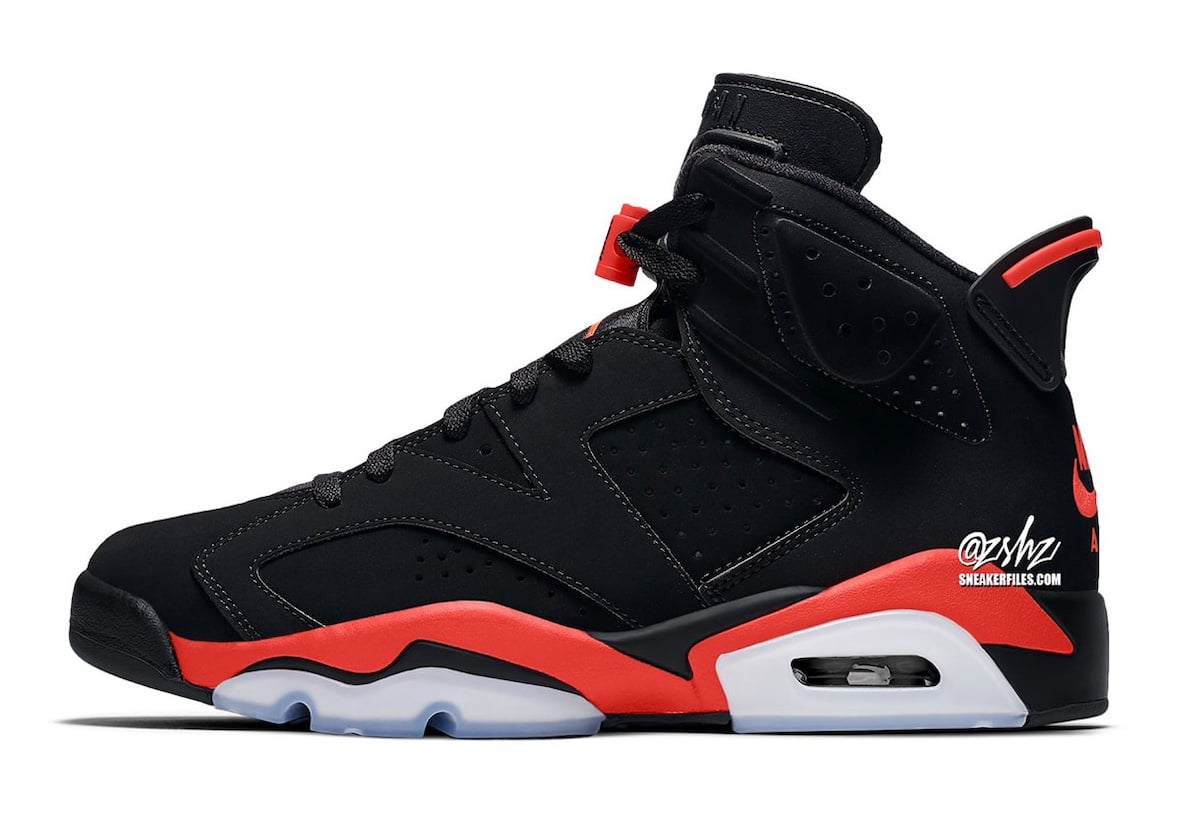
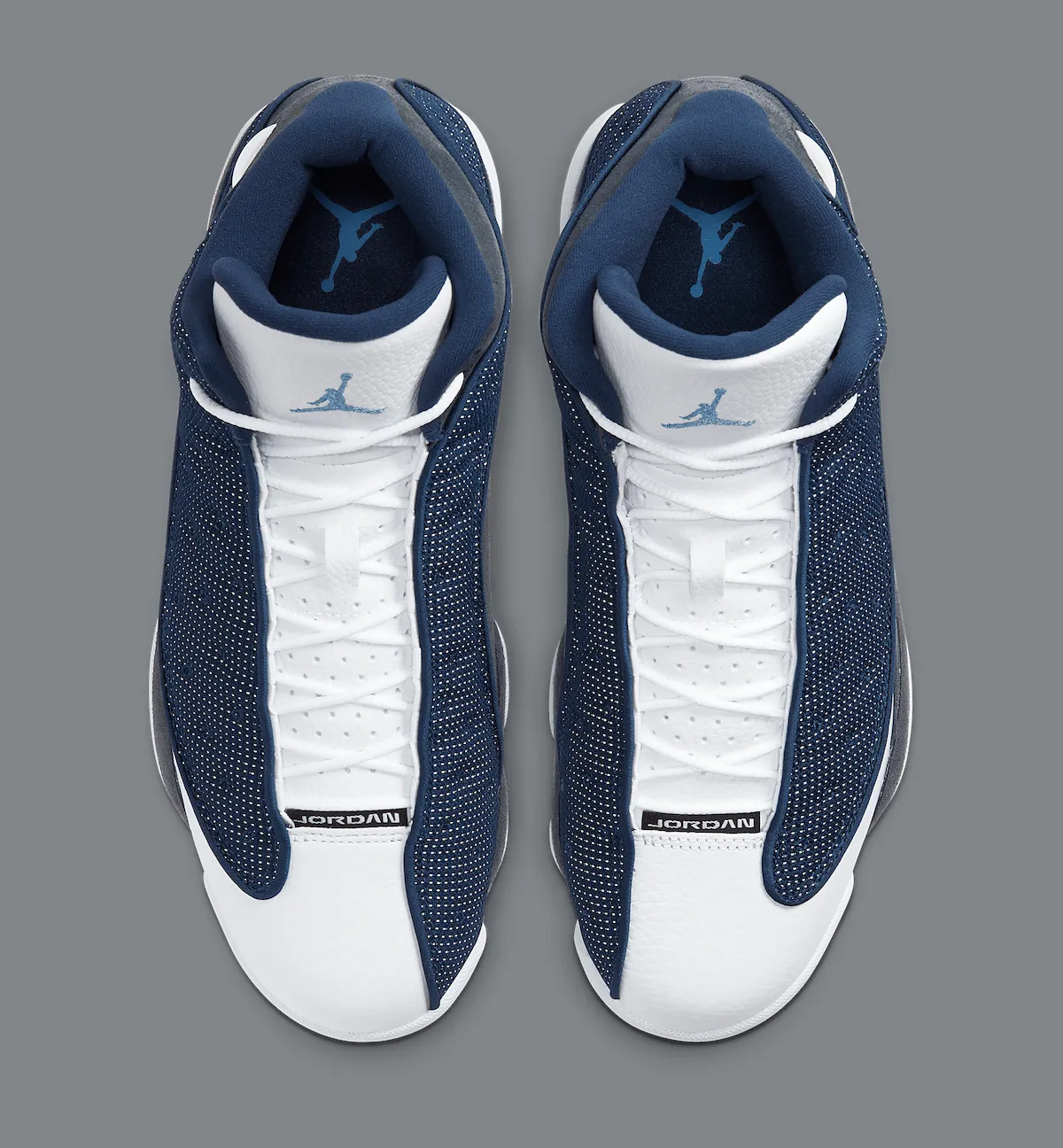
Jordan Release Dates 2026 Spring SneakerNews Com Air Jordan 6 Low Blackout IO9786 001 2026 Air Jordan 5 Wolf Grey 2026 DD0587 002 Teyana Taylor Air Jordan 3 2026 Air Jordan 13 Flint 2026 Official Release Details Air Jordan 13 Flint 2026 414571 404 Release Info 2.webp
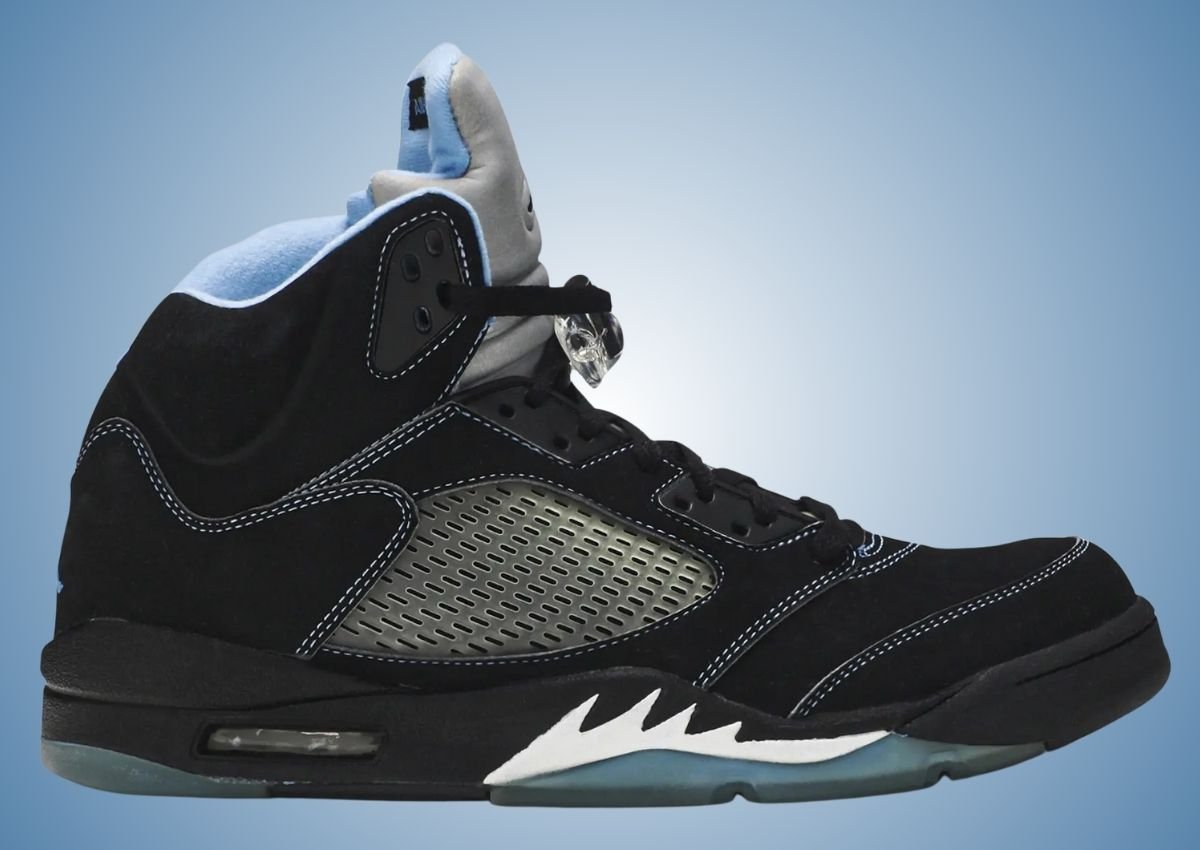
Jordan Release Dates 2026 Spring SneakerNews Com Air Jordan 9 Flint Grey 2026 HV4794 100 Peter Jordan No Lucro CNN YouTube Air Jordan 5 White Metallic 2026 HQ7978 103 Air Jordan 5 Black University Blue 2026 DD0587 008 Air Jordan 6 Reverse Infrared 2026 Release Date Air Jordan 6 Reverse Infrared 2026 Original Sample 1
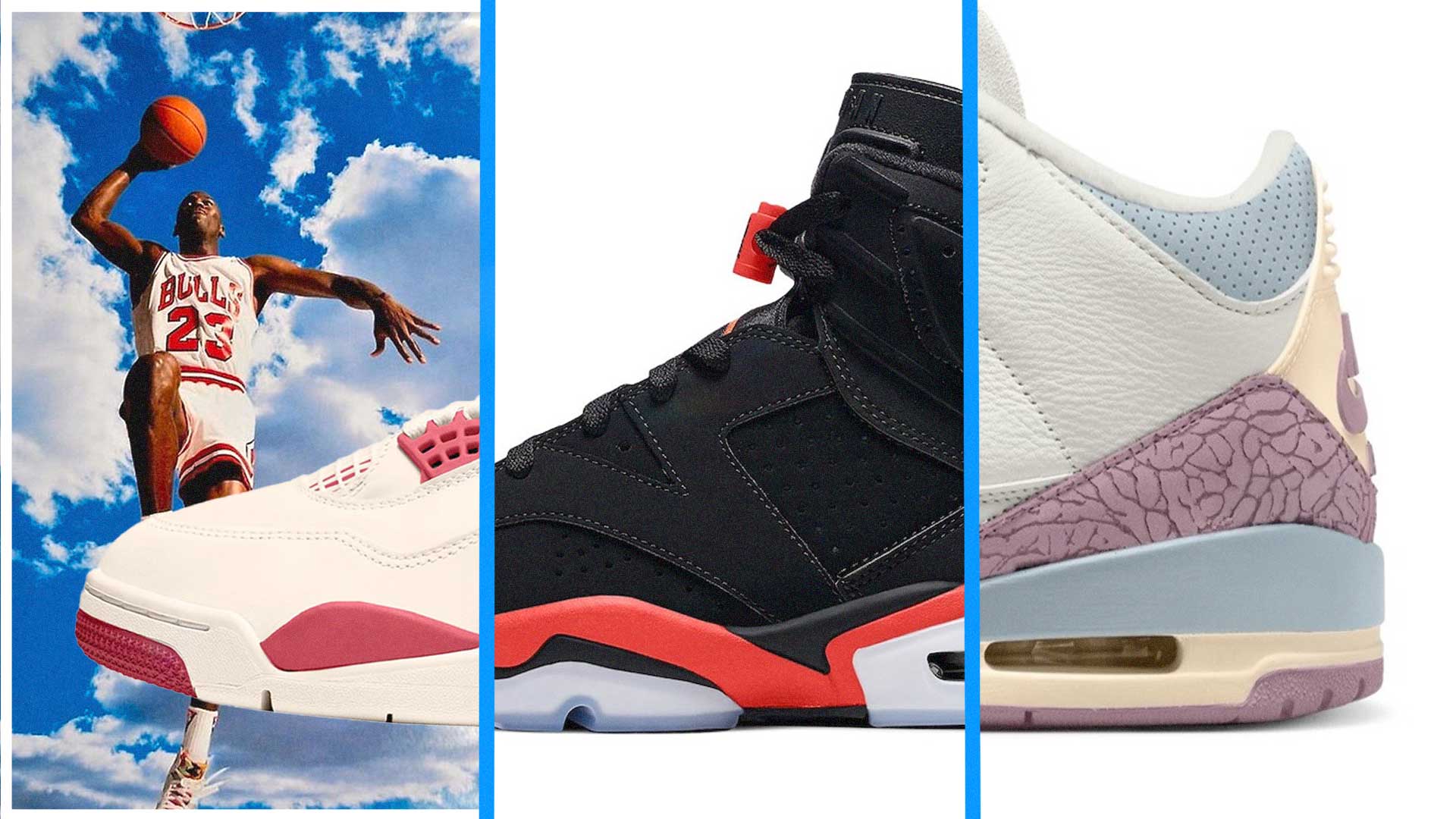
Air Jordan 3 True Blue 2026 Release Date Air Jordan 3 True Blue 2026 4.webpAir Jordan 3 Laser 2026 Release Date Air Jordan 3 Laser 2026Jordan Release Dates 2026 Spring SneakerNews Com Jordan Retro Spring 2026 Release Dates The Air Jordan Spring 2026 Release Lineup Promises To Deliver Sneaker Air Jordan 6 Reverse Infrared 2026
Jordan Release Dates 2026 Spring SneakerNews Com Air Jordan 3 Spring Is In The Air IF4396 100 2026 The Air Jordan Spring 2026 Release Lineup Promises To Deliver Sneaker Air Jordan 4 Flight Club 2026 IM4002 100 Air Jordan 4 Bred 2026 FV5029 001 Air Jordan 4 Toro Bravo 2026 FQ8138 600 Top Air Jordan Sneaker Releases For 2026 Air Jordan 6 BIN 23 2026 1 1068x757
Air Jordan 40 Colorways Release Dates Air Jordan 4 Comic 2026 IO2362 100 Jordan 2026 World Cup Tickets And Complete Match ScheduleQuantos Anos Tem Peter Jordan Idade Em Dezembro 2025 Peter Jordan Ei Nerd Idade Air Jordan 11 Space Jam 2026 Air Jordan 11 Low Mothers Day 2026
The Top 10 Best Air Jordan Sneakers Releasing In 2026 Air Jordan 2026 Releases Peter Jordan Contratar Para Eventos E Sociais Peter Jordan 2026 Is Loaded With Fire 35 Air Jordans Already Announced Air Jordan Releases 2026 1536x864 Air Jordan 3 OG True Blue 2026 IF4396 102 Air Jordan 3 Laser 2026 IO2365 001
Quantos Anos Tem Peter Jordan Idade Em Dezembro 2025 Peter Jordan Idade 768x549 Jordan Release Dates 2026 Spring SneakerNews Com Air Jordan 4 Sierra Red 2026 HV0823 108 Air Jordan Retro Spring 2026 Release Dates Air Jordan Retro Spring 2026 Preview ACONTECE Peter Jordan Confirma Presen A No Imagineland On The Road 1000630741
Top Air Jordan Sneaker Releases For 2026 2026 1 1920x1290 Top Air Jordan Sneaker Releases For 2026 1536x1132 Air Jordan 11 Space Jam 2026 J Balvin Air Jordan 4 Multi Color IW2872 700 2026 Air Jordan 6 OG Infrared 2026 Air Jordan 6 OG Infrared 2026 Release Info
The Air Jordan Spring 2026 Release Lineup Promises To Deliver Sneaker Air Jordan Spring 2026 Release Lineup Six Months Of The Texas Business Court Looking Back As Court Of Air Jordan 11 Space Jam 2026 Air Jordan 11 Space Jam 2026 1024x725 A Ma Maniere X Air Jordan 6 2025 Air Jordan 5 White Metallic 2026 Nike Air HQ7978 103