Are you wondering if your feathered companion truly enjoys a gentle stroke, or if those purring sounds are actually a sign of discomfort? In the ever-evolving world of pet care, understanding avian preferences is crucial for a happy, healthy relationship. This comprehensive 2026 guide delves deep into the fascinating question: do birds like being pet? We explore species-specific nuances, clear signs of enjoyment versus stress, and the best practices for safe, respectful interaction. Learn to interpret subtle body language, discover prime petting zones, and avoid common mistakes that could inadvertently upset your bird. This isn't just about petting; it's about fostering a deeper bond and ensuring your bird's well-being. From parrots to finches, uncover the secrets to a truly harmonious companionship, making every interaction positive and enriching for both of you. Stay informed with up-to-date insights and actionable tips for bird owners everywhere, enhancing your feathered friend's quality of life significantly. You'll gain invaluable knowledge on how to approach, interact with, and genuinely connect with your beloved avian companion in ways that promote trust and affection. This guide provides clarity on a frequently asked topic, helping you become a more confident and effective bird parent.
Have you ever found yourself gazing at your beloved bird, wondering, "Do birds like being pet?" It’s a question many bird owners ponder, hoping for a definitive yes. Building a strong bond with your feathered friend often involves physical interaction, but understanding their preferences is absolutely key. This comprehensive 2026 guide will unveil the fascinating truth behind avian affection and how they truly perceive our attempts at petting. We will explore everything from clear signs of enjoyment to the crucial areas you should or shouldn't touch.
Connecting with our avian companions brings immense joy and deep satisfaction. You will gain invaluable insights into reading their subtle cues and fostering a relationship based on mutual trust. This guide promises to transform your understanding, ensuring every interaction is positive and meaningful for both you and your bird. Get ready to unlock the secrets to a truly harmonious bond, making your home a happier place for everyone involved.
Understanding Avian Affection What Does Petting Mean to Birds?
Unlike dogs or cats, birds do not naturally seek petting in the same way. Their wild ancestors did not have humans to preen them. Instead, birds engage in allopreening with trusted flock members. This social grooming strengthens bonds within their avian communities. Understanding this natural context helps us adjust our approach with pet birds. It means our human touch is interpreted differently by them.
Therefore, the question "do birds like being pet" isn't a simple yes or no. It depends greatly on the individual bird's personality and past experiences. Some birds adore a gentle scratch, while others prefer no physical contact at all. Their unique background shapes their willingness to accept human affection. Always remember each bird is an individual with distinct preferences.
The Nuances of Bird Body Language
Reading your bird's body language is your superpower for successful interaction. Subtle cues tell you everything about their comfort levels. A relaxed posture, soft vocalizations, and gentle leaning into your touch are positive signs. Conversely, a stiff body, flared feathers, or hissing indicates clear discomfort. Pay close attention to these signals for respectful engagement.
Observe their eyes and beak as well; a soft, partially closed eye often shows contentment. Rapid eye pinning or a tense beak suggests apprehension. Learning these nuances prevents stressful encounters. You can then adjust your petting approach to suit their current mood. Becoming an expert in their nonverbal communication truly makes a difference.
Where Do Birds Like Being Pet Safely?
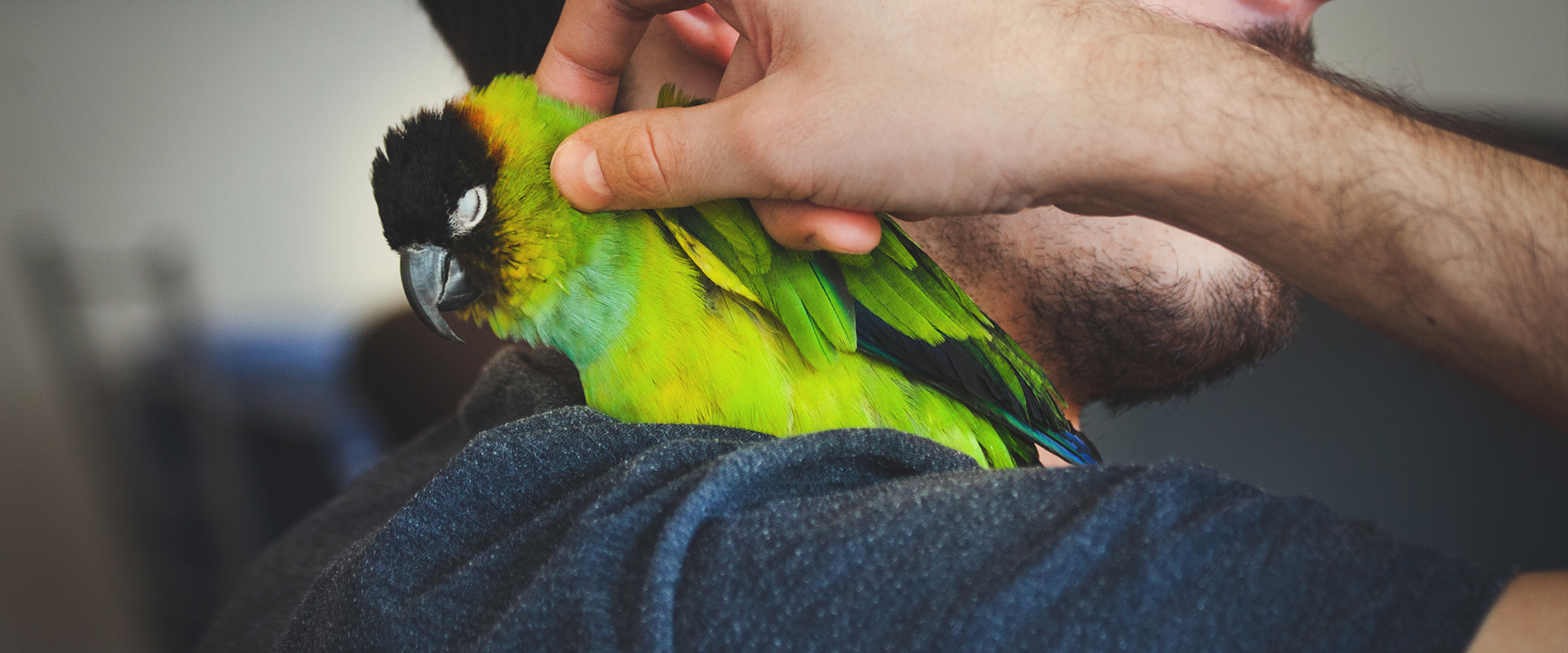
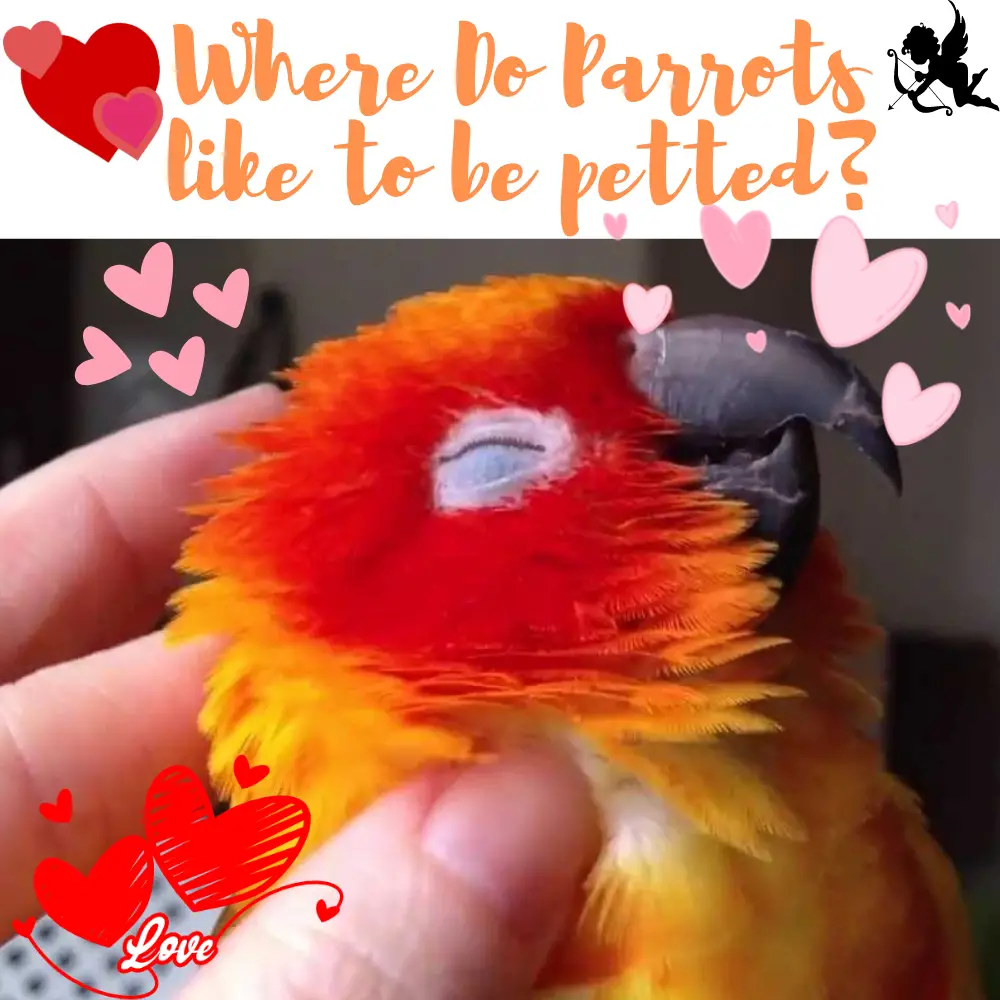
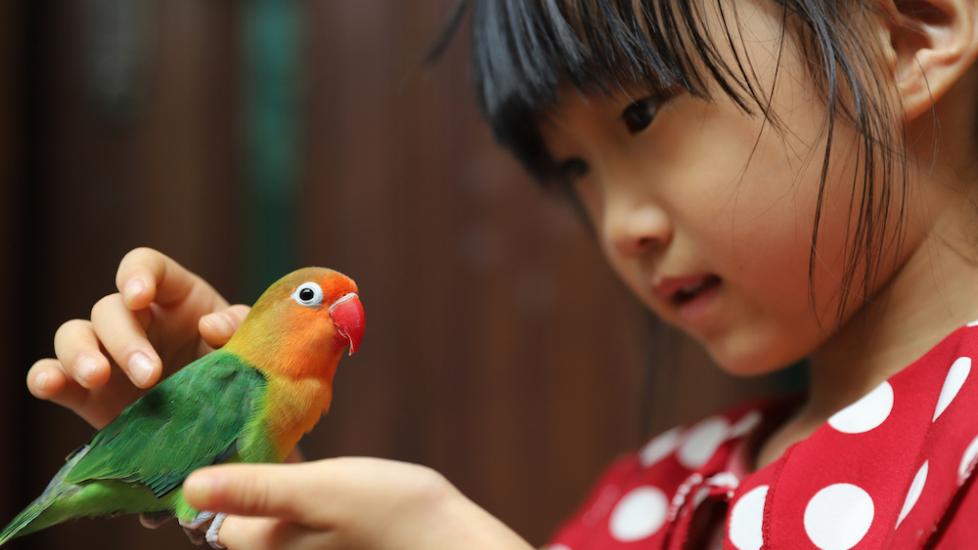
When birds engage in allopreening, they focus on areas they cannot reach themselves. Think about the top of their head, around the ears, and the back of their neck. These are often the safest and most appreciated petting zones for your bird. It mimics natural social grooming behaviors perfectly. Targeting these areas helps build a strong, trusting relationship.
However, avoid petting your bird's back, wings, under their tail, or belly. These areas are typically reserved for a mate during courtship. Touching these sensitive spots can stimulate hormonal responses, leading to aggressive or over-bonded behaviors. Preventing these hormonal triggers is crucial for their well-being. Always prioritize their health and natural instincts.
Signs Your Bird Enjoys Being Pet
- Leaning into your finger or hand, seeking more contact.
- Closing their eyes slightly, often with a relaxed expression.
- Softly grinding their beak, a sign of contentment and comfort.
- Fluffing their head or neck feathers, inviting a deeper scratch.
- Making soft, happy chirps or purring sounds during interaction.
- Stretching their neck or moving their head to guide your touch.
- Returning to you after you pause petting, requesting more attention.
Signs Your Bird Dislikes Being Pet
- Stiffening their body or pulling away from your hand.
- Hissing, biting, or lunging at your fingers with aggression.
- Flattening feathers tightly against their body, indicating fear.
- Rapid eye pinning, a sign of agitation or heightened awareness.
- Attempting to fly away or escape your presence immediately.
- Growling or making distressed vocalizations to warn you off.
- Displaying an open beak, ready to defend themselves from your touch.
Building Trust and Fostering a Bond with Your Avian Friend
Trust is the foundation of any successful relationship with your bird. Start by offering gentle, non-threatening interactions. Hand-feeding treats or simply sitting quietly near their cage builds positive associations. Allow your bird to initiate contact and always respect their boundaries. Patience is key when cultivating a strong connection.
Consider clicker training as a wonderful tool for positive reinforcement. It helps your bird understand desired behaviors without force. Short, frequent sessions are more effective than long, infrequent ones. Remember, consistent positive experiences build lasting trust. This approach ensures your bird feels safe and secure in your presence.
Common Petting Mistakes and How to Avoid Them
One common error is forcing interaction when your bird isn't receptive. This can quickly erode trust and create fear. Always offer your hand and allow them to approach you. Another mistake is petting hormonal zones, as discussed earlier. This leads to behavioral issues like aggression or chronic egg laying. Education prevents these potential problems.
Ignoring subtle warning signs from your bird is also detrimental. Their body language speaks volumes; we just need to listen. Over-handling can also be stressful, so keep interactions brief and positive. Respecting their autonomy strengthens your bond immeasurably. Always prioritize their comfort over your desire to pet them.
What Others Are Asking? Your Top Questions About Bird Petting Answered
We've gathered the most frequently asked questions about "do birds like being pet" from across the web. Here's what bird owners are curious about, answered concisely for you.
Do all pet birds enjoy being petted?
No, not all pet birds enjoy being petted, and their preferences vary greatly by species and individual personality. Some birds, especially parrots, might tolerate or even enjoy head scratches, while others prefer no physical contact at all. Always observe your bird's body language carefully to understand their unique comfort levels and respect their boundaries for a positive interaction.
Is it okay to pet a bird on its back?
Generally, it is not recommended to pet a bird on its back, wings, or under its tail. These areas are considered erogenous zones and petting them can inadvertently stimulate hormonal behaviors. This can lead to unwanted aggression, sexual frustration, or chronic egg laying in female birds. Focus on petting the head and neck instead for safer interaction.
How can I tell if my bird likes being petted?
Your bird will communicate its enjoyment through various positive body language cues. Look for signs like leaning into your touch, closing their eyes in contentment, gently fluffing their head feathers, or making soft, happy chirps or purring sounds. If they show these signs, you're doing great, and your bird appreciates the interaction.
What if my bird bites me when I try to pet it?
If your bird bites when you attempt to pet it, this is a clear sign they are uncomfortable or do not want to be touched. Respect this boundary immediately by withdrawing your hand calmly and slowly. Do not punish the bird, as this can worsen fear and aggression. Re-evaluate your approach, focusing on building trust and understanding their body language better before trying again.
Can petting a bird make it hormonal?
Yes, petting a bird in certain areas, particularly their back, under their wings, or near their vent, can definitely make them hormonal. These areas are typically associated with breeding and courtship. Such stimulation can lead to undesirable behaviors like aggression, excessive squawking, regurgitation, or chronic egg-laying issues in female birds, impacting their overall health and well-being significantly.
At what age can you start petting a baby bird?
You can begin gently interacting with a baby bird from a very young age, especially if hand-feeding. However, "petting" as we understand it, should be introduced slowly and cautiously. Focus on gentle contact for feeding and comfort. Always prioritize the bird's comfort and developmental stage. As they mature, observe their reactions to determine their individual tolerance for touch.
Do birds like being pet? Ultimately, the answer lies in understanding your specific bird. Every feathered individual possesses unique preferences and personalities. By observing their body language, respecting their boundaries, and focusing on safe, trust-building interactions, you can ensure a positive relationship. Remember, fostering a bond goes far beyond just physical touch. It involves patience, empathy, and consistent positive reinforcement. We hope this 2026 guide empowers you to connect more deeply with your amazing avian companion.
Key Takeaways for Avian Petting:
- Observe your bird’s unique body language for comfort signals.
- Petting is best limited to the head and neck, avoiding hormonal zones.
- Build trust through positive reinforcement, not force.
- Understand that individual birds have diverse preferences for touch.
- Avoid common mistakes like ignoring cues or over-handling.
- Early, positive interactions foster a strong, lasting bond.
Key Highlights for Avian Interaction: Tip One Always observe your bird's unique body language for clear signs of comfort or discomfort during interaction. Tip Two Focus petting to the head and neck areas, as other zones can trigger unwanted hormonal responses. Tip Three Build trust gradually through consistent positive reinforcement and gentle approaches. Tip Four Recognize that not all birds enjoy physical petting; some prefer vocal interaction or shared presence. Tip Five Never force interaction; always allow your bird the choice to engage or disengage freely. Tip Six Understand species-specific behaviors; what's fine for a parrot might not be for a finch. Tip Seven Regular positive interactions strengthen your bond and improve avian well-being. These guidelines ensure a respectful and rewarding relationship with your feathered friend in 2026 and beyond.
Tickled Feathers Why Do Some Budgies Like Being Petted The Worlds Why Doesnt My Budgie Like To Be A Pet American EMERGENCY ACTION ALERT RHODE ISLAND OPPOSE HB 7334 MediaDo Birds Like Being Pets Explained Do Birds Like Being Pet.webp
Is It Ok To Pet Budgies Where Do Budgies Like To Be Petted When To Is It Ok To Pet Budgies Where Do Budgies Like To Be Petted When To Pet When Not To 1688139017 Why Do Animals Like Being Petted A Z Animals Bird Being Petted Header 150x64 Top Friendly Pet Birds In 2026 Close To Nature Image 1 Top Friendly Pet Birds 1024x576 Why Do Animals Like Being Pet 4 Scientific Reasons V4 460px Why Do Animals Like Being Pet Step 10
Top Friendly Pet Birds In 2026 Close To Nature Image 4 Lovebird Top Friendly Pet Birds In 2026 Close To Nature Image 5 Conure Where Do Parrots Like To Be Petted Do Parrots Like To Be Petted 7 Best Pet Bird Species PetMD Pet.bird .best
Do Parrots Make Good Pets At Delbert Sanders Blog Birds Make Good Pets 7 Reasons To Have Birds As Pets Com 3bab2153 6aaf 4fe5 A406 Pet Birds 3 7 Reasons To Have Birds As Pets Com C8b4873e B4d9 46f6 90b5 Pet Birds 1 Do Birds Like Being Petted DIY Seattle Do Birds Like Being Petted
Do Birds Like Being Pet Jackson Vet Image 83795 800 Do Birds Like Their Wings Being Pet DIY Seattle Do Birds Like Their Wings Being Pet 7 Reasons To Have Birds As Pets Com A8b67327 0c50 4de5 Be47 Birds As Pets 3 Avian Affection Do Birds Like Being Pet Do Birds Like Being Pet
20 Pet Birds That Like To Be Handled PetsRadar 1024 80 How To Train Your Bird To Allow Petting GettyImages 494789683 Do Parrots Like Being Pet At Will Mcguirk Blog Cheapest Talking Bird Where Do Chickens Like To Be Petted Clever Pet Owners Where Do Chickens Like To Be Petted Alex
Do Lionhead Rabbits Like To Be Held A Close Up Shot Of A Person Gently Holding A Lionhead Rabbit In Their Hands Showcasing Safe Do Chickens Like To Be Petted What About Being Held Do Chickens Like To Be Petted What About Being Held 300x169 Do Birds Like Being Pet Midway Veterinary Hospital In Somerset Image 75632 800 Do Chickens Like To Be Petted BackYard Chickens Learn How To Raise 3472820
Do Birds Like Being Pet Expert Insights On Bird Behavior Do Birds Like Being Pet Expert Insights On Bird Behavior Top Friendly Pet Birds In 2026 Close To Nature Image 3 Cockatiel Do Birds Like Being Pet Kingman Vets Image 76037 340 Do Budgies Like To Be Held Grabbed Touched Cuddled Petted Do Budgies Like To Be Held Grabbed Touched Cuddled Petted 1689252534
Tickled Feathers Why Do Some Budgies Like Being Petted The Worlds Why Do Some Budgies Like Being Petted Do Parrots Like Being Pet At Will Mcguirk Blog Where Do Parrots Like To Be Petted Do Birds Like Being Pet Westfield Vet Image 55068 800






:max_bytes(150000):strip_icc()/GettyImages-494789683-5830bb3f3df78c6f6ab34cec.jpg)