Choosing the best gaming CPU right now for 2026 involves navigating a complex landscape of advanced processors. This comprehensive guide helps you understand the critical factors influencing performance, from core counts to clock speeds. We delve into the latest offerings from Intel and AMD, highlighting their strengths in various gaming scenarios. Whether you prioritize high frame rates in competitive shooters or seamless multitasking in demanding RPGs, finding the perfect central processing unit is essential. Our expert analysis considers future-proofing your build and budget constraints for an optimal gaming experience. Discover how driver updates and system optimization truly maximize your CPU's potential. Learn about integrated graphics performance and its relevance for casual gaming or streaming setups too. Make an informed decision to elevate your gameplay. Get ready to experience unparalleled gaming power with the right processor. This guide provides invaluable insights for every gamer.
Are you wondering, what is the best gaming CPU right now for 2026, especially with so many new releases hitting the market? It is a question many gamers grapple with when building or upgrading their beloved PC rigs. Picking the right central processing unit truly impacts your overall gaming experience significantly. A powerful CPU ensures smooth gameplay, minimal lag, and higher frames per second even in the most demanding titles. We will explore the latest advancements that shape today's ultimate gaming processors, making sure your system performs at its very best.
Understanding processor features like core count, clock speed, and cache size is absolutely essential for informed decisions. These specifications directly influence how well your computer handles complex game environments and intense multi-tasking during gameplay. Optimizing your settings and keeping drivers updated are also vital components of maximizing your gaming performance. We are here to guide you through the intricate world of 2026 gaming CPUs, making the technical jargon understandable for everyone. Let's dive into what makes a processor truly shine in the current gaming landscape.
The Core of Your Gaming Experience: What Matters Most
Choosing the best gaming processor involves balancing several crucial factors beyond just raw power. You need to consider how a CPU interacts with your graphics card and memory for peak system harmony. Specific game genres like FPS (First-Person Shooter) or MOBA (Multiplayer Online Battle Arena) might favor different processor characteristics. An efficient CPU helps prevent frustrating FPS drop issues and annoying stuttering during critical moments. This synergy is key for both competitive pro players and casual gamers seeking immersive experiences. Remember, a balanced system always outperforms one with a single overpowered component.
Intel vs AMD: The Ongoing 2026 Battle for Gaming Dominance
The rivalry between Intel and AMD continues to drive innovation in the gaming CPU market fiercely. Both companies offer compelling options with unique architectures and performance profiles. Intel's latest Core Ultra series, like Nova Lake, brings substantial IPC improvements and advanced integrated NPUs, which are gaining relevance. Meanwhile, AMD's Ryzen 8000 and 9000 series excel with impressive multi-core performance and competitive single-core speeds. Understanding their distinct advantages helps you select the platform that best suits your specific gaming needs. Each company continually pushes boundaries for ultimate gaming power.
Intel's Nova Lake: Often boasts superior single-core performance, beneficial for many current game engines. Its advanced Thread Director ensures optimal task distribution across different core types. This architecture is designed for peak responsiveness during intense gaming sessions. They typically offer robust platform stability as well.
AMD's Ryzen 9000: Provides excellent multi-core capabilities, making it ideal for streaming, content creation, and heavily threaded games. Its chiplet design allows for scalable performance and impressive generational improvements. Gamers using their PC for more than just gaming often lean towards AMD. Their focus on efficiency has also paid off considerably.
Maximizing Your Gaming CPU's Potential: Tips and Tricks
Getting the most from your new gaming CPU isn't just about installation; it involves careful optimization and maintenance. Regularly updating your drivers is paramount for unlocking the latest performance enhancements and bug fixes. Adjusting in-game settings to match your CPU's capabilities can prevent FPS drop and lag, ensuring smoother gameplay. Overclocking, if done carefully, can also provide a significant performance boost for experienced users. Even seemingly minor tweaks can cumulatively lead to a much more responsive and enjoyable gaming session. Don't overlook these essential steps for peak performance.
Driver Management: Always install the latest chipset and GPU drivers directly from Intel or AMD's websites. Outdated drivers can lead to compatibility issues and performance bottlenecks unexpectedly. This simple step often resolves many common performance problems instantly. Make it a regular part of your system maintenance routine.
Settings Optimization: Experiment with in-game graphical settings like anti-aliasing and shadow quality. Reducing these can alleviate CPU strain, especially during intense FPS combat or complex RPG explorations. Find the sweet spot between visual fidelity and consistent frame rates for your system. Many guides exist to help you tweak settings effectively.
Cooling Solutions: An effective CPU cooler, whether air or liquid, is vital for maintaining optimal temperatures. Overheating can cause thermal throttling, significantly reducing your CPU's performance during long gaming sessions. Proper cooling extends the lifespan of your components and ensures consistent peak performance. Invest in a good cooling solution.
Now, let's explore some common questions and insights about the best gaming CPUs, framed as if we're chatting over coffee, just like good colleagues do. You've got this!
Beginner / Core Concepts
1. Q: What actually makes a CPU 'good' for gaming in 2026, beyond just a high number?
A: I get why this confuses so many people, because marketing often pushes raw numbers! In 2026, a 'good' gaming CPU isn't just about core count or clock speed anymore. It’s truly about a smart balance of single-core performance, which many games still heavily rely on, and efficient multi-core processing for background tasks. We also look at cache size and how effectively the CPU manages its power and heat. A large, fast cache reduces latency, making data retrieval quicker for your processor. Then there’s platform support: is it on a modern motherboard with fast RAM and PCIe 5.0? It’s all about the ecosystem supporting the chip. You’ve got this!
2. Q: Is it always better to buy the absolute newest CPU model, or are older generations still viable for gaming?
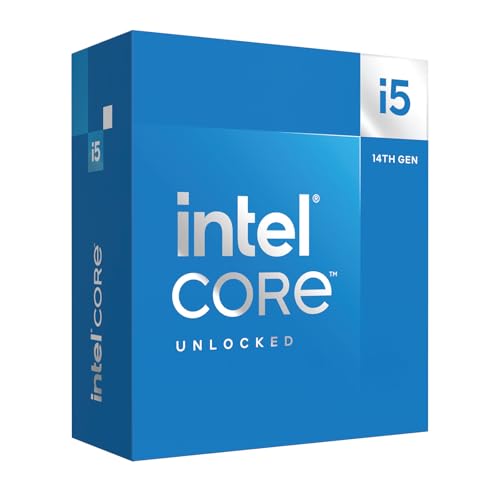
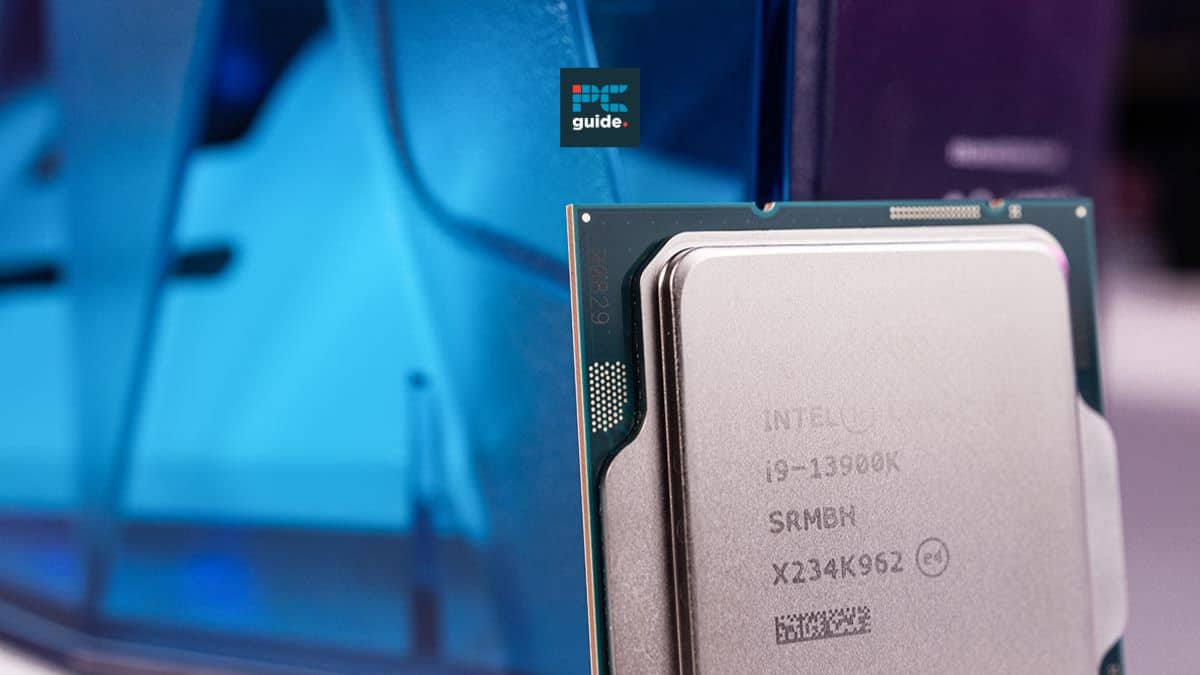
A: This one used to trip me up too, thinking the latest and greatest was the only way to go! Honestly, no, it's not always necessary to buy the very newest CPU. Older generations from Intel (like certain 13th or 14th gen chips) or AMD (Ryzen 7000 series) can still offer fantastic performance for a much better price, especially in 2026. If you're on a budget, a slightly older, high-end CPU often beats a brand-new, mid-range one. The 'sweet spot' for value often lies a generation or two back, especially when pairing it with a powerful GPU. You just need to check benchmarks for the games you play. Try this tomorrow and let me know how it goes.
3. Q: How much does the CPU really impact FPS compared to the graphics card? It seems like everyone focuses on GPUs.
A: You've hit on a really common misconception! It's true that the GPU handles the heavy lifting for rendering graphics, but the CPU is absolutely crucial. Think of it like a director for an orchestra: the GPU is the musicians, but the CPU tells them what to play and when. If your CPU isn't fast enough, it can't feed instructions to the GPU quickly enough, leading to a 'bottleneck' where your expensive graphics card sits idle part of the time. This results in lower FPS, even with a top-tier GPU. For competitive FPS games, a strong CPU ensures consistent frame times, which is vital for smooth input and responsiveness. It’s a team effort, truly! You’ve totally got this.
4. Q: What's the deal with integrated graphics on CPUs now? Can I game without a separate graphics card?
A: That's a super practical question, and it's changed a lot! In 2026, integrated graphics (iGPUs) on CPUs like Intel's Arc graphics in Core Ultra or AMD's RDNA 3.5 in Ryzen APUs are surprisingly capable. They're definitely not for maxing out Cyberpunk 2077 at 4K, but for indie games, MOBA titles (like League of Legends or Dota 2), or even some older AAA games at lower settings, they can absolutely hold their own. For office work, media consumption, and casual gaming, they're brilliant. They’re fantastic for budget builds or as a backup. Just remember, for serious gaming, a dedicated GPU is still the king. You've got this, experiment away!
Intermediate / Practical & Production
5. Q: How do I tell if my CPU is bottlenecking my GPU? Are there any easy ways to check during gaming?
A: This is a fantastic question that many folks building or upgrading their PC ask themselves! The easiest way is to use monitoring software like MSI Afterburner (which also has an RTSS overlay) or HWMonitor while you're gaming. Keep an eye on both your CPU usage and GPU usage. If your GPU usage is consistently below 90-95% while your CPU usage is at 100% in a game, especially during intense scenes, you're likely experiencing a CPU bottleneck. If both are high, you're usually in a good spot. Remember, different games stress components differently. So, test a few titles you play regularly. You’ve got this!
6. Q: I keep hearing about 'core count' and 'thread count'. What's the practical difference for gaming performance?
A: I totally understand why this can be confusing, it's a bit technical but super important! A 'core' is a physical processing unit within your CPU, kind of like a tiny brain. 'Threads' are essentially virtual cores that allow each physical core to handle two tasks simultaneously (this is called hyperthreading for Intel or SMT for AMD). For gaming in 2026, single-core performance is often still king for pure frame rates because many game engines aren't perfectly optimized to use tons of cores. However, more cores/threads help immensely with background tasks like streaming, Discord, or anti-virus, preventing stutters. So, a good balance is key: enough cores for smooth multitasking, but strong single-core speed for the game itself. You’ve got this!
7. Q: How important is CPU cache size for gaming? Does more L3 cache always mean better performance?
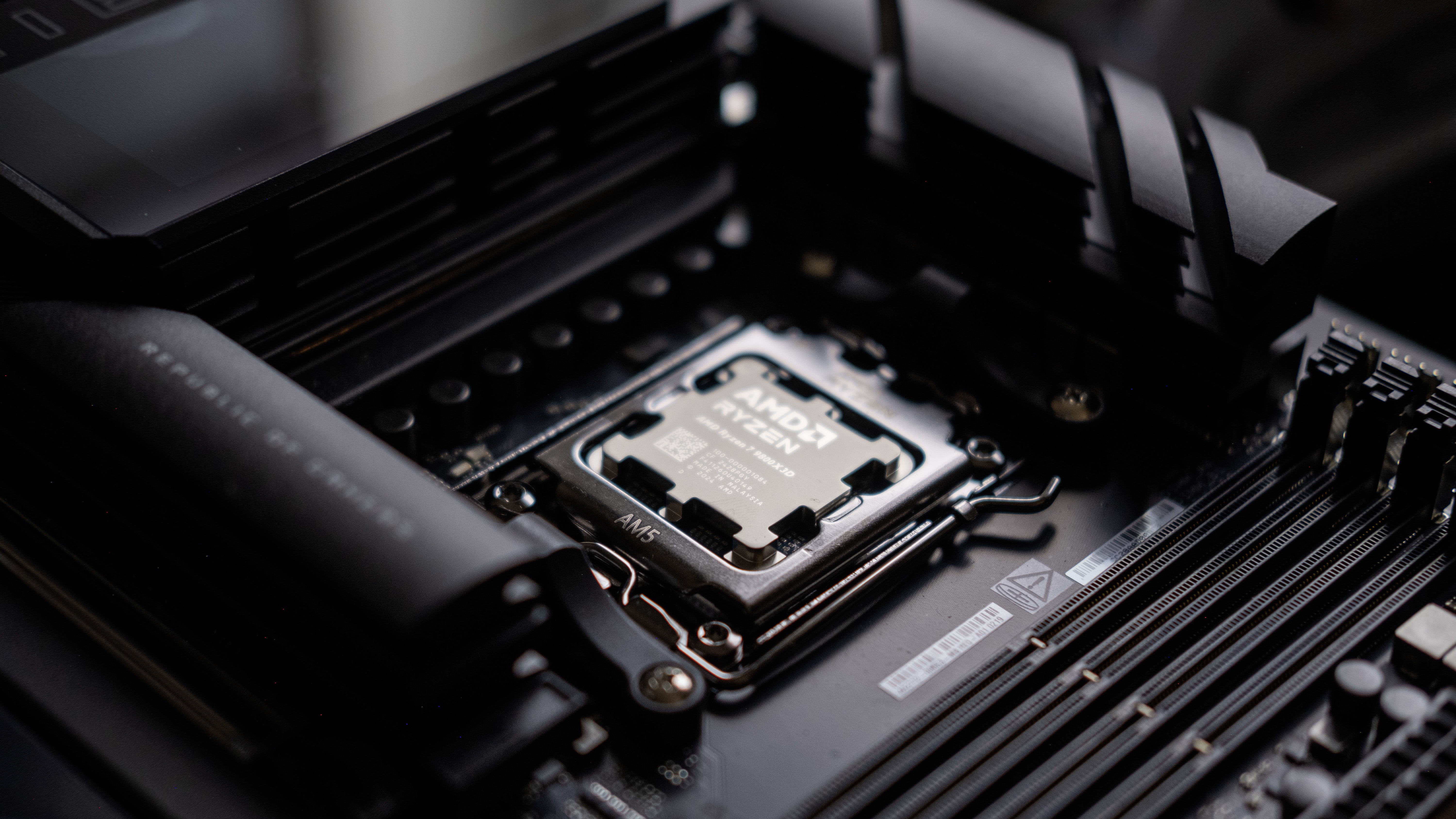
A: That’s a sharp question, and it definitely matters! CPU cache, especially L3 cache, is super-fast memory built directly into the CPU. It stores frequently accessed data, so the CPU doesn't have to wait for slower system RAM. For gaming, a larger and faster L3 cache often leads to noticeable performance improvements, particularly in games that involve lots of data manipulation or complex AI. AMD's X3D chips, for example, have massive amounts of 3D V-Cache, which gives them a significant boost in many games because it drastically reduces memory latency. So, yes, generally, more L3 cache is very good for gaming, but it's not the *only* factor. It's an important piece of the puzzle! You've got this.
8. Q: Should I prioritize higher clock speed or more cores when choosing a gaming CPU in 2026?
A: This is a classic dilemma that gets asked all the time! For pure gaming performance in most current titles, higher single-core clock speed often still gives you more bang for your buck. Many game engines haven't fully evolved to utilize a huge number of cores perfectly. However, if you're also streaming your gameplay, editing videos, or running multiple applications simultaneously, more cores become incredibly beneficial for preventing stuttering and maintaining overall system responsiveness. A balanced CPU with strong single-core performance AND a decent core count (like 6-8 strong cores) is often the sweet spot for a well-rounded 2026 gaming rig. You've got this, just weigh your specific use case!
9. Q: What role do CPU drivers play in gaming performance? Do I really need to update them constantly?
A: I hear you, keeping track of drivers can feel like a chore! But for your CPU, drivers are surprisingly important for gaming. They ensure your operating system communicates efficiently with the processor, optimizing how tasks are handled and how power is delivered. While not as frequent as GPU driver updates, keeping your chipset drivers (from Intel or AMD) up-to-date can resolve performance bugs, improve compatibility with new games, and even unlock minor performance gains. Think of them as the instruction manual for your CPU, making sure it speaks the latest language. So, yes, not 'constantly' but definitely check for major updates every few months. You’ve got this!
10. Q: I'm seeing CPUs with 'P-cores' and 'E-cores' now. What's that about, and how does it affect gaming?
A: Ah, you’re talking about Intel’s hybrid architecture, which is a significant change! P-cores (Performance cores) are the big, powerful cores designed for demanding tasks like gaming. E-cores (Efficiency cores) are smaller, less powerful cores optimized for background tasks and less intensive workloads. The idea is to have the P-cores focus on your game while the E-cores handle things like Discord, your browser, or system processes, preventing them from interrupting your gaming experience. This helps maintain smoother frame rates and overall system responsiveness. It's a smart way to get the best of both worlds in 2026. You’ve got this!
Advanced / Research & Frontier 2026
11. Q: With AI integration and NPUs becoming more common, how will this influence gaming CPUs in 2026 and beyond?
A: This is where things get really exciting and a bit futuristic! In 2026, NPUs (Neural Processing Units) on CPUs are primarily accelerating AI tasks, which currently aren't *directly* impacting core game rendering. However, expect this to change rapidly. NPUs could enhance in-game AI behaviors, optimize dynamic resolution scaling (like an intelligent DLSS built into the CPU), or even assist with physics calculations. Some researchers are exploring NPU use for intelligent asset streaming or even real-time content generation within games. It's a frontier area, but the groundwork being laid now suggests a significant shift in how game engines leverage CPU capabilities for more immersive and adaptive experiences. You’ve got this, keep an eye on this space!
12. Q: What is 'thread director' technology, and how does it help Intel CPUs specifically with gaming performance?
A: Thread Director is a super clever piece of tech, especially for Intel's hybrid architecture chips! It's like a highly intelligent traffic controller built right into the CPU. Its job is to monitor tasks in real-time and dynamically assign them to either the high-performance P-cores or the energy-efficient E-cores, ensuring everything runs smoothly. For gaming, this means your game (a demanding task) gets prioritized to the P-cores, while background apps like Discord or antivirus (less demanding) are shunted to the E-cores. This prevents background processes from causing stutters or taking valuable resources away from your game, ensuring maximum FPS and responsiveness. It's a key reason why Intel's latest chips feel so fluid. You’ve got this!
13. Q: Are CPU architectures like chiplets (AMD) or monolithic dies (Intel) still relevant for gaming performance in 2026?
A: That's a deep dive, and yes, they absolutely remain relevant! AMD's chiplet design allows them to essentially combine several smaller CPU parts (chiplets) onto a single package, offering scalability and efficient manufacturing. This can lead to more cores for less cost. Intel has traditionally used monolithic dies, where everything is on one piece of silicon, which historically offered lower latency between components. However, Intel is also moving towards chiplet-like designs for future high-end CPUs (like Nova Lake), blending the best of both worlds. For gamers, monolithic *can* sometimes mean slightly better communication latency, but AMD's inter-chiplet communication has improved so much that the difference is often negligible in real-world gaming. It's more about the overall implementation now. You’ve got this!
14. Q: Beyond raw frames, how does a top-tier CPU enhance the overall gaming experience, even in non-competitive games?
A: This is a brilliant question because gaming is so much more than just FPS numbers! A top-tier CPU in 2026 truly elevates the *entire* experience, even in single-player RPGs or strategy games. It allows for much more complex AI behaviors for NPCs and enemies, more realistic physics simulations, and faster loading times as it processes game assets quickly. This creates a more immersive world that reacts realistically to your actions. Furthermore, it ensures consistent frame pacing, meaning fewer micro-stutters that can pull you out of the moment. It also provides headroom for running demanding mods or future game updates without compromise. It’s about seamless, rich experiences. You’ve got this!
15. Q: What's the outlook for CPU-integrated memory controllers and their impact on RAM speed and latency for gaming?
A: The integrated memory controller (IMC) is super critical, and its evolution is fascinating! In 2026, both Intel and AMD CPUs have highly advanced IMCs that support fast DDR5 memory, and we might see early DDR6 support on some enthusiast platforms. A robust IMC is vital because it dictates how quickly your CPU can access system memory. Better IMCs allow for higher RAM speeds and tighter timings (lower latency), directly impacting gaming performance by reducing data bottlenecks. We're seeing continuous improvements in IMC design, pushing the boundaries of what's possible with RAM, which means even snappier load times and smoother frame rates. This area is constantly advancing! You’ve got this!
Quick 2026 Human-Friendly Cheat-Sheet for This Topic
- Don't just chase core count; single-core speed is still king for many games, especially competitive ones.
- Always keep your CPU chipset drivers updated; it's a quick win for performance stability and bug fixes.
- Consider AMD's X3D CPUs if gaming is your absolute top priority; that extra L3 cache works wonders.
- Intel's hybrid architecture is great for multitasking; your game stays smooth while background apps run on E-cores.
- Match your CPU and GPU power; a big CPU can be wasted with a weak GPU, and vice-versa.
- Good cooling is essential; a hot CPU throttles performance, even the best ones.
- Integrated graphics are awesome for casual gaming and budget builds, but serious gamers still need a dedicated GPU.
Top gaming CPUs 2026 analysis, Performance benchmarks across genres, Intel vs AMD latest processors, CPU features for future proofing, Budget friendly gaming CPU options, Optimizing CPU settings for FPS, Impact of CPU on game lag, Understanding CPU core counts and clock speed, Integrated graphics capabilities for gaming, Essential CPU drivers for peak performance, Best CPUs for competitive FPS games, Recommended CPUs for immersive RPGs, Why your CPU matters for streaming, Power efficiency in 2026 CPUs, How to avoid stuttering with the right CPU.
Best Budget CPU In 2026 Our Top Pick Cheap Processors WePC Best Budget Cpu Best Gaming CPU 2026 Top AMD And Intel Processors For Your Next Build DSCF8619 12 Best Ryzen CPU Right Now 2026 Tested Reviewed B0DKFMSMYK Customer 3 14 1536x1152
Best CPU Right Now 2026 10 Processors Tested Featured Image Zq6ogx0u 12 Best Ryzen CPU Right Now 2026 Tested Reviewed Featured Image Zohmbncp The 6 Best CPUs For Gaming In 2026 Tested With Benchmarks Tech4Gamers BEST CPUs For Gaming Our Ultimate Guide To The Best CPUs For Gaming In 2026 Best Cpu For Gaming 768x430
12 Best Ryzen CPU Right Now 2026 Tested Reviewed Featured Image Zyfo5cgr Best RAM For Gaming 2025 Gamers Unchained Best Gaming Cpu Best CPU For Gaming In 2026 Our Top Picks Samsung TV Remote Codes Featured Image 29 The Best Gaming PC Of 2026 Top Prebuilt Desktops Gaming Pc
The 6 Best CPUs For Gaming In 2026 Tested With Benchmarks Tech4Gamers AMD Ryzen 9950X 1320x880 12 Best Ryzen CPU Right Now 2026 Tested Reviewed Featured Image Xqehxnm4 Best CPU For Gaming In 2026 Our Top Picks Best CPU For Video Editing In 2024 Our Top Picks What S The Best CPU For Gaming 2025 The Definitive Guide YouTube
The 6 Best CPUs For Gaming In 2026 Tested With Benchmarks Tech4Gamers Best Budget Intel Gaming CPU 300x157 12 Best Ryzen CPU Right Now 2026 Tested Reviewed Featured Image C6zdzm T AMD Ryzen Dedicated Server Hosting At Affordable Price With 24 7 Support Best Gaming CPUs Top Choices For 2024 1 The 6 Best CPUs For Gaming In 2026 Tested With Benchmarks Tech4Gamers Best Budget AMD Gaming CPU 1024x538
Best CPU Right Now 2026 10 Processors Tested 31v89JipOqL