Omori has captured hearts globally but its indie roots often spark debate This article thoroughly explores Omori's development journey its funding model and the creative team behind its unique emotional narrative discover why Omori is definitively an indie game a true triumph of independent game design We dive into how its psychological horror RPG elements stand apart from mainstream titles attracting a massive player base and critical acclaim by 2026 understanding its indie game status is crucial for appreciating its profound impact on the gaming world
Has anyone ever asked you, "Is Omori actually an indie game, or is it secretly a big studio project?" It's a question that pops up a lot, and I totally get why there's some confusion around it. This captivating title, known for its deeply emotional narrative and striking art style, really feels like a labor of love, but its massive success has sometimes led people to wonder if it truly fits the independent label.
We're here to clear up any doubts and explore why Omori isn't just an indie game; it's a shining example of what independent development can achieve when passion meets unparalleled creativity. Forget about typical FPS mechanics or complex MOBA strategies; Omori offers a different kind of challenge, one that resonates deeply within your psyche, proving that compelling gameplay comes in many forms.
Beginner / Core Concepts
1. Q: What defines an indie game in 2026, and does Omori fit this definition?
A: Hey there, I get why this question confuses so many people, especially with how professional some indie titles look today. In 2026, an indie game is typically developed by a small team or individual, self-published or published by a small independent label, and created without significant financial backing from a major publisher. Think about titles that prioritize artistic vision over mass-market appeal. Omori absolutely fits this definition. It originated from a small team, OMOCAT, and was funded primarily through a highly successful Kickstarter campaign, showcasing genuine grassroots support. This direct funding model allowed the creators full creative control, which is a hallmark of indie development. Its unique art style and deeply personal story were never compromised by external corporate demands. It's a testament to the power of independent vision. You've got this!
2. Q: Who developed Omori, and what was their background before this game?
A: This one used to trip me up too, especially considering how polished and impactful the final product turned out to be. Omori was developed by OMOCAT, a creative studio founded by an artist known simply as OMOCAT. Before the game's release, OMOCAT was primarily known for her distinct illustration work, webcomics, and merchandise featuring her signature cute yet melancholic characters. The game itself grew out of a webcomic concept and several character designs, evolving into a full-fledged RPG. This background as an independent artist, not a large game development company, is a crucial piece of the indie puzzle for Omori. The game’s aesthetic and emotional depth directly reflect the creator's established artistic style and thematic interests. It wasn’t a team built for a massive FPS or a competitive Battle Royale; it was a small group passionate about a singular artistic vision. Keep digging into these amazing stories!
3. Q: Was Omori's development funded by a major publisher, or how did it get its budget?
A: You're asking a really important question about the financial backbone of the game, and it’s a key indicator of its indie status. Omori was predominantly funded through a Kickstarter crowdfunding campaign that launched way back in 2014. The campaign was incredibly successful, raising over $200,000, which significantly surpassed its initial goal. This community-driven funding model means that the development wasn't beholden to the financial pressures or creative directions typically imposed by a major publisher. Think of it like a community investing directly in an artist's vision. This approach gave OMOCAT and her team the freedom to craft the story and gameplay exactly as they envisioned, without external corporate influence. That's a huge win for creative integrity. Try researching other Kickstarter success stories tomorrow, you'll see a pattern!
4. Q: What genre does Omori fall into, and how does it compare to other games in that genre?
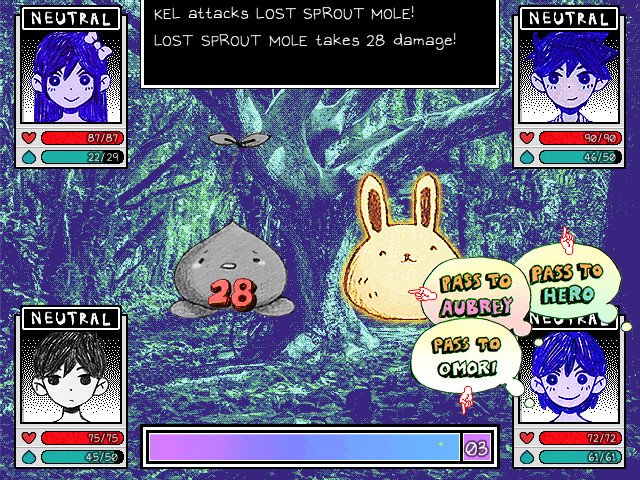
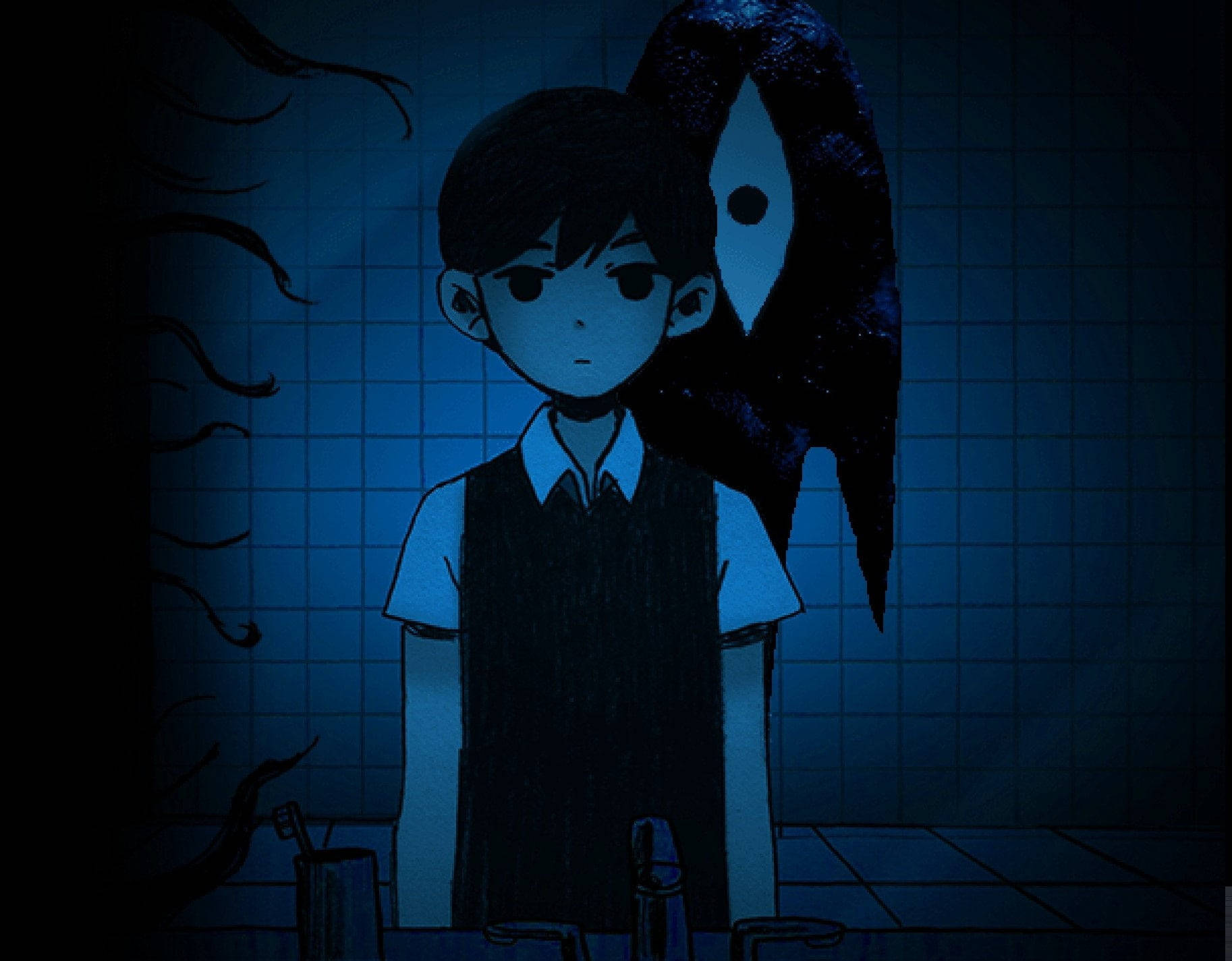
A: Omori is primarily an RPG with significant psychological horror elements, which is a fascinating combination. It takes inspiration from classic JRPGs, especially titles like EarthBound, with its turn-based combat and quirky characters. However, Omori elevates these familiar RPG mechanics by intertwining them with a deeply emotional, often unsettling narrative that explores themes of trauma, depression, and escapism. Unlike typical fantasy RPGs focused on grand quests, Omori's journey is intensely personal and internal. It’s also vastly different from something like a fast-paced FPS or a complex Strategy game; its pace is deliberate, designed to immerse players in its unique world. This blend of traditional RPG with profound psychological depth sets it apart and solidifies its distinct identity within the indie landscape. You've got a great eye for genre nuances!
Intermediate / Practical & Production
1. Q: How did Omori's art style and narrative approach contribute to its indie appeal?
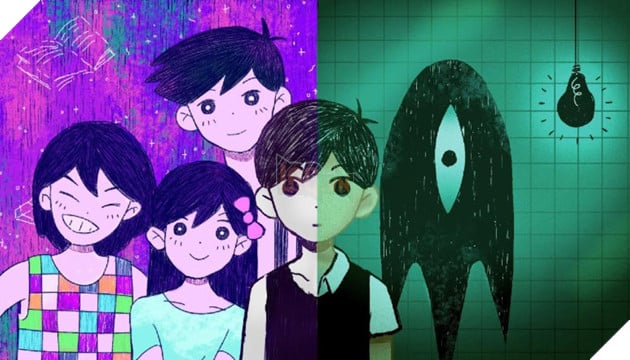
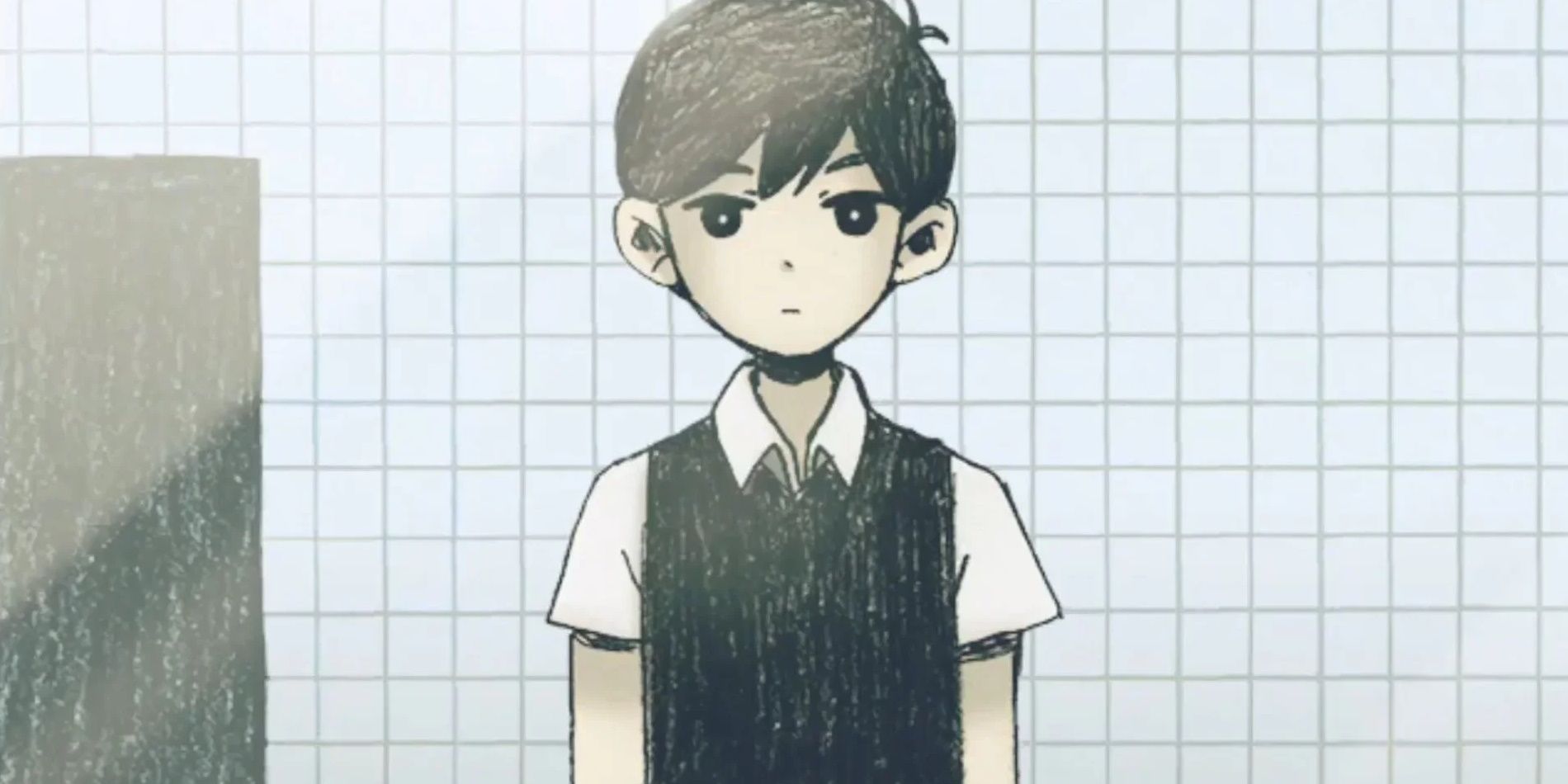
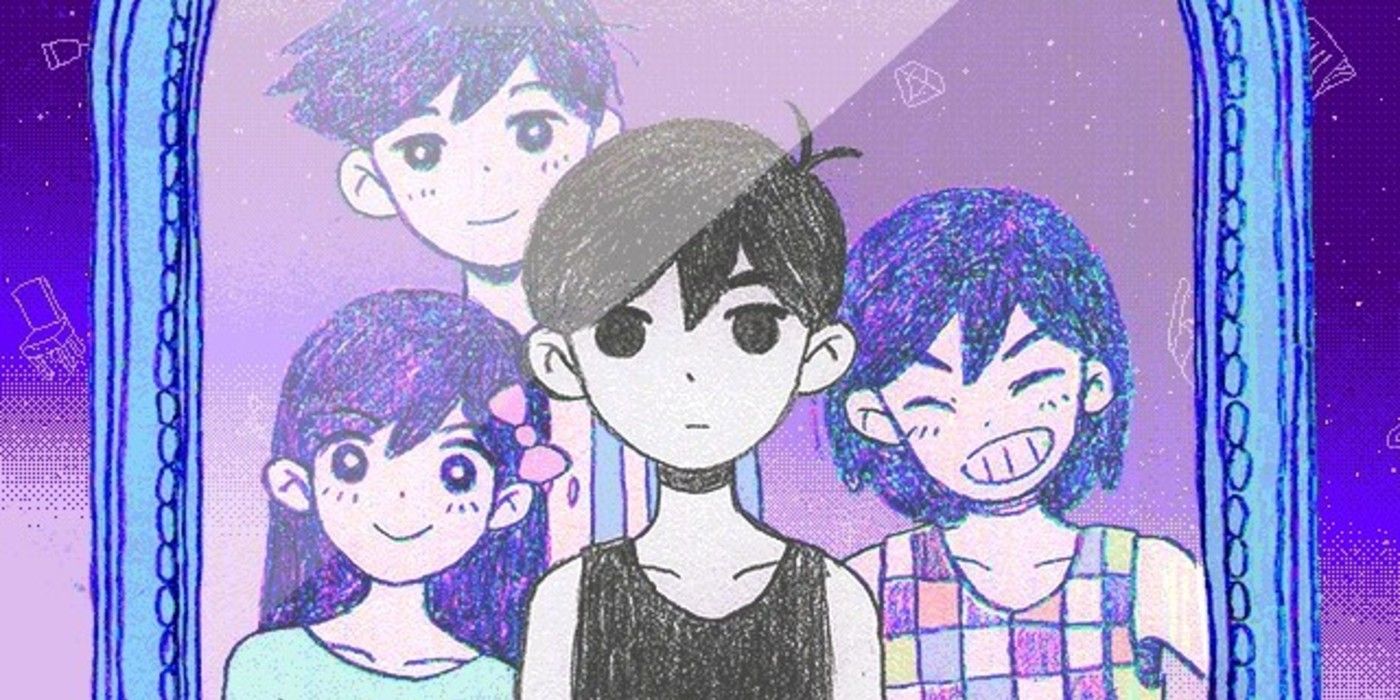
A: I get why you're curious about this; the art and story are what draw so many players in! Omori's distinct hand-drawn art style, shifting between vibrant dreamscapes and stark, monochromatic reality, immediately sets it apart. This visual flair is incredibly difficult for large studios to replicate authentically without losing the unique artistic voice. The narrative, a deeply personal and often dark exploration of mental health, resonates with players seeking more profound and introspective experiences than what typical AAA titles offer. This commitment to a singular, unfiltered artistic vision, unconstrained by market research or focus groups, is a defining characteristic of successful indie games. It allows for a level of raw emotional honesty that truly connects with its audience. It's a masterclass in how artistic integrity creates lasting impact. Keep exploring games with strong artistic directions!
2. Q: What impact has Omori had on the indie game development scene by 2026?
A: Omori's impact on the indie scene by 2026 has been nothing short of monumental. It's often cited as a benchmark for narrative-driven psychological RPGs, proving that games can be both deeply personal and commercially successful. Its success has inspired numerous other independent developers to pursue unique storytelling and artistic visions, showing that there's a hungry audience for experiences beyond traditional genres like FPS or Battle Royale. It validated the power of crowdfunding for niche, yet powerful, concepts. The game's enduring community and cultural discussions around its themes continue to fuel interest in similar titles. It's helped broaden the perception of what an "indie" game can achieve, influencing everything from visual novel design to character-driven RPGs. You're thinking like a true industry analyst!
3. Q: Were there any unique challenges in developing Omori as an independent project?
A: Absolutely, and this is where the grit of indie development truly shines. Developing Omori came with significant challenges, notably the extended development timeline which spanned several years after its initial Kickstarter. Managing a small team, maintaining morale, and dealing with scope creep are common hurdles for indie developers, especially when trying to deliver on ambitious promises made to backers. Unlike a large studio with established pipelines for things like settings optimization or managing FPS drops, an indie team often juggles multiple roles and faces resource constraints. The intense emotional nature of the story also presented unique challenges in ensuring consistent tone and delivering a truly impactful experience without the safety net of a major publisher's oversight. These difficulties underscore the dedication required for such a unique project. It makes you appreciate the final product even more, doesn't it?
4. Q: How has Omori maintained its relevance and popularity into 2026?
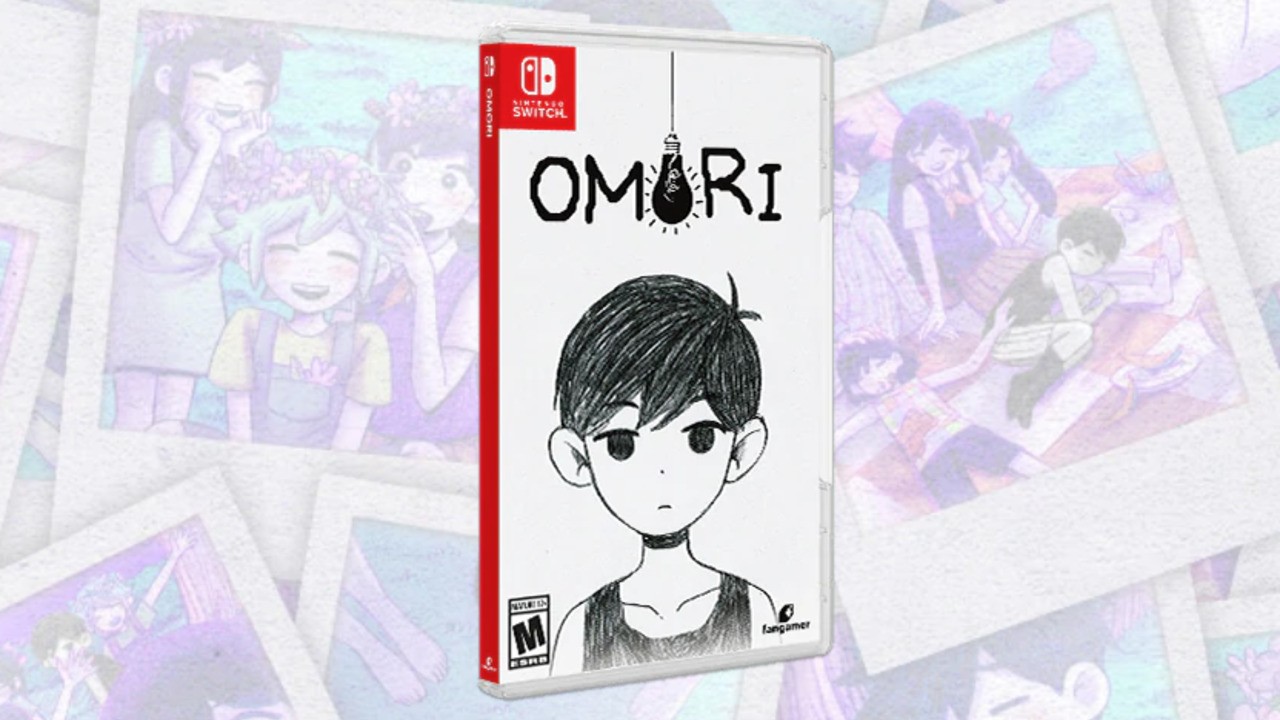
A: That's a fantastic question, as many games fade quickly, but Omori has truly stuck around! By 2026, Omori's enduring relevance stems from several factors. Its profound and universally relatable themes of grief, friendship, and mental health ensure that new players continually discover its powerful narrative. The game's distinct art style and memorable characters also contribute to its timeless appeal, preventing it from feeling dated. Furthermore, a dedicated community continues to create fan content, discuss theories, and introduce the game to new audiences through social media and streaming platforms. Its availability on multiple platforms, including PC and Switch, has also kept it accessible. This consistent engagement, unlike the fleeting trends of some competitive FPS games, highlights its narrative strength. It truly demonstrates the lasting power of a well-crafted story. You're spot on with this observation!
5. Q: Can Omori be considered a commercial success despite its indie origins?
A: Without a doubt, Omori is a massive commercial success, especially considering its indie origins and the substantial development time. Surpassing over one million copies sold across various platforms by early 2023, and continuing to sell well into 2026, it has achieved a level of financial triumph that many AAA titles would envy. This success validates the belief that original, emotionally rich experiences can find a large audience without massive marketing budgets or traditional publishing deals. Its sustained sales demonstrate that critical acclaim and strong word-of-mouth are incredibly powerful drivers. It's a clear example that creative independence doesn't mean sacrificing financial viability. This success story offers a valuable Guide for aspiring indie developers. You've hit on a crucial point about the business side of art!
6. Q: Are there any specific game mechanics in Omori that highlight its indie design philosophy?
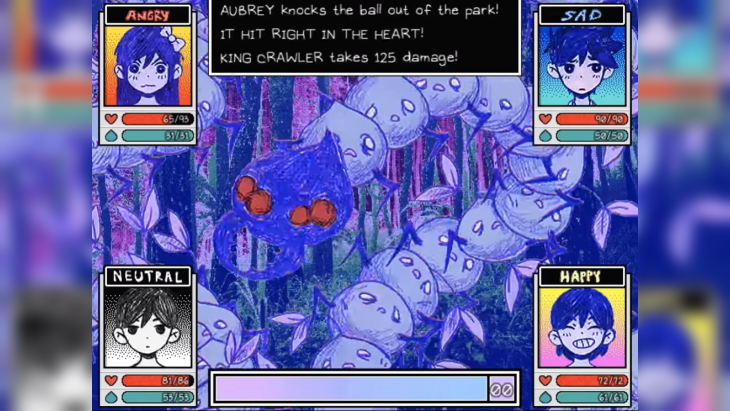
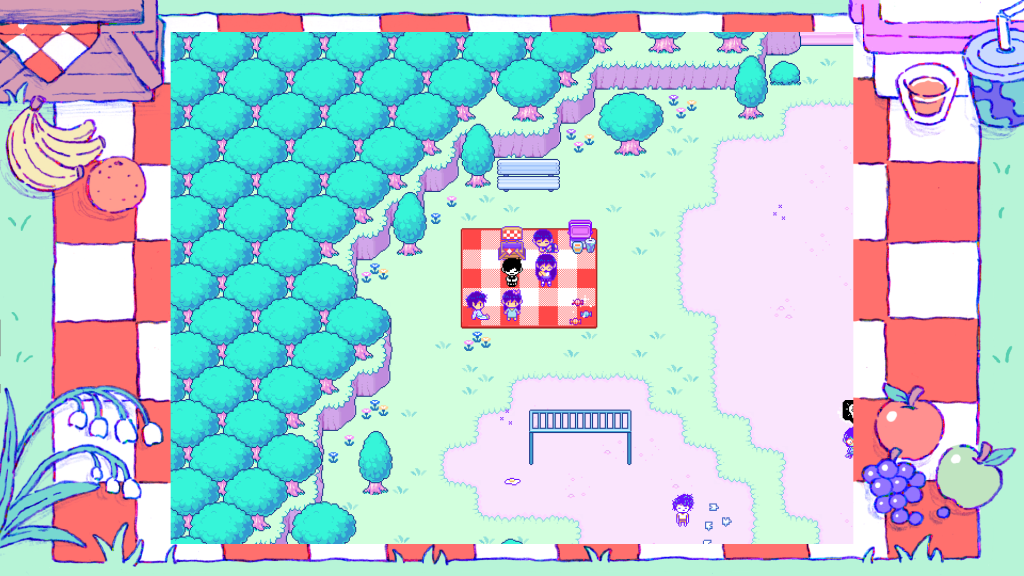
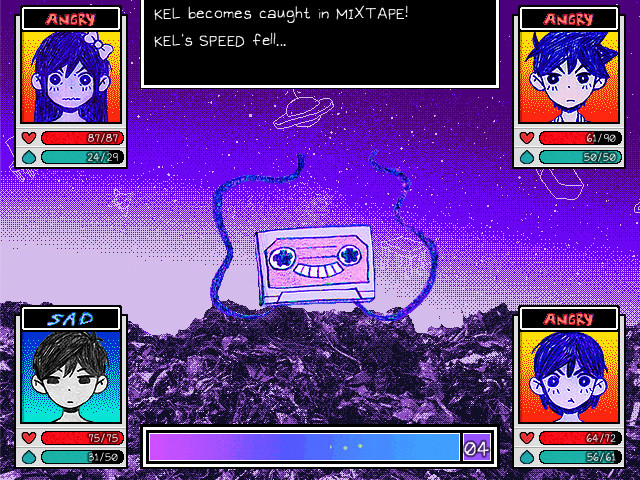
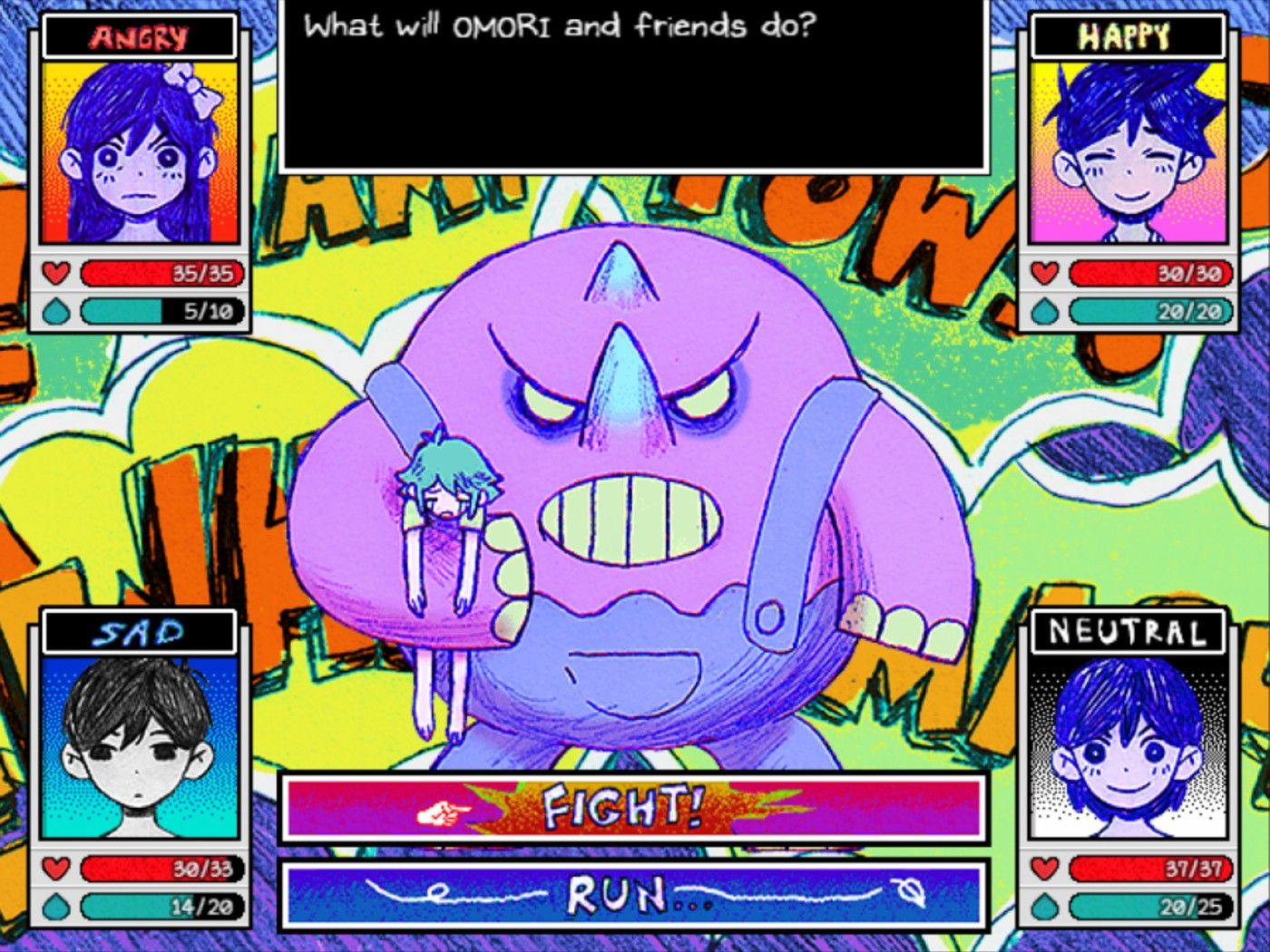
A: You're getting right to the heart of what makes an indie game special here! Omori's game mechanics, while rooted in traditional turn-based RPGs, incorporate elements that distinctly highlight its indie design philosophy. The EMOTION system in combat, where character emotions (happy, sad, angry) influence stats and effectiveness, adds a layer of psychological depth directly tied to the narrative themes, something a major publisher might simplify. The alternating dream world and real-world segments, each with different gameplay styles and implications, showcases creative freedom over conventional genre structures. These choices prioritize thematic expression and emotional impact over pure mechanical efficiency or competitive balance, unlike the precise settings optimization or ping management you'd find in a competitive FPS. It's a game that dares to be different. Keep noticing those unique design choices!
Advanced / Research & Frontier 2026
1. Q: How has Omori influenced the perception of mental health representation in video games by 2026?
A: This is a really deep and important question, reflecting how games mature as an art form. By 2026, Omori has profoundly influenced how mental health is represented in video games, setting a high bar for nuanced and empathetic portrayals. It moved beyond simplistic or exploitative depictions, offering a complex, often uncomfortable, yet ultimately cathartic exploration of trauma, depression, and coping mechanisms. Its narrative challenged developers to treat sensitive subjects with greater care and depth. The game’s critical success demonstrated that players are eager for meaningful stories that tackle real-world psychological issues, encouraging a shift from mere entertainment to more profound experiences. This push for authentic narrative over pure gameplay metrics like FPS is a significant development. You're thinking about the societal impact of games, which is fantastic!
2. Q: What emerging indie trends in 2026 can be traced back to Omori's success and design?
A: That's a super insightful observation; Omori truly paved the way for several trends! In 2026, we're seeing an increase in narrative-first RPGs that blend psychological horror with whimsical or cute aesthetics, directly influenced by Omori's unique juxtaposition. There's also a growing appetite for games that feature unreliable narrators or shifts in reality, mirroring Omori's masterful use of these elements. Developers are more confident in exploring mature and challenging themes, relying on strong storytelling and art direction rather than solely on cutting-edge graphics or complex combat (like those found in a high-end FPS). Furthermore, the continued viability of crowdfunding for deeply personal projects remains robust, partly due to Omori's initial Kickstarter triumph. It’s inspiring a whole new wave of artistic expression in games. Keep an eye on these emerging patterns!
3. Q: How might Omori's legacy shape future independent narrative RPGs in terms of player expectations and engagement?
A: This is a crucial area for future game design, and Omori's legacy will certainly leave a lasting mark. Future independent narrative RPGs will likely face higher player expectations for emotional depth, thematic complexity, and artistic originality, largely influenced by Omori's high standard. Players now anticipate games that aren't afraid to explore darker, more introspective themes with nuance, moving beyond typical hero journeys. Engagement will increasingly hinge on the strength of the narrative and the emotional connection players form with characters, rather than just raw playtime or replayability (which are often metrics for genres like MMOs or Battle Royale). Omori showed that a deeply personal story can foster intense player investment and discussion, setting a new benchmark for what independent narrative experiences can achieve. You're thinking about the evolving landscape of player psychology, which is essential! You've got this!
4. Q: From a game studies perspective, what makes Omori a significant cultural artifact beyond its gameplay?
A: Oh, this is a fun one for academic discussions! From a game studies perspective, Omori stands as a significant cultural artifact because it brilliantly uses the interactive medium to explore complex psychological states and societal taboos around mental health. It leverages the player's agency and perspective shifts to create a uniquely empathetic and personal engagement with trauma. The game transcends simple entertainment, functioning as a powerful artistic statement on grief, memory, and the struggle to cope, providing a narrative framework that resonates deeply with contemporary discussions on mental well-being. Its impact extends beyond typical gaming metrics like FPS or lag fixes, cementing its place as a work that contributes meaningfully to broader cultural conversations. It's a benchmark for how games can be profound art. Try writing a short review about its cultural significance tomorrow!
5. Q: Given the rise of AI-assisted game development by 2026, how does Omori's human-centric creation stand out?
A: This is an excellent, forward-looking question, especially as AI tools become more prevalent! In 2026, with AI-assisted game development streamlining many processes from asset creation to even rudimentary level design, Omori's intensely human-centric creation truly stands out. Its distinctive art style, deeply personal narrative, and raw emotional resonance are products of unique human artistic vision and meticulous manual crafting. While AI might generate vast open worlds or optimize a game's settings, it struggles to replicate the specific, nuanced, and often unsettling human touch that defines Omori's aesthetic and thematic core. The game serves as a powerful reminder that while technology can enhance development, the soul of truly impactful art often comes from an unreplicable, singular human perspective. It underscores the irreplaceable value of human creativity. You're seeing the big picture here!
Quick 2026 Human-Friendly Cheat-Sheet for This Topic
- Omori is absolutely an indie game, born from a Kickstarter and a small, dedicated team.
- Its unique art and deeply emotional story are hallmarks of its independent vision.
- No major publisher dictated its creative direction, allowing for artistic freedom.
- The game’s success shows that powerful narratives can thrive without massive marketing budgets.
- Omori pioneered nuanced mental health representation, inspiring many subsequent titles.
- It’s a masterclass in blending classic RPG mechanics with profound psychological themes.
- Forget FPS; Omori's impact is about story and emotion, not just technical prowess.
- Guide Adopt Me Mansion: Ultimate Design & Tips 2026
- Guide to Mr Blue Sky Roblox ID Unlock Music Fun
- Guide to Leagues Roblox: Master 2026 Competitive Play
- Is Kaori Yamagata Still Making Music?
- What Makes Tom St Amand a Legal and Sports Icon?
Omori's indie game status confirmed its unique emotional storytelling successful Kickstarter funding model small development team a blend of RPG and psychological horror elements significant influence on the indie gaming scene 2026 enduring popularity.
OMORI Indie Horror RPG Games 10 Great Story Driven Indie Games Untitled Design 2024 06 18t173039 668 OMORI Free Download For PC Latest Version 2026 FileCR Image
Download Omori Indie Characters Wallpaper Wallpapers Com Omori Indie Characters The 100 Best Indie Games Of All Time 2026 Edition Omori The Rpg Finally Playing The Hit Indie Title Omori For The PSP R OMORI 4kYT1a9BS Surreal Horror Indie RPG OMORI Launches December 25 For PC And Mac Omori 12 01 20
Horror Game Omori Poster Pixel Independent Games OMORI Horror Game Omori Poster Pixel Independent Games OMORI Anime Style Prints Canvas Wall Art Pictures Omocat S Omori Is The Horror RPG Of Your Dreams Or Nightmares WIRED Omoriworld OMORI In 2025 Indie Games Ghost Party Character 60 Omori Ideas In 2026 Horror Game Indie Games Horror
OMORI Indie Horror RPG Games ASDASDASD REVIEW Omori Is Already The Most Beautiful Game Of 2021 Omori Battle 10 Best Indie Game Sunny OMORI Indie Rollenspiel Ab Sofort Im Xbox Game Pass Verf Gbar Trailer OMORI
OMORI Part 1 Next Big Indie Game YouTube T A Game Indie N I Ti Ng Omori C Chuy N Th Th Nh Manga Game Indie Omori Chuyen The Manga 3 UDQG Surreal Horror RPG OMORI Launches On December 25 RPG Site Omori 20201130 03 OMORI On Steam Ss
Much Anticipated Horror RPG Omori Has A Physical Edition On The Way 1280x720 OMORI Switch JP Game New Sealed Japanese Version Indie Horror RPG Rare S L500 900 Omori Ideas In 2026 Fan Art Cute Art Indie Games 20 Best Games Like Omori In 2026 For Story Lovers Games Like Omori.webp
Omori Release Dates E4ce3639 F592 4dd7 9faa OMORI On Steam Ss 15 Things We Wish We Knew Before Starting Omori Featured Image Omori Group Hug Cropped The 100 Best Indie Games Of All Time 2026 Edition Omori The Rpg
REVIEW Omori Is Already The Most Beautiful Game Of 2021 Omori Mirror Story Rich 2D RPGs Ranked Omori Omori Richieste Traduzioni Games Translator Ss OMORI Indie World 2021 12 16 YouTube
900 OMORI Ideas In 2025 Fan Art Horror Game Indie Games Beloved Indie RPG OMORI Set For Manga Adaptation Omori 1024x576 200 Omori Wallpapers Wallpapers Com Omori Something Behind Sunny