Understanding effective waste management is more crucial than ever in today's world. As our communities grow, so does the volume of waste we generate. This comprehensive guide delves into modern waste management strategies, exploring everything from the fundamentals of reduce, reuse, recycle to advanced technologies like waste-to-energy initiatives. Discover how proper waste disposal impacts environmental health, public safety, and resource conservation. We'll unpack trending solutions and practical steps individuals and businesses can take to contribute to a sustainable future. Learn about innovative recycling programs, composting benefits, and the economic advantages of circular economy principles. This resource is designed to navigate you through the complexities of waste management, providing clear, actionable insights. Whether you are seeking basic information or advanced solutions, this guide aims to empower you with the knowledge to make a tangible difference. Explore the latest advancements and understand their positive implications for both local and global ecosystems. It is time to transform our approach to waste, moving towards a more efficient and eco-conscious system for everyone.
Hey everyone! Ever wonder what actually happens to all that stuff we toss into the trash can? Honestly, it's a question many of us ask, and understanding 'waste management' is super important. It feels like this topic is always trending, because let's be real, our planet is facing some serious challenges with all the waste we're generating. So, let's dive into some common questions and get you informed, because I'm telling you, it’s not as complicated as it sometimes seems.
You might think it's just about big landfills, but waste management is so much more diverse and impactful. It involves a whole system designed to handle our refuse safely and sustainably. Understanding these processes can genuinely help us all make better choices every single day. This isn't just a boring civic duty; it's a huge part of protecting our environment and our health. Plus, there are some pretty cool innovations happening in this space right now.
The Big Picture: Why Waste Management Matters So Much
So, why should we even bother thinking about our trash beyond the curb? Well, improper waste management causes significant pollution, affecting our air, water, and soil quality. It contributes directly to climate change through methane emissions from decomposing organic matter in landfills. Seriously, it's a big deal for our planet's future, impacting ecosystems and wildlife globally. We're talking about very real consequences here.
It's Not Just About Landfills Anymore
Honestly, the days of just burying everything are hopefully fading, right? Modern waste management looks at a comprehensive strategy to deal with all types of discarded materials. This multi-faceted approach aims to minimize environmental harm and recover valuable resources effectively. It's a continuous process of improvement and innovation in communities everywhere.
- Globally, we produce over 2 billion tons of municipal solid waste annually, a figure projected to grow.
- Only about 13.5% of global waste is currently recycled, showing a huge potential for improvement.
- Effective waste management can help prevent diseases and protect public health standards significantly.
- Many developing countries face extreme challenges in managing their growing waste volumes effectively.
- New technologies are emerging to transform waste into energy, reducing reliance on fossil fuels.
The 3 R's and Beyond: Your Role in the Waste Game
You’ve probably heard about the three R's – Reduce, Reuse, Recycle – a million times. But, honestly, these are the fundamental building blocks of responsible waste management. They represent a hierarchy of actions that individuals and communities can take to lessen their environmental footprint. Embracing these simple principles can lead to substantial positive changes. It truly starts with each one of us making conscious decisions every single day.
Reduce: Cutting Down at the Source
Reducing waste is actually the most impactful step, because it prevents waste from ever being created. Think about buying items with less packaging or choosing reusable options over disposables. This simple shift in mindset can drastically cut down on your overall waste generation. Small changes in your shopping habits can make a remarkable difference over time, which is pretty cool. For instance, carrying a reusable water bottle or coffee cup is a super easy start.
Reuse: Giving Items a Second Life
Before you toss something, consider if it could be used again for another purpose. Reusing items extends their lifespan and reduces the demand for new products, saving resources. Think about donating old clothes, repairing broken electronics, or upcycling furniture pieces. This creative approach prevents perfectly good items from ending up in landfills too soon. I've tried this myself, and it's surprisingly fun to give things new life.
Recycle: The Familiar but Crucial Step
Recycling transforms discarded materials into new products, conserving natural resources and energy. It's important to understand your local recycling guidelines, as they can vary significantly by region. Proper sorting ensures that materials are actually processed and don't contaminate the recycling stream. This step truly closes the loop on many materials, preventing them from becoming permanent waste. But remember, reduce and reuse come before recycle!
- Check local council websites for specific recycling rules and accepted materials in your area.
- Rinse food containers thoroughly before recycling to avoid contamination issues.
- Consider a home composting system for organic waste like food scraps and yard clippings.
- Look for products made from recycled content to support the circular economy movement.
- Participate in community cleanup drives or advocate for better local recycling programs.
Emerging Trends and What's Next for Waste
The world of waste management is constantly evolving, with new technologies and approaches emerging regularly. We're seeing a shift from simply disposing of waste to viewing it as a valuable resource. These innovative trends promise a more sustainable future, offering exciting possibilities for resource recovery and energy generation. It's a super dynamic field that’s always pushing boundaries.
Waste to Energy Solutions
Waste-to-Energy (WtE) facilities convert non-recyclable waste into usable heat, electricity, or fuel. This process significantly reduces landfill volume while generating renewable energy, which is a total win-win. It’s an advanced disposal method that helps address both waste overload and energy demands simultaneously. Many countries are investing heavily in these cutting-edge plants for a greener future. It's definitely a topic to watch.
The Circular Economy Buzz
The circular economy aims to keep resources in use for as long as possible, extracting maximum value from them. It’s about designing waste out of the system from the very beginning, unlike our current linear 'take-make-dispose' model. This concept emphasizes repair, reuse, refurbishment, and recycling to create a sustainable loop. Companies are starting to embrace this model, and it's gaining serious traction globally. It’s a pretty exciting shift, tbh.
Composting: The Earth's Natural Recycler
Composting food scraps and yard waste diverts organic materials from landfills, where they would produce harmful methane gas. Instead, it creates nutrient-rich soil enhancer for gardens and agriculture. This natural process is incredibly beneficial for soil health and reduces the need for chemical fertilizers. It's an easy, impactful step everyone can take to make a difference. Plus, your garden will totally thank you for it!
So, there you have it, folks! Waste management is way more than just taking out the trash; it's a vital part of our collective future. Every small action you take, from reducing plastic use to sorting your recyclables, contributes to a bigger, positive impact. It really empowers us to make smarter choices. Does that make sense? What exactly are you trying to achieve with your waste efforts?
Importance of Reduce Reuse Recycle principles. Impact of waste on environment and public health. Modern waste disposal techniques and innovations. Role of communities in sustainable waste practices. Benefits of composting and waste-to-energy. Understanding circular economy concepts. Policy and regulation in waste management. Future trends for a greener planet.
Best E Waste Disposal Methods In India In 2026 Best E Waste Disposal Methods India 2026.webpCapital Advisors Inc OK Has 42 56 Million Stock Holdings In Waste Waste Management Inc Logo 1200x675 City Of Owen Sound Releases 2026 Waste Management Calendar City Of 2026 Waste Collection Calendars
Exclusive Fluid Experience The Waste Management Open Phoenix 2026 WM Main Image2Asia And Waste Management Expo 2026 Kv Enwaste2026 TH Banner 1200x800 Waste Management Open 2026 A Complete Guide To The PGA Tour S Most Images 2026 02 678x381 Waste Management Waste To Energy Asia Summit 2026 Vietnam Focus 39084
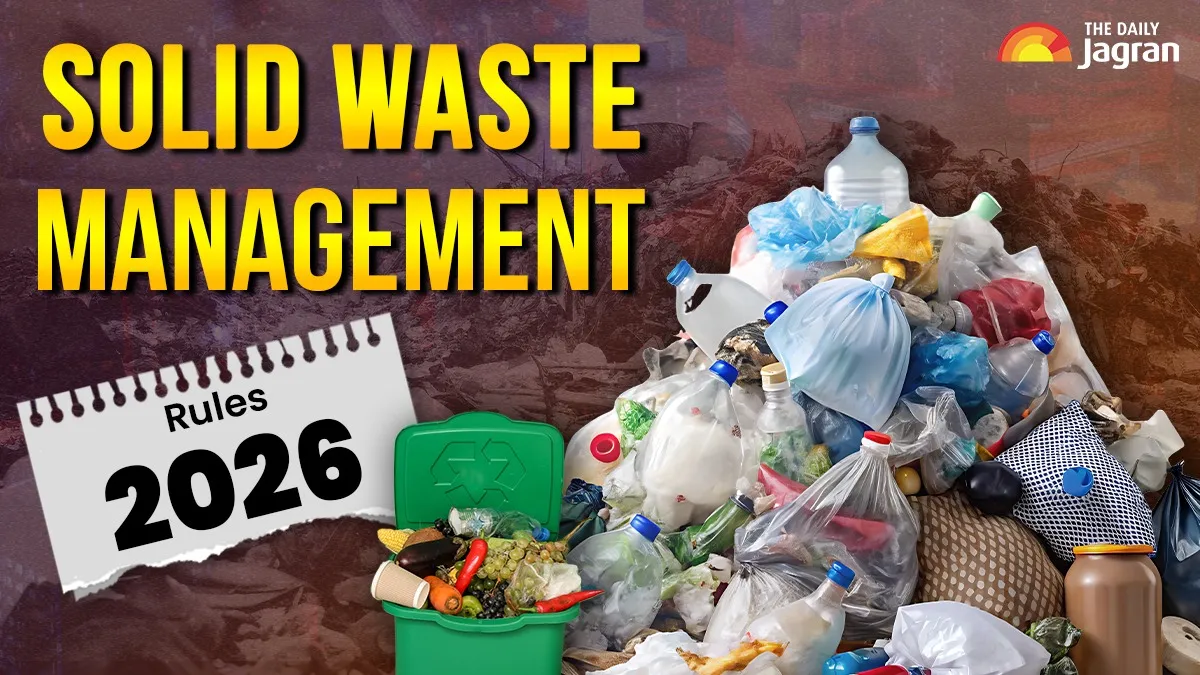
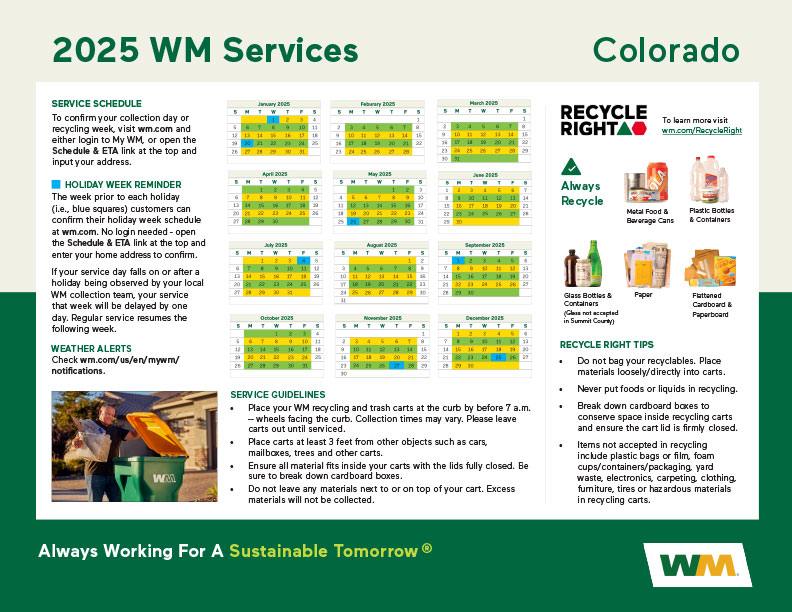
Solid Waste Management Rules 2026 How Govt Plans To Tackle WasteGlobal Waste Management Symposium GWMS 2026 2024 11 29 Om 12.57.06 768x188 Waste Management Calendar Wheatlands District 2025 WM Calendar NATIONAL MANAGEMENT WASTE ACT 59 OF 2008 National Management Waste Act 59 Of 2008NEMWA On The Draft National Waste Management Strategy NWMS 2026
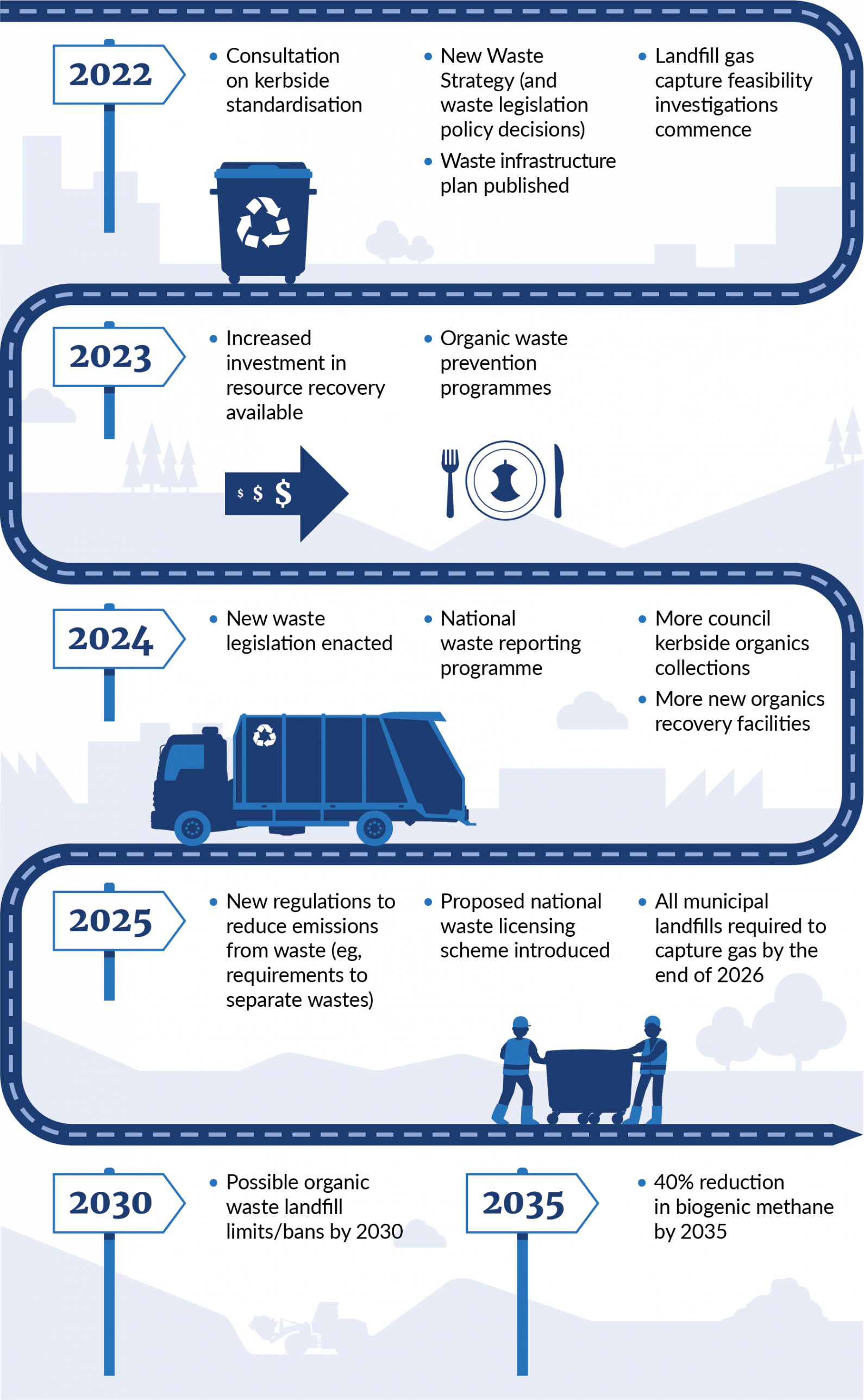
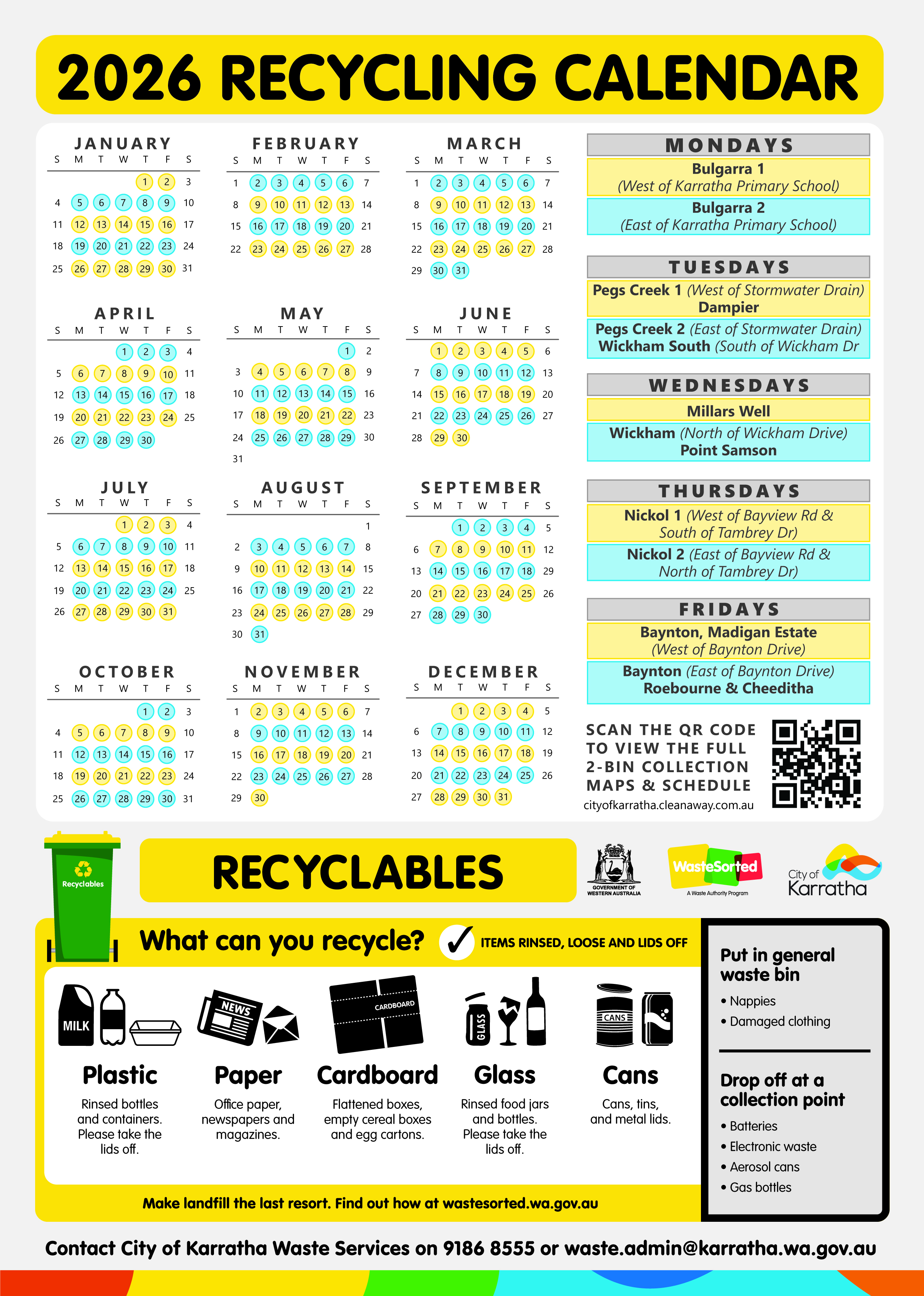
ASIA WASTE MANAGEMENT EXPO 2026 Exhibition Public Waste Ministry For The Environment Figure 15 Waste Pathway To 2035 300ppi 2026 Baldwin Township Waste Management Schedule Baldwin Township Waste Management Calendar 2026 Page 1 Kerbside Bin Services City Of Karratha 2026 Waste Recycling Calendar 01
Waste Management 2026 Information Dates Indiana Township Waste Management 2026 Cover Waste Management Schedule 2026 Image 868 Home Indiana Township Allegheny County PA Waste Management 2026 Cover 1080x675 Waste Management Pick Up Schedule 2026 Mendon City 66b73cef 56a8 40e9 B74a 0 2048x1583
Waste Management Holiday Schedule 2026 Image 254 791x1024 Waste Recycling Castle Shannon PA 2025 Waste Management Collection Schedule Asia And Waste Management Expo 2026 Asia And Waste Management Expo 2026 12f61c0ebf Garbage Recycling And Composting Town Of Aurora 2026 Page 2
Tpc Waste Management Open 2026 Dates Waste Management Symposium 2026 IGD TP Safe Solutions For WM2026 2026 Curbside Collection Changes Region Of Waterloo 2026 Changes Coming Webpage Banner.JPGNew Rules Proposed On Packaging Waste Management Set To Take Effect In Add A Heading 1
Solid Waste Management Rules 2026 Solid Waste Management Rules 2026 India S Economic Equilibrium Cracks In The Goldilocks Growth Story Solid Waste Management Rules 2026.webpWaste Management Open 2026 Schedule 247142 K WEB Waste Management NYSE WM Stock Price Prediction And Forecast 2026 Wm
Waste Management Europe Conference Exhibition 2026 Patrocini E Banner WME2026 Waste Management Europe 2026 Biogas Community Headers For Press Release 1200x650 22 1024x555 ESA WASTE SOLUTIONS WME 2026 WME2026 SEO Waste Management Phoenix Open Thursday Only TPC Scottsdale Scottsdale 6485821