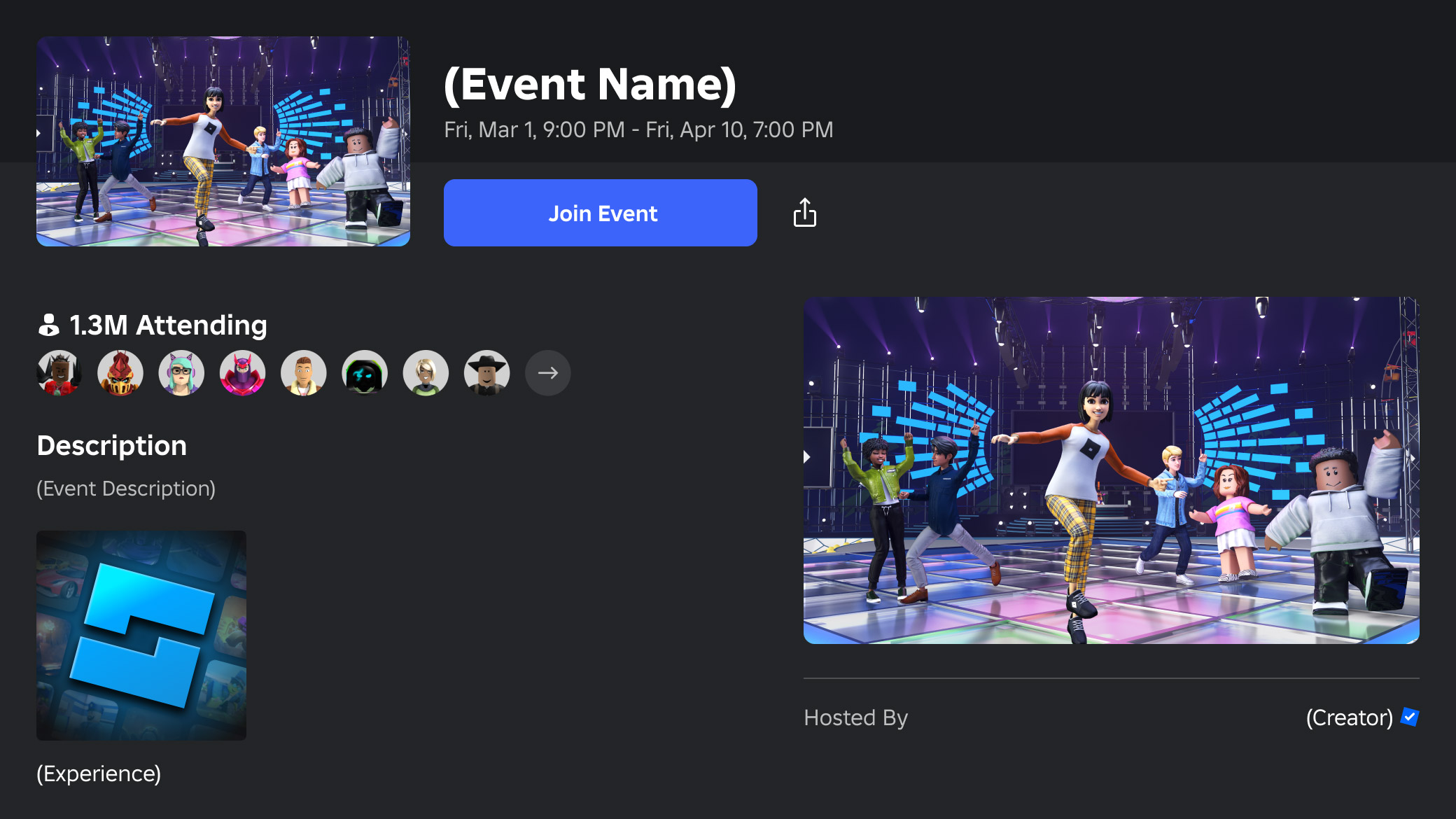
Discover the ultimate 2026 guide on how to make a Roblox event, a comprehensive resource for creators aiming to host engaging and popular in-game experiences. This article dives deep into the strategic planning, meticulous execution, and effective promotion vital for any successful Roblox gathering. We'll explore how to conceptualize unique themes, leverage cutting-edge platform features, and drive maximum player engagement, ensuring your event truly stands out. Learn to navigate the intricacies of a smooth launch, implement robust community outreach, and conduct insightful post-event analysis to foster sustained growth. Master the art of captivating your audience, building a dedicated following, and achieving viral momentum within the expansive Roblox metaverse, transforming your creative vision into a memorable reality.
how to make a roblox event FAQ 2026 - 50+ Most Asked Questions Answered (Tips, Trick, Guide, How to, Bugs, Builds, Endgame)
\n\nWelcome, fellow Roblox creators! You've landed on the ultimate living FAQ for hosting successful Roblox events in 2026. With the platform constantly evolving and new tools emerging, staying ahead is absolutely crucial for maximizing impact. We've meticulously gathered comprehensive insights, practical tips, and clear answers to the most pressing questions about planning, executing, and effectively promoting your Roblox gatherings. This extensive guide is regularly updated to reflect the very latest patches, cutting-edge features, and industry-leading best practices, ensuring your next event isn't just good, but truly legendary. Whether you're a complete beginner sketching your first idea or a seasoned developer refining your strategy, prepare to transform your event concepts into unforgettable player experiences. Let's dive into making your creative vision a vibrant and successful reality within the dynamic Roblox metaverse!
\n\nBeginner Questions
\nHow do I create an event on Roblox Studio from scratch?
\nCreating an event in Roblox Studio starts with a clear concept. Begin by building your core game mechanics, then script event-specific functionality like unique quests or minigames. Use Datastores for tracking player progress and rewards. Consistent testing within Studio is vital before publishing to ensure a smooth, bug-free experience for all players. Focus on a strong foundation.\n\nWhat are the basic steps for planning my first Roblox event?
\nBasic steps involve defining your event's goal, theme, and target audience. Outline specific activities, set a realistic duration, and plan engaging rewards. Create a development timeline, allocate resources effectively, and start promoting early to build anticipation. Remember to conduct thorough testing to minimize issues upon launch.\n\nAre Roblox events free to create or do they cost Robux?
\nCreating a basic Roblox event using Roblox Studio is generally free, leveraging its powerful development tools. However, costs can arise from extensive advertising campaigns, hiring specialized scripters or builders, or purchasing premium assets to enhance your event. Investing in promotion or advanced features often requires Robux, depending on your ambition and scope.\n\nHow can I make my Roblox event appealing to new players?
\nTo appeal to new players, design your event with easy-to-understand mechanics and clear objectives. Offer introductory challenges, provide helpful tutorials, and ensure rewards are visible and enticing. Partnering with popular experiences or influencers can also help attract a fresh audience who might be unfamiliar with your game.\n\nWhat essential Roblox Studio features are needed for event creation?
\nEssential Roblox Studio features include scripting with Lua for dynamic event mechanics, utilizing the Terrain Editor for unique environments, and leveraging Datastores for player progress. UI design tools are crucial for clear event interfaces, while animation and sound services significantly enhance the immersive experience. Effective use of these tools ensures engaging content.\n\nPlanning Your Event Vision
\nHow do I choose a compelling theme for my Roblox event?
\nChoose a compelling theme by considering current trends, your game's existing lore, and what excites your target audience. A unique theme makes your event memorable. Brainstorm ideas that allow for diverse activities and visually appealing assets, ensuring it aligns with player expectations and sparks genuine interest.\n\nWhat's the best strategy for setting event goals and objectives?
\nThe best strategy for setting event goals involves using the SMART framework: Specific, Measurable, Achievable, Relevant, and Time-bound. Clearly define what you want to achieve (e.g., player retention, new users, monetization) and establish metrics to track progress. This ensures a focused and effective event design.\n\nHow important is community feedback during the planning phase?
\nCommunity feedback is incredibly important during planning. Engaging your player base through polls or early beta tests helps gauge interest, identify potential issues, and ensure your event resonates with them. This collaborative approach fosters loyalty and provides valuable insights, leading to a more successful and well-received final product.\n\nWhat kind of event types perform best on Roblox in 2026?
\nIn 2026, events with unique interactive experiences, collaborative challenges, and narrative-driven quests tend to perform best. Battle Royale, RPG, and MMO-style events with limited-time rewards also maintain high engagement. Leveraging social elements and fostering competition within a fun environment consistently drives player participation.\n\nHow can I ensure my event is unique and stands out in the crowded Roblox metaverse?
\nEnsure your event stands out by offering truly novel gameplay mechanics or a captivating storyline not seen elsewhere. Incorporate unexpected twists, collaborate with unique creators, and deliver exclusive, high-value rewards. A strong visual identity and an element of surprise can significantly boost distinctiveness and player interest.\n\nDesigning Engaging Gameplay
\nWhat makes an event task feel fun versus a tedious grind?
\nAn event task feels fun when it offers novelty, clear progression, and meaningful rewards, contrasting with a tedious grind. Introduce varied challenges, ensure fair difficulty, and provide regular feedback on player progress. Avoid overly repetitive actions and balance effort with the perceived value of the rewards for sustained enjoyment.\n\nHow can I incorporate social elements to boost player engagement?
\nIncorporate social elements by designing cooperative challenges, shared objectives, and leaderboards that encourage friendly competition. Create designated social hubs within your event space where players can interact, trade, or just hang out. Features like in-game messaging or voice chat integration further foster community bonds.\n\nWhat types of rewards are most effective for Roblox events?
\nMost effective rewards include exclusive cosmetic items, unique titles or badges, limited-edition in-game currency, and rare virtual items. Tiered reward systems, where higher effort yields better prizes, motivate continued participation. Ensure rewards are genuinely desirable and feel valuable to your specific player base.\n\nHow do I balance difficulty to keep both beginners and pros engaged?
\nBalance difficulty by offering multiple tiers of challenges or optional hard modes. Provide accessibility options for beginners while including intricate puzzles or high-skill gameplay for pros. Ensure rewards scale with difficulty, so all player segments feel adequately challenged and rewarded for their efforts, promoting broad engagement.\n\nCan event gameplay translate well across different device types?
\nYes, event gameplay can translate across different device types with careful design. Prioritize responsive UI, optimized controls for touch and keyboard/mouse, and ensure performance is stable on mobile devices. Simplify complex interactions for smaller screens while maintaining depth for PC players, providing a seamless cross-platform experience.\n\nTechnical Prep & Settings Optimization
\nHow do I minimize lag and FPS drop issues during a popular event?
\nMinimizing lag and FPS drop involves rigorous settings optimization and server management. Optimize scripts, reduce unnecessary asset loading, and use efficient lighting techniques. Pre-scale your server capacity for expected player loads and have a contingency plan for unexpected spikes. Encouraging players to adjust their in-game graphics settings can also help.\n\nWhat role do player drivers and system optimization play in event performance?
\nPlayer-side drivers and system optimization are crucial for smooth event performance. Outdated graphics drivers can cause stuttering fix issues and low FPS. Encourage players to update their drivers and close background applications for better performance. Developers should optimize game assets to run well across various hardware specifications, minimizing client-side lag.\n\nHow can I perform effective load testing for my event servers?
\nPerform effective load testing by simulating various player counts and interactions on a test server before launch. Utilize specialized tools or create custom scripts to generate virtual users. Monitor server performance metrics like Ping, CPU usage, and memory consumption to identify bottlenecks and ensure stability under heavy traffic.\n\nWhat are common causes of stuttering fix and graphical glitches in Roblox events?
\nCommon causes of stuttering fix and graphical glitches include unoptimized assets, excessive script activity, and inefficient rendering techniques. Poorly managed particle effects, unanchored parts, and memory leaks can also contribute. Rigorous testing and profiling in Roblox Studio help identify and resolve these performance bottlenecks proactively.\n\nHow can I optimize my game's settings to prevent crashes during peak event times?
\nOptimize your game's settings by reducing mesh complexity, simplifying lighting, and streamlining textures. Implement efficient culling systems to only render visible objects. Aggressively manage memory usage, particularly with client-side scripts. These settings optimization strategies help prevent crashes and ensure stability during high player volume.\n\nEffective Promotion & Community Outreach
\nWhat are the most effective channels for promoting a Roblox event in 2026?
\nEffective promotion in 2026 leverages in-game announcements, the official Roblox Events page, and key social media platforms like X, Discord, and YouTube. Collaborating with Roblox influencers and running targeted ad campaigns on relevant platforms can significantly amplify your reach and generate excitement.\n\nShould I collaborate with Roblox influencers for event promotion?
\nYes, collaborating with Roblox influencers is highly recommended for event promotion. They have established audiences that trust their recommendations, providing authentic reach. Choose influencers whose content aligns with your event's theme and target demographic for maximum impact and a higher return on investment.\n\nHow do I create compelling teaser content for my event?
\nCreate compelling teaser content by showcasing intriguing snippets of gameplay, unique rewards, or mysterious lore without revealing everything. Use high-quality visuals, dynamic music, and engaging text. Build hype through a series of short videos, images, or cryptic messages released periodically to maintain anticipation.\n\nWhat's the role of Discord and social media in event outreach?
\nDiscord and social media are crucial for event outreach, serving as direct communication hubs. Discord allows for real-time updates, Q&A sessions, and community building, while platforms like X and YouTube are excellent for wider announcements, viral marketing, and showcasing visual content. Consistent engagement is key.\n\nHow can I sustain hype for my event throughout its duration?
\nSustain hype by implementing a staggered release of content, new challenges, or surprise rewards throughout the event. Host live streams, Q&A sessions with developers, and encourage player-created content. Regular updates on social media and in-game announcements keep players informed and excited for what's next.\n\nSmart Monetization Strategies
\nWhat are ethical ways to monetize my Roblox event?
\nEthical monetization focuses on optional value-added purchases that enhance the experience without creating a "pay-to-win" scenario. Offer exclusive cosmetic items, battle passes with unique progression, or convenience items like experience boosters. Ensure free-to-play players can still fully enjoy and complete the event, fostering fairness.\n\nCan I offer a Battle Pass for my Roblox event? What should it include?
\nYes, a Battle Pass is an excellent monetization strategy for events. It should include a mix of free and premium tiers, offering exclusive cosmetics, currency, and unique items. Ensure the premium track provides significant value for its cost, encouraging engagement and repeat purchases over the event's duration.\n\nHow do I price event-exclusive items fairly for my audience?
\nPrice event-exclusive items fairly by researching similar offerings on Roblox and considering your target audience's purchasing power. Balance perceived value with affordability, ensuring items are desirable but not prohibitively expensive. Limited-time discounts or bundles can also encourage purchases without devaluing items.\n\nWhat's the difference between pay-to-win and pay-for-convenience?
\nPay-to-win directly offers competitive advantages for real money, disrupting game balance. Pay-for-convenience, conversely, offers time-saving benefits or cosmetic enhancements without impacting competitive fairness. Examples include XP boosts or exclusive skins, allowing players to progress faster or customize their experience without gaining an unfair edge.\n\nHow can I encourage spending without alienating free-to-play players?
\nEncourage spending without alienation by providing compelling free-to-play content that is genuinely fun and rewarding. Offer optional premium purchases that enhance aesthetics or convenience, never essential gameplay. Regularly engage with the free-to-play community, showing appreciation and ensuring they feel valued within your event structure.\n\nHandling Live Event Challenges & Bugs
\nWhat's the best approach to handling unexpected bugs during a live event?
\nThe best approach is to have a dedicated rapid response team monitoring live feedback and logs. Prioritize game-breaking bugs that affect many players, then communicate transparently about known issues and ongoing fixes. Implement temporary workarounds if possible, and ensure a swift patching process to maintain player trust.\n\nHow do I communicate effectively with players about issues or downtime?
\nCommunicate effectively by using multiple channels: in-game announcements, Discord, and social media. Be honest and transparent about the problem, its impact, and what steps are being taken. Provide regular updates, even if it's just to say you're still working on it. Clear communication reduces frustration and builds player trust.\n\nShould I offer compensation for major event disruptions?
\nYes, offering compensation for major event disruptions is a good strategy for maintaining player goodwill. This could include free in-game currency, exclusive items, or experience boosters. The gesture shows you value their time and experience, helping to mitigate negative sentiment and encourage continued participation.\n\nWhat kind of rollback plan should I have for critical event failures?
\nA critical event failure rollback plan involves having recent backups of player data and server states. Be prepared to revert to a stable version of your game if a bug proves unfixable in real-time. Communicate the rollback clearly and explain the reasons, ensuring minimal loss of player progress if necessary.\n\nHow can I proactively identify potential exploits before event launch?
\nProactively identify exploits by conducting thorough internal testing and inviting a closed group of testers to try and break the event. Offer bug bounties for discovering critical exploits. Analyze player behavior from previous events for common exploit patterns and implement robust server-side validation to prevent cheating.\n\nMeasuring Success & Post-Event Analysis
\nWhat key metrics define a successful Roblox event?
\nKey metrics defining a successful Roblox event include peak concurrent players, average session duration, new player acquisition, and overall player retention post-event. Monetization conversion rates, community sentiment, and completion rates of event challenges are also vital indicators of engagement and profitability.\n\nHow do I analyze player retention after an event concludes?
\nAnalyze player retention by tracking how many event participants continue playing your game days, weeks, and months later. Compare their retention rates to regular new players. Identify factors that encouraged long-term engagement versus those who churned, using data from Roblox Analytics and player surveys.\n\nWhat tools can help me track event performance data?
\nRoblox Analytics provides robust in-platform tools for tracking event performance data, including player counts, session times, and monetization. External analytics dashboards or custom logging within your game can offer deeper insights into specific event mechanics. User surveys and community feedback also provide valuable qualitative data.\n\nHow can feedback from post-event surveys improve future events?
\nFeedback from post-event surveys is invaluable for improving future events. It highlights what players loved and disliked, identifies bugs missed during testing, and reveals unmet expectations. Use this direct player input to refine your design process, ensuring your next event addresses past shortcomings and maximizes player satisfaction.\n\nWhat's the long-term impact of a successful Roblox event on my game?
\nThe long-term impact of a successful Roblox event includes sustained player growth, increased community loyalty, and enhanced brand recognition within the metaverse. It can lead to higher average revenue per user (ARPU) and provide valuable data for future game development and strategic planning, solidifying your game's position.\n\nAdvanced Concepts & Future Trends
\nHow can AI, like frontier models, enhance event creation in 2026?
\nIn 2026, AI frontier models such as o1-pro or Llama 4 Reasoning can significantly enhance event creation by generating dynamic quest content, personalizing player experiences, and creating intelligent NPCs. They can also assist with balancing event mechanics and real-time moderation, making events more immersive and responsive to player behavior.\n\nWhat are the challenges of hosting multi-game or cross-platform Roblox events?
\nChallenges include coordinating narratives across different experiences, ensuring seamless technical integration for player progress tracking, and managing promotion across diverse player bases. Robust API communication and a centralized reward system are crucial. Overcoming these complexities can lead to massive engagement and cross-pollination of player communities.\n\nHow do I future-proof my event design against rapid platform updates?
\nFuture-proof your event design by building modular systems that are flexible and adaptable. Utilize configuration tables for key variables, stay updated on Roblox's developer roadmap, and regularly test on beta builds. Focus on core mechanics less reliant on volatile features and maintain clean, well-documented code for easier updates.\n\nWhat advanced metrics should I consider for long-term event impact?
\nBeyond basic player counts, advanced metrics for long-term impact include Lifetime Value (LTV) uplift from event participants, churn reduction among existing players, and shifts in community sentiment. Analyze future organic growth rates and sustained increases in daily/monthly active users post-event to gauge true enduring value.\n\nCan virtual reality (VR) integration play a role in future Roblox events?
\nYes, VR integration is poised to play an increasingly significant role in future Roblox events. Immersive VR experiences can offer unparalleled engagement and novelty. Designing events with VR compatibility in mind, leveraging unique spatial interactions, and creating tailored VR content will attract a growing segment of players in 2026 and beyond.\n\nRoblox Event Myths vs. Realities
\nMyth: Only large development teams can create successful Roblox events.
\nReality: While large teams have more resources, many incredibly successful Roblox events have been created by small teams or even solo developers. A brilliant idea, strong execution, and effective community engagement are far more critical than team size for achieving widespread success.\n\nMyth: Events must last a long time to be considered successful.
\nReality: The success of an event is not solely tied to its duration. Shorter, highly concentrated events can generate intense hype and engagement. Longer events risk player fatigue. The key is finding the optimal duration that matches your content and keeps players excited without burning them out.\n\nMyth: All event content needs to be completely new and unique.
\nReality: While novelty is great, not all event content needs to be entirely new. Re-imagined existing mechanics, fresh twists on familiar gameplay, or seasonal re-skins can be highly effective. The key is to offer a refreshing experience that feels special, even if it builds upon existing foundations.\n\nMyth: Promoting an event only matters right before launch.
\nReality: Promoting an event only before launch is a common pitfall. Effective promotion is a continuous strategy, starting with teasers well in advance, building hype pre-launch, and maintaining communication throughout the event's duration. Consistent outreach keeps the event top-of-mind for players.\n\nMyth: Once an event ends, its impact disappears quickly.
\nReality: A well-designed event can have lasting positive impacts, including increased player retention, a more engaged community, and sustained game visibility. By integrating event rewards or lore into your permanent game, you can ensure its influence continues long after the specific event period concludes.\n\nStill have questions about how to make a Roblox event truly shine? Keep an eye on our blog for more in-depth guides, including 'Advanced Scripting for Roblox Events' and 'Mastering Roblox Analytics for Game Growth'. We're always here to help you turn your Roblox dreams into dazzling realities!
Ever wondered how those massive Roblox events come to life? You're not alone! Many aspiring creators ask, "How do I even start making a successful event on Roblox?" It's a question I hear all the time, especially with the platform's incredible growth in 2026. This isn't just about scripting; it's about vision, community, and a touch of magic. Let's pull back the curtain on how to make your Roblox event the talk of the town, from concept to dazzling execution, ensuring you minimize things like FPS drop and create an experience players won't forget.
\n\nBeginner / Core Concepts
\n- \n
- Q: What even is a Roblox event and why should I make one? \n
- A: A Roblox event is a special, often limited-time, experience within a game or across the platform designed to engage players, attract new ones, and build community. Think of it like a festival or a competition inside your game. You should consider making one because it's an incredible way to boost player numbers, increase retention, and generate buzz. Plus, it can open up exciting new monetization avenues and solidify your game's place in the Roblox ecosystem. I get why this confuses so many people; it's more than just a regular game update, it's a moment. Your game deserves a moment! A well-executed event can bring a massive surge in active users, sometimes even making your game trend on the discover page. This also allows you to test new features or story elements in a controlled, exciting environment.\n
- \n
- Boost player engagement and retention. \n
- Attract new users through promotions. \n
- Explore new monetization opportunities. \n
- Build a stronger, more connected community around your game. \n
- Test innovative game mechanics or narratives. \n
\n\n - Q: Do I need to be a coding genius to create a Roblox event? \n
- A: Absolutely not! While some technical skill definitely helps, you don't need to be a coding prodigy. Roblox Studio offers many user-friendly tools and visual editors. You can use pre-made assets, free models, or even collaborate with scripters and builders. The key is your creative vision and organizational skills, not just raw Lua talent. This one used to trip me up too, thinking everything had to be from scratch. A lot of incredible events leverage existing resources or bring in collaborators for the technical heavy lifting.\n
- \n
- Focus on creative design and concept. \n
- Utilize Roblox Studio's visual tools. \n
- Explore free models and open-source assets. \n
- Consider collaborating with specialized developers. \n
- Remember, an event's success is about the experience, not just the code's complexity. \n
\n\n - Q: What's the first actual step to planning an event after I have an idea? \n
- A: The very first practical step is to define your event's core goal and audience. Are you aiming for new players, or trying to re-engage old ones? What specific action do you want players to take during the event? Once you nail this down, you can outline the event type, duration, and rewards. It's like planning a party; you need to know who's coming and what you want them to do before you pick the music. This foundational clarity guides all subsequent decisions. Without a clear goal, your event might feel aimless and fail to resonate with your target players. Think about the 'why' before the 'how'.\n
- \n
- Identify your primary objective (e.g., player acquisition, retention, monetization). \n
- Determine your target audience (new players, veterans, specific demographics). \n
- Outline the event type (e.g., competition, quest, social gathering, MMO style). \n
- Set a realistic duration and timeline for development. \n
- Plan engaging rewards that motivate participation. \n
\n\n - Q: How do I make sure my event is actually fun and not just a grind? \n
- A: That's the million-Robux question, isn't it? The secret to fun is novelty combined with achievable challenges and meaningful rewards. Don't just re-skin existing mechanics; introduce something fresh, even if it's temporary. Ensure tasks aren't too repetitive, provide clear progress indicators, and make the rewards feel truly valuable to your players. It's about balance. Too easy, and it's boring; too hard, and it's frustrating. I've seen so many events fail because they forgot the "fun" part. Player feedback is gold here.\n
- \n
- Introduce unique gameplay mechanics or twists. \n
- Design challenges that are engaging but not overly difficult. \n
- Ensure a clear sense of progression and achievement. \n
- Offer desirable and exclusive in-game rewards. \n
- Actively solicit and incorporate player feedback during testing phases. \n
\n
Intermediate / Practical & Production
\n- \n
- Q: What kind of technical resources do I need to prepare for an event launch? \n
- A: Oh, this is where many creators stumble! For a smooth event, you'll need robust server stability, optimized scripts, and careful asset management. High player counts can stress servers, so consider pre-scaling or load testing. Your scripts should be efficient to prevent lag (think about those FPS drop issues users complain about during peak times!) and stuttering fix implementation, and all assets must be fully loaded and performant. Also, have a rollback plan ready in case of unexpected bugs. It's not just about building; it's about fortifying your game's infrastructure. Don't underestimate the backend work.\n
- \n
- Perform rigorous server load testing to prevent crashes. \n
- Optimize all event-related scripts for peak performance. \n
- Ensure all visual and audio assets are loaded efficiently. \n
- Develop a contingency plan for rapid bug fixes and rollbacks. \n
- Monitor game performance metrics closely during the event's early stages. \n
\n\n - Q: How important is promotion, and where should I focus my efforts for maximum reach? \n
- A: Promotion is absolutely crucial; even the best event won't succeed if nobody knows about it! You should focus on a multi-channel approach. Start within Roblox by leveraging the 'Events' tab, game updates, and in-game announcements. Outside Roblox, utilize social media platforms like X (formerly Twitter), Discord, and YouTube. Consider collaborating with popular Roblox influencers or community groups. The goal is to create a buzz that spreads naturally, like wildfire. Think about how major studios launch their FPS titles or new MOBA seasons; it's all about consistent, widespread communication and a solid strategy.\n
- \n
- Announce on Roblox's official Event Hub. \n
- Utilize in-game notifications and update logs. \n
- Engage on social media: X, Discord, YouTube. \n
- Partner with Roblox content creators for wider exposure. \n
- Create compelling visuals and teaser trailers. \n
\n\n - Q: What are some effective ways to monetize an event without feeling "pay-to-win"? \n
- A: This is a delicate balance, and you're right to be concerned about "pay-to-win." Effective event monetization often involves offering exclusive cosmetic items, battle passes with unique progression tracks, or convenience items that save time but don't confer competitive advantage. Think about "skip-a-stage" passes for challenging RPG quests or unique character skins for Battle Royale modes. Never lock essential gameplay elements behind a paywall during an event. The goal is value-added content, not forced spending. Players are happy to spend if they feel they're getting something cool and exclusive.\n
- \n
- Offer exclusive cosmetic items (skins, emotes, accessories). \n
- Implement an event-specific Battle Pass with premium rewards. \n
- Sell time-savers or convenience items (e.g., extra currency multipliers). \n
- Avoid direct power advantages that impact competitive fairness. \n
- Ensure free-to-play players can still enjoy and complete the event. \n
\n\n - Q: Should I integrate UGC (User-Generated Content) into my event? If so, how? \n
- A: Integrating UGC can be a phenomenal way to boost community engagement and offer fresh content, especially in 2026 with Roblox's expanding UGC ecosystem. It fosters a sense of ownership among players. You could host a design contest for event-themed items, create player-submitted mini-games, or feature user-designed levels. Just be sure to set clear guidelines, moderate submissions carefully, and properly credit creators. It's a fantastic way to offload some content creation while empowering your community. I've seen this strategy turn indie games into massive successes.\n
- \n
- Host design contests for event-specific virtual items. \n
- Allow players to submit creative builds or artwork to be featured. \n
- Run community polls to choose certain event elements or rewards. \n
- Establish clear submission rules and moderation processes. \n
- Provide proper attribution and recognition to all contributing users. \n
\n\n - Q: How do I handle potential bugs or unexpected issues during a live event? \n
- A: This is a crucial area. No event, no matter how well-tested, is immune to issues. You need a dedicated "war room" approach. Have a small, responsive team monitoring player reports, social media, and internal logs. Prioritize critical bugs that halt progress or break the economy. Communicate transparently with your player base about known issues and estimated fix times. Sometimes, a quick temporary fix or even a brief pause is better than letting a bug ruin the entire experience. Transparency builds trust, and trust is priceless.\n
- \n
- Establish a rapid response team for monitoring and fixes. \n
- Implement robust logging and analytics to quickly identify issues. \n
- Prioritize bugs based on impact (game-breaking, economy-affecting). \n
- Maintain transparent communication with your community. \n
- Have pre-prepared temporary solutions or fallback mechanisms. \n
\n\n - Q: What kind of data should I collect during and after an event to measure its success? \n
- A: Data is your best friend for understanding what worked and what didn't. During the event, monitor concurrent players, average session duration, and key conversion rates (e.g., for event purchases). Post-event, analyze player retention rates, new player acquisition, and overall sentiment. Track which specific event activities were most popular. Tools like Roblox Analytics (and external dashboards) can provide this insight. Don't just look at peak numbers; understand the journey players took. This data informs your next event, making it even better.\n
- \n
- Track concurrent user counts and peak player numbers. \n
- Monitor average session length and player engagement with event content. \n
- Analyze event-specific monetization conversion rates. \n
- Measure new player acquisition and existing player retention. \n
- Gather qualitative feedback through surveys and community discussions. \n
\n
Advanced / Research & Frontier 2026
\n- \n
- Q: How can I leverage AI (e.g., 2026 frontier models) to enhance my event creation and player experience? \n
- A: This is where things get really exciting for 2026, especially with models like o1-pro and Gemini 2.5! You can use AI for dynamic content generation, personalizing player experiences, or even advanced moderation. Imagine AI creating unique questlines on the fly based on player choices, or tailoring event rewards to individual player preferences. It can also power intelligent NPCs, making interactions more immersive. For moderation, AI can identify and flag toxic behavior in real-time, maintaining a positive event atmosphere. The reasoning models are getting scarily good at understanding context.\n
- \n
- Generate dynamic, personalized questlines or challenges. \n
- Tailor event rewards and recommendations based on player behavior. \n
- Create more intelligent and reactive non-player characters (NPCs). \n
- Enhance real-time moderation for a safer community environment. \n
- Analyze player sentiment and feedback at scale for rapid iteration. \n
\n\n - Q: What's the strategy for hosting multi-game or cross-platform events on Roblox? \n
- A: Multi-game and cross-platform events are the pinnacle of Roblox event design, but they require serious coordination. The strategy involves creating a unified narrative or thematic tie-in that connects experiences across different games or genres (like an RPG teaming up with a Battle Royale for a special crossover). Technologically, you'll need robust API communication for tracking player progress across titles and a centralized reward distribution system. Promotion becomes even more critical, as you're reaching multiple player bases. It's ambitious, but the payoff in player excitement and cross-pollination can be huge.\n
- \n
- Develop a compelling, overarching narrative or theme. \n
- Implement robust cross-game data tracking via APIs. \n
- Design a unified system for reward delivery across experiences. \n
- Coordinate promotional efforts across all participating games. \n
- Ensure seamless player transitions between different event locations. \n
\n\n - Q: How do I future-proof my event design against rapid Roblox platform updates in 2026? \n
- A: Future-proofing in 2026 means building with modularity and adaptability in mind. Instead of hardcoding everything, design your event systems to be flexible, using configuration tables or external data stores for key variables. Keep an eye on Roblox's developer roadmap and beta features, integrating new tools early if they offer stability or performance gains. Focus on core mechanics that aren't reliant on hyper-specific, volatile features. Regular testing on the latest Studio builds is also non-negotiable. It's like building with LEGOs; you want pieces that can be easily swapped.\n
- \n
- Design modular event systems with flexible configurations. \n
- Stay informed about Roblox's developer roadmap and upcoming features. \n
- Prioritize core mechanics that are less prone to breaking changes. \n
- Regularly test your event on the latest Roblox Studio beta releases. \n
- Maintain well-documented code for easier updates and maintenance. \n
\n\n - Q: What advanced metrics beyond player count should I consider for long-term event impact? \n
- A: Beyond simple player counts, for long-term impact, you should delve into metrics like "LTV uplift" (Lifetime Value of players acquired/re-engaged by the event), "churn reduction" among existing players, and "community sentiment shift" (qualitative analysis of forum/social media discussions). Look at how the event affects future organic growth and the average time players spend in your game after the event concludes. Are players returning more frequently? Are they bringing friends? This reveals true, sustained value, not just a temporary spike.\n
- \n
- Analyze Lifetime Value (LTV) of event-acquired or re-engaged players. \n
- Measure churn reduction rates for existing player segments. \n
- Conduct sentiment analysis on community discussions and feedback. \n
- Track post-event organic player acquisition rates. \n
- Evaluate sustained increases in daily/monthly active users after the event. \n
\n\n - Q: Can frontier models like Llama 4 Reasoning help with automated event content generation or balancing? \n
- A: Absolutely, Llama 4 Reasoning, with its advanced contextual understanding, is a game-changer for automated event content and balancing in 2026. You could feed it your game's lore, mechanics, and player data, and it could generate unique quest descriptions, NPC dialogue, or even suggest balanced reward structures for your event. Imagine it identifying potential "exploit" scenarios in your event design and proposing fixes before launch! It's like having a super-smart design assistant. Just remember, the AI is a tool; your human oversight is still essential for true creativity and ensuring it aligns with your vision.\n
- \n
- Generate lore-consistent quest descriptions and narratives. \n
- Create dynamic NPC dialogue and event specific character backstories. \n
- Suggest balanced reward structures to prevent economic disruption. \n
- Identify potential exploits or unintended gameplay loops in event design. \n
- Assist in brainstorming new event mechanics or thematic elements. \n
\n
Quick 2026 Human-Friendly Cheat-Sheet for This Topic
\n- \n
- Start with a clear goal for your event: more players, more engagement, more fun! \n
- Keep it fresh and exciting, don't just recycle old ideas. \n
- Promote everywhere: in-game, social media, influencers. Make some noise! \n
- Test, test, then test some more to squash those bugs before launch. \n
- Offer cool, exclusive rewards that aren't pay-to-win. \n
- Listen to your community; their feedback is invaluable. \n
- Don't be afraid to use new tech like AI for creative boosts. \n
- Have a plan for glitches; they happen to the best of us. \n
Planning Roblox event 2026, Event creation tips, Roblox promotion strategies, Player engagement techniques, Monetization in Roblox, Post-event analysis, Roblox community building, Leveraging new features, Settings optimization, Lag reduction.