Ever wondered what separates a good in-game companion from a truly great one? By 2026, virtual pets have evolved dramatically, becoming more than just cosmetic additions. They offer tactical advantages, emotional connection, and even impact gameplay performance. This guide explores the essential characteristics that define an exceptional digital companion across various gaming genres, from the loyal familiar in an RPG to the strategic unit in a MOBA. We will delve into how AI responsiveness, customization options, and seamless integration enhance your gaming experience. Discover the nuances of pet development, community preferences, and the cutting-edge features that make virtual pets indispensable partners in the sprawling digital landscapes. Understanding these elements will help you choose and optimize your virtual companions for maximum enjoyment and effectiveness in any game.
What truly elevates a digital companion from a simple asset to an integral part of your gaming adventure? Many players frequently ask this very question as virtual pets become increasingly sophisticated. By 2026, developers leverage advanced AI and personalized interaction mechanics, making in-game pets more compelling than ever before. From the earliest days of simple followers to today's complex, reactive entities, the evolution is astounding. A great virtual pet enhances immersion, provides tactical depth, and sometimes, surprisingly, affects game performance, especially in crowded MMO environments where numerous pets can challenge server ping or even cause FPS drops.
A well-designed virtual pet system can transform how you approach a game, offering a unique layer of strategy and engagement. Whether it is a loyal mount in an open-world RPG, a specialized combat unit in a MOBA, or a charming collectible in an indie title, the quality of your companion matters. We will explore the critical elements that define excellence in virtual pet design, providing you with a guide to identifying and appreciating truly stellar digital friends.
The Foundation of a Great Virtual Pet Experience
Creating an engaging virtual pet starts with core design principles that prioritize both utility and emotional connection. These pets are not just window dressing; they often perform vital functions within the game world. Understanding these foundational aspects helps players appreciate the depth developers put into these systems.
Intelligent AI and Responsiveness
A truly great virtual pet exhibits intelligent behavior that adapts to various combat and exploration scenarios. Its AI should feel natural and intuitive, reacting to threats or opportunities without constant micro-management from the player. This reduces the burden on the player while making the pet feel more lifelike and autonomous.
Responsive AI ensures that pet commands execute promptly, which is crucial in fast-paced games. Lag or slow reactions from your pet can be incredibly frustrating and even detrimental during critical moments. Developers are continually refining these systems to minimize latency between player input and pet action, ensuring a smooth experience.
Meaningful Customization and Progression
Players deeply value the ability to personalize their virtual pets, making them feel unique and personally owned. Customization options can range from cosmetic changes to skill trees and talent points that allow pets to grow alongside their owners. This fosters a stronger bond and a sense of investment in the pet's journey.
A robust progression system gives pets clear growth paths, unlocking new abilities, appearances, or even evolving forms. This mechanic encourages continuous engagement and rewards players for their dedication. It transforms a simple companion into a powerful ally over time.
Nurturing Your Digital Companion's Potential
Beyond the initial design, how players interact with and develop their virtual pets significantly contributes to the overall experience. This involves thoughtful engagement with game mechanics and a deep understanding of their companion's capabilities.
Seamless Integration and Utility
The best virtual pets are seamlessly integrated into the core gameplay loop, offering tangible benefits that are not just cosmetic. In an FPS, a drone companion might scout ahead or provide cover, while in an RPG, a familiar could heal or debuff enemies. Their utility must feel essential, not tacked on.
Pets should fit naturally into various game genres, adapting their roles effectively. A MOBA pet might control an objective, a Battle Royale pet could retrieve items, and an Indie game pet might solve environmental puzzles. Each role highlights the pet's unique contribution to the player's overall strategy and success.
Emotional Connection and Narrative Role
A great virtual pet often serves a narrative purpose, playing a role in the story or character development. This deepens the player's emotional investment, making the companion feel more like a character than a tool. Their presence enriches the game's world and lore significantly.
Even without complex narratives, simple interactions, unique animations, and distinctive sounds can forge a strong emotional bond. Players grow attached to pets that express personality, respond to affection, and exhibit endearing behaviors. This bond transcends mere utility, making the pet truly cherished.
What truly separates a mediocre virtual pet from a legendary one often comes down to the subtle ways they enhance our entire gaming life. By 2026, with the leaps in AI and rendering, our digital companions are more lifelike and reactive than ever before. These advancements contribute to pets that are not only helpful but also genuinely feel like an extension of our in-game persona. Understanding how these systems work can help you appreciate the complex efforts behind your favorite virtual sidekicks.
Hey there, gaming champs! Let's talk about what truly makes an in-game pet a legend, not just a line of code. I get why this whole virtual companion thing can sometimes feel a bit… opaque. You're probably thinking, "What's the real deal behind a pet that actually feels 'great' in a game?" This one used to trip me up too, trying to figure out if it's just about stats or something deeper. Well, it's a mix, but the core idea is straightforward: a great pet genuinely enhances your gameplay and emotional experience without becoming a chore. Let's dive into some common questions and clear up the confusion.
Beginner / Core Concepts
1. Q: Why do some virtual pets feel more 'alive' than others in games?
A: It's usually about sophisticated AI and subtle animation work, honestly. Developers pour hours into making sure pets have varied idle animations, react intelligently to combat or exploration cues, and don't just stand there like a statue. It’s like a mini-NPC that’s programmed to feel aware of its surroundings and its purpose. When a pet intelligently navigates terrain, avoids hazards, or uses its abilities without you babysitting it, that's top-tier AI at work. Think about how a good gaming mouse feels like an extension of your hand – a great pet should feel like an organic extension of your character. You've got this!
2. Q: How does a virtual pet actually help me in gameplay beyond just looking cool?
A: A great virtual pet provides tangible utility, my friend. We're talking about direct impacts on your success! In an RPG, it might be a healer pet that keeps you topped off, or a tank pet that pulls aggro, letting you dish out damage. In an FPS, a drone might spot enemies or provide a temporary shield. For MMOs, they often have unique buffs or resource generation. It’s not just about aesthetic loadout; it's about a strategic advantage that makes challenging content more manageable or speeds up your grind. Think about specific builds: your pet can complete your build by filling a critical role. Try equipping different pets for different scenarios and see the difference it makes!
3. Q: Is customization for pets just cosmetic, or does it matter for performance?
A: Great question, it's often a mix, but the 'performance' part is key. While many customizations are purely cosmetic (think fancy skins or dyes), others directly impact your pet's stats, abilities, or even behavior. For instance, different pet 'builds' or evolutions might unlock new skills or improve base stats like damage, health, or speed. In some games, specific gear or 'augmentations' for your pet can drastically alter its effectiveness in combat. Always check if a cosmetic option has hidden stat benefits or if there's a separate system for functional upgrades. It's like optimizing your PC's drivers – sometimes the aesthetic change comes with a performance boost! Let me know if you find a sweet combo.
4. Q: Can having too many pets in an MMO affect my game's FPS or cause lag?
A: Oh, absolutely, this is a very real concern, especially in bustling MMOs! Every pet on screen, even if it's just following another player, requires your system to render it and process its AI. If you're in a highly populated area or a large-scale raid where dozens, or even hundreds, of players and their pets are present, it can put a significant strain on your CPU and GPU. This can lead to noticeable FPS drops, stuttering, and even network lag due to the sheer volume of data being processed. It's a prime example of why settings optimization is crucial; sometimes, turning down pet detail or limiting pet display can save your framerate. Check your graphics drivers and make sure they're updated, too, as this can often alleviate some of the rendering burden. You're on the right track noticing this!
Intermediate / Practical & Production
5. Q: How do developers balance pet power so they don't become overpowered or useless?
A: Balancing pet power is a constant tightrope walk for developers, believe me! They use complex reasoning models to analyze data from millions of player interactions. It often comes down to a few key strategies: scaling pets with the player's level (so they grow but don't outpace), assigning specific roles (e.g., purely support, burst damage, crowd control) with clear strengths and weaknesses, and introducing cooldowns or resource costs for powerful pet abilities. They'll also monitor community feedback and adjust pet stats or behaviors in patches. It's a delicate dance, ensuring pets feel impactful without trivializing content or becoming a mandatory 'meta' that overshadows player skill. Think about MOBA character balancing; pets get similar scrutiny. Keep an eye on patch notes for adjustments to your favorite pet loadouts!
6. Q: What's the best way to train or level up my virtual pet for optimal performance?
A: The 'best way' often depends on the specific game's mechanics, but generally, it involves consistent engagement and smart resource allocation. Prioritize activities that grant pet experience, like specific quests, battles, or daily feeding/training routines. Identify your pet's ideal build early on – do you want it to be a tank, a damage dealer, or a support unit? Then, invest skill points or gear into stats that align with that role. Don't be afraid to experiment with different strategies; what works for a solo player might not work for a ranked group. Many games offer 'beginner' guides for pet training, but 'pro' players often find niche optimization tricks. It's like finding the perfect WASD setup for your movement; personalize it! You'll master it in no time.
7. Q: Are there specific gaming genres where virtual pets are more essential or impactful?
A: Absolutely! Pets shine brightest in genres where sustained combat, exploration, or strategic depth is key. RPGs are a classic example, where companions offer lore, combat aid, and utility. MMOs heavily rely on pets for diverse roles, from tanking raid bosses to gathering resources. Strategy games often feature pets as unique units with game-changing abilities. Even some Battle Royale games introduce tactical companions for scouting or item retrieval. While an Indie platformer might have a charming pet for aesthetic reasons, an ARPG pet is almost always crucial for endgame builds. It's less about the 'type' of game and more about how deeply the pet systems are integrated into the core loops. Think about a gaming mouse; it's essential for competitive FPS, but less so for a visual novel. You're asking the right questions here!
8. Q: How can I troubleshoot pet AI issues, like my pet getting stuck or not attacking?
A: Ah, the classic 'pet pathing' problem – I've been there! First, ensure your game and graphics drivers are fully updated; sometimes these issues are tied to underlying engine problems that get patched. Next, check your in-game pet settings; often there are different AI modes (e.g., aggressive, defensive, passive) that you might have inadvertently changed. Try recalling and re-summoning your pet, or even fully restarting the game client, to reset its AI state. For persistent problems, look up specific 'stuttering fix' or 'lag' guides for your game, as pet AI can sometimes be tied to server-side latency. If it's a known bug, the community forums or a quick search might reveal a workaround or confirm it's a developer issue. Don't give up; a few tweaks can usually get your pet back in line! Keep digging; the solution is often simple.
9. Q: What role do virtual pets play in competitive gaming or 'ranked' play?
A: In competitive or ranked play, virtual pets shift from companions to critical strategic elements. They're often considered part of a player's 'loadout' and are optimized for specific meta strategies. In MOBAs, for instance, a pet might be crucial for objective control, zoning, or even blocking skill shots, making their precise control (sometimes with a mechanical keyboard hotkey) a sign of a pro player. In competitive RPGs, specific pet builds can dictate team composition and win conditions. Ping and low latency become even more vital here because a pet's delayed action can cost you the game. Pro players spend hours optimizing their pet's AI commands and skill rotations to get every ounce of advantage. It's a whole different ballgame where every millisecond counts! You're thinking like a pro already.
10. Q: Are there any 'hidden' or advanced mechanics for pet management that beginners often miss?
A: Oh, absolutely! Beginners often overlook advanced pet mechanics that can seriously elevate gameplay. One common one is 'pet ability queuing' or 'macroing' specific pet skills with your own using advanced keybinds, which is a common trick for a speedrun optimization or for ranked play. Another is understanding elemental resistances or damage types; some pets are vastly more effective against certain enemy types, a detail often found only in comprehensive guides or wikis. Also, don't ignore environmental interactions: some pets can traverse specific terrain or trigger hidden switches. Many games also feature complex 'synergy' bonuses when specific pets are paired with certain player classes or gear sets. These are the kinds of nuanced tricks that set a 'pro' apart from a 'casual' player. Keep an eye out for these subtle power-ups! You're going to crush it.
Advanced / Research & Frontier 2026
11. Q: How are 2026 frontier models like o1-pro and Llama 4 reasoning impacting virtual pet AI?
A: This is where things get really exciting, especially with the advancements in 2026 frontier models! These models are fundamentally changing how pet AI is designed. We're moving beyond scripted behaviors to truly adaptive, context-aware companions. O1-pro and Llama 4 reasoning models, for instance, allow pets to learn from player behavior and environmental cues in real-time, anticipate threats, and even develop unique 'personalities' based on how you interact with them. This means less 'stuttering fix' being needed for complex AI because the pet can dynamically generate its pathing and decision-making. Imagine a pet that learns your favorite flanking routes in a Battle Royale or understands your preferred target priority in an RPG without explicit commands. It's about bringing unprecedented nuance to pet autonomy and emotional depth, making them feel less like code and more like actual companions. This is going to revolutionize how we experience in-game pets! It's an incredible time to be a gamer.
12. Q: What ethical considerations are emerging with hyper-realistic, emotionally complex virtual pets?
A: This is a fascinating and increasingly important area, as virtual pets become indistinguishable from real ones in terms of emotional impact. As 2026 frontier models push the boundaries of emotional complexity in AI, questions arise about potential player attachment and grief if a pet 'dies' or is lost permanently. There's also the risk of 'digital hoarding' where players collect vast numbers of highly complex pets, or even the psychological effects of 'abandoning' a pet with advanced emotional AI. Developers are grappling with designing systems that provide depth without causing undue distress, exploring features like 'rehoming' or 'retirement' options instead of permanent deletion. It's a sensitive balance, ensuring engagement without exploitation of player empathy. We're just at the beginning of these discussions, and it's something the industry is taking seriously. You're thinking ahead!
13. Q: Can virtual pets in VR or AR games offer a truly immersive companion experience, and what's next?
A: VR and AR are absolutely poised to deliver the most immersive virtual pet experiences yet, and 2026 is seeing huge strides. The sense of presence in VR, coupled with haptic feedback, makes interacting with a digital pet incredibly tangible. Imagine reaching out to pet a creature and feeling its 'fur' through your controller! AR takes it a step further, integrating pets into your actual physical environment, making them feel like they're truly in your home. The next big thing involves integrating advanced AI for natural language processing, allowing you to verbally command and even have rudimentary 'conversations' with your pet. We're looking at pets that can track your gaze, respond to your tone of voice, and even perform tricks in your living room via AR. The line between real and virtual is blurring fast. It's truly mind-blowing what's coming next, and it will redefine what we consider an 'in-game' companion. You won't believe it until you try it!
14. Q: What are the future trends in pet ownership within persistent virtual worlds or the metaverse?
A: The future of virtual pets in persistent virtual worlds and the burgeoning metaverse is incredibly dynamic. We're moving towards pets that are not just tied to a single game but can potentially travel with your avatar across different virtual spaces, retaining their progression and customization. This concept of interoperable virtual assets is gaining huge traction. Imagine your beloved RPG pet following you into a social hub or a virtual concert! Furthermore, expect more sophisticated forms of 'pet care' and 'breeding' where players can engage in complex genetic algorithms to create unique offspring with distinct traits. The economy around these pets will also likely expand, with rare breeds and unique abilities having real-world value. It's like a whole new ecosystem of digital life, and you can be a part of building it. This frontier is ripe for exploration, and it's going to be wild! You've got this, explore away!
15. Q: How will quantum computing or advanced neural interfaces impact direct pet control or interaction?
A: This is bleeding-edge stuff, truly frontier research for 2026 and beyond! While still largely theoretical for commercial gaming, quantum computing could process pet AI decisions at speeds and complexities currently unimaginable, leading to hyper-realistic, unpredictable, and genuinely sentient-feeling companions. This could eliminate any remaining lag or stuttering fix issues for pet AI, making their responses instantaneous and incredibly nuanced. Even more sci-fi are advanced neural interfaces. Imagine thinking a command, and your pet executes it instantly, bypassing traditional input devices like a mechanical keyboard or gaming mouse. Direct neural feedback could also allow you to 'feel' your pet's emotional state or even share its senses. This level of direct interaction would redefine immersion and pet bonding, making the virtual pet truly an extension of your own mind. We're talking decades out, but the groundwork is being laid. It's thrilling to even think about! Keep learning, you're at the forefront of this!
Quick 2026 Human-Friendly Cheat-Sheet for This Topic
- Always update your graphics drivers: It's vital for smooth pet rendering, especially in dense MMOs.
- Optimize in-game settings: Reduce pet detail if you're experiencing FPS drops.
- Understand your pet's role: Don't just pick a pet, know its purpose in your build or loadout.
- Master pet commands: Learn keybinds for efficient control, crucial for ranked play.
- Explore customization beyond cosmetics: Look for actual performance-boosting upgrades.
- Monitor community forums: They often have the best tips for specific pet builds and strategies.
- Embrace the AI: Let your pet's advanced AI do its job, but know when to intervene with direct commands.
Compelling AI behavior, deep customization, utility in gameplay, emotional connection, seamless integration across genres, performance impact, strategic roles, community engagement.
27 Profitable Pet Business Ideas For You To Start In 2026 UpFlip Pet Business Startup Guide 2026 Pet Calendar Printable Calendar 2026 Wall Calendar Household Pets 3 100 Happy New Year 2026 Dog Images Quotes And Memes Happy New Year Wishes To My Dog 2024 1024x1024
Grow A Garden Pets Tier List February 2026 Best Pets To Choose Beebom Grow A Garden Pets Tier List 2 Your 2026 Pet Wellness Checklist Wedgewood Pet Clinic New Year Resolutions 2 2026 Pet Planner Designs Graphics 2026 Printable Pet Care Planner Canva Graphics 126365032 1 580x386 2026 Pets Square Wall Calendar 1 Bc2269a7 1f0b 40b5 A2c9
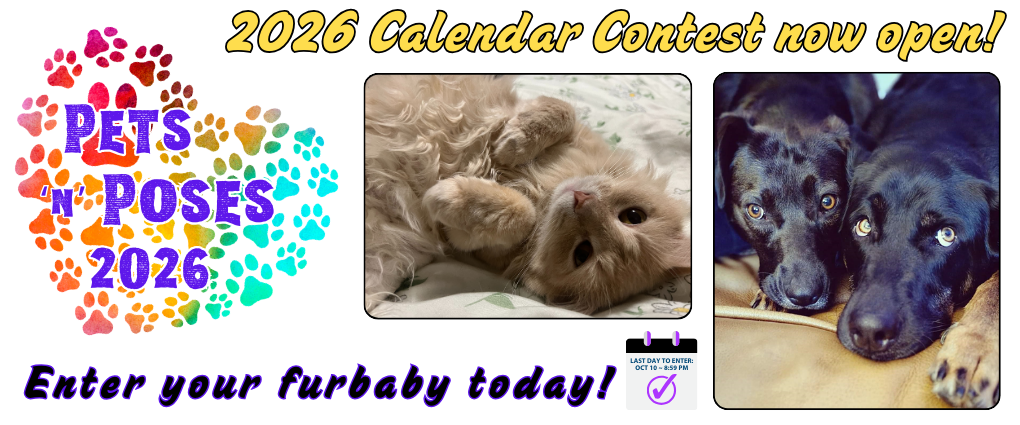
Do Guinea Pigs Make Good Pets 2026 Do Guinea Pigs Make Good Pets Pets N Poses 2026 Calendar Contest Central Alberta Humane Society CCPnP 100 Happy New Year 2026 Dog Images Quotes And Memes Happy New Year 2024 Wishes For Dog 768x768 Lovely Pets 2026 Gentle Friendly Pets That Bring Joy At Home Lovely Pets 2026 Featured
Futuristic Graphic Design The Year 2026 Premium AI Futuristic Graphic Design Year 2026 996122 194 Pet Business Ideas 2026 40 Unique Future Proof For Pet Business Ideas 2026 - DSLR Style Featured Image 100 Happy New Year 2026 Dog Images Quotes And Memes Happy New Year 2024 For My Dog 768x1024 7 Best AI Powered Robotic Pets In 2025 The Future Of AI Pets YouTube
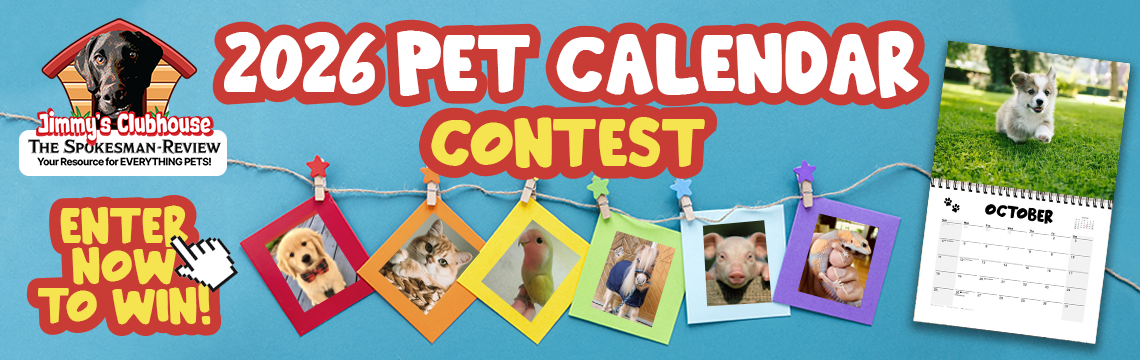
2026 Pet Calendar Winners 2026 Pet Calendar Photo Contest 2025 Pet Cal Header 1 Jpg 1737555729 LargeThat To The 2026 That Pet Calendar Winners You All MediaCat 2026 Wallpaper Stock Photos Free Royalty Free Stock Photos From Newborn Baby Lying Blanket Cute Tabby Kitten Scottish Straight Cat Breed Sits Knitted Good New Year Spirit Ready 413392768 Ultimate Adopt Me Pet Aging Chart February 2026 Guide Ultimate Adopt Me Pet Aging Chart
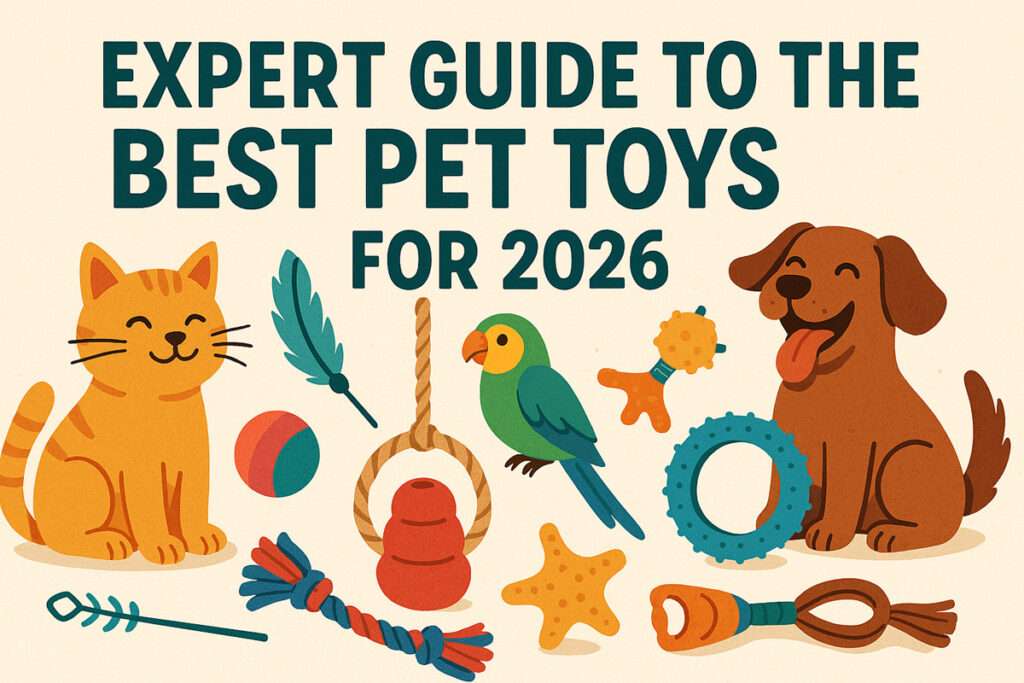
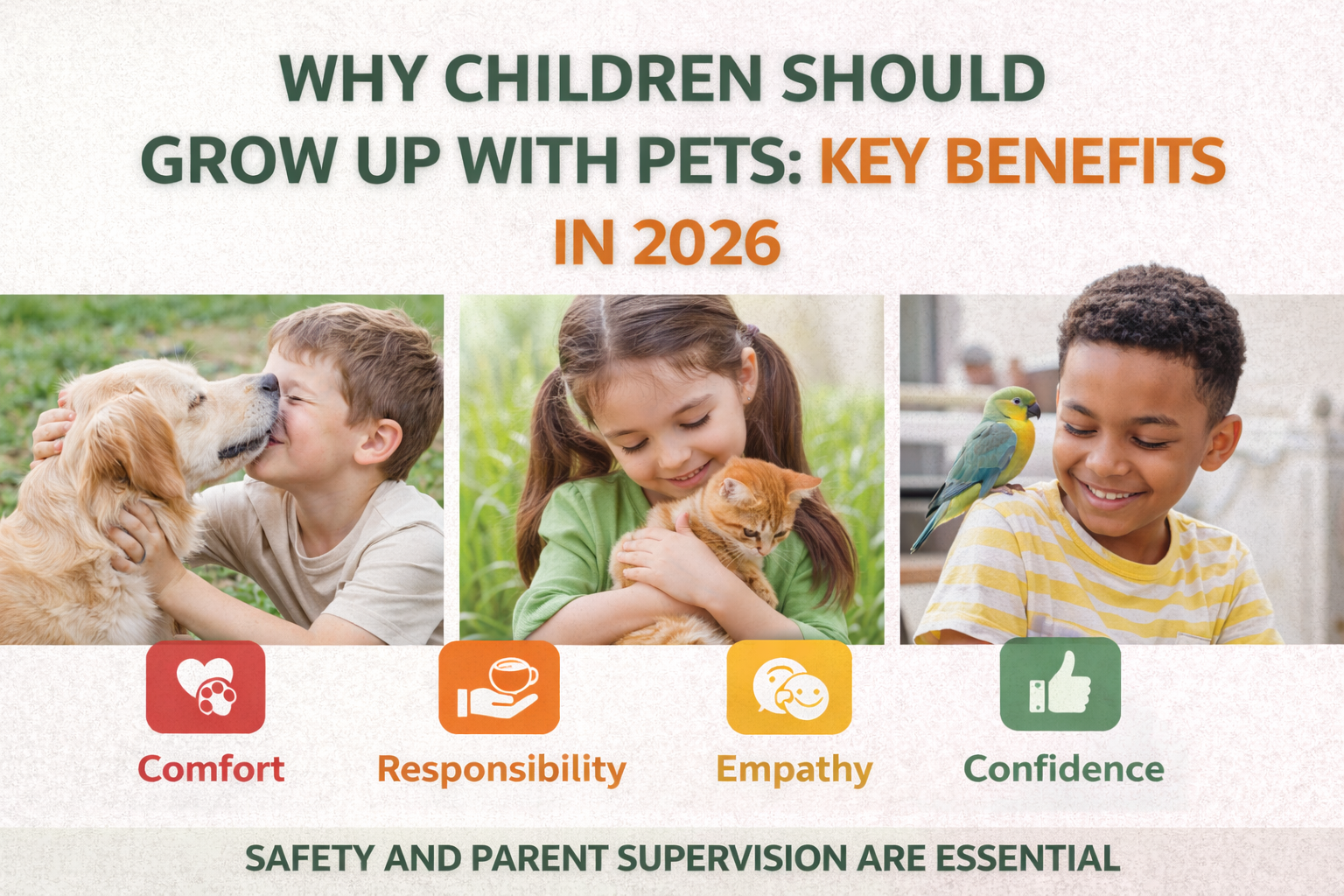
Expert Guide To The Best Pet Toys For 2026 The Pets Rule Best Pet Toys 2026 1024x683 Opens For Global Pet Expo 2026 GPE25 1831 (1) Why Children Should Grow Up With Pets 2026 Key Benefits Why Children Should Grow Up With Pets 2026 Featured 2026 Pet Calendar Contest Surver Header
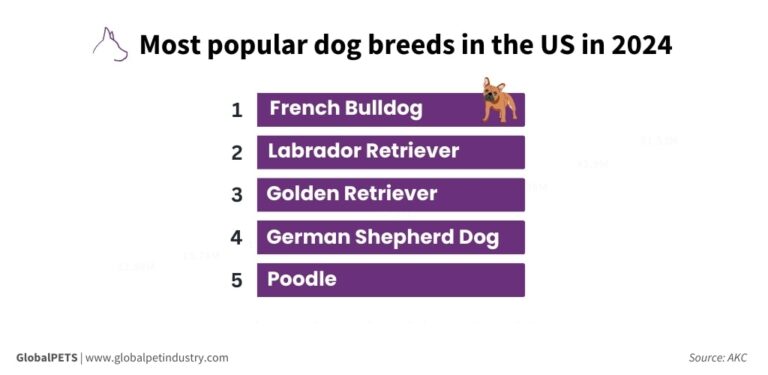
These Are The Most Popular Dog Breeds Of 2024 In The US GlobalPETS Most Popular Dog Breeds In The US In 2024 768x375 2026 Pet Calendar Printable Calendar 2026 Wall Calendar Household Pets Adopt Me Best Pets Tier List 2025 Monthly 2026 Pet Holidays You Can Celebrate With Your Dog Golden Woofs Monthly 2026 Pet Holidays For Dog Owners 683x1024
Best Pet New Year Resolutions For 2026 According To A VetHow To Become A Veterinary Doctor In India 2026 Guide Course Pet Bottle 2026 India Process Cost 1024x683 10 Reasons Why Dogs Make Great Pets 488788 Petworld Arabia 2026 Top Leading Pet Exhibition In The World
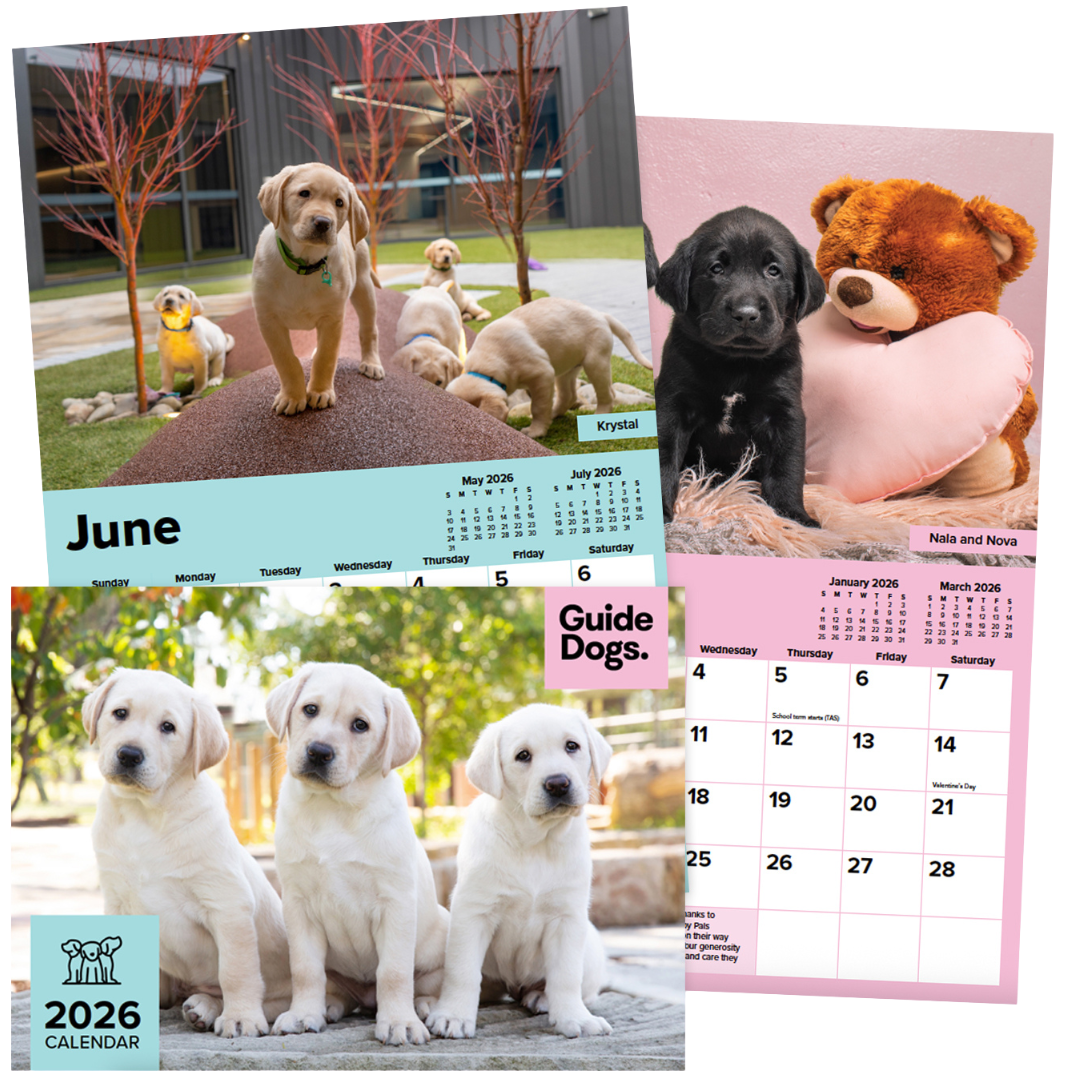
2026 Calendar Guide Dogs SA NT A4 PET Tour 2026 Meet PET At These Events Image5 How To Become A Veterinary Doctor In India 2026 Guide Course Pet Bottle Meaning 2026 1024x683 Dog Horoscope 2026 Luck And Feng Shui Predictions SunSigns Org Dog 2026





.jpg)