Diving into the world of Steam for Mac games can be an incredibly rewarding experience for dedicated players everywhere. This comprehensive guide navigates optimizing your Apple device for peak gaming performance today. Discover essential settings adjustments, troubleshoot common issues like FPS drops or network lag, and learn to maximize your Macs capabilities. We explore driver updates, system configurations, and practical tips ensuring smoother gameplay across various genres. From intense FPS titles to immersive RPGs and strategic MOBAs, your Mac can truly shine. Uncover secrets to conquer stuttering, eliminate ping spikes, and achieve a truly fluid gaming session. This detailed resource provides valuable insights for both new and experienced Mac gamers seeking an edge in 2026 and beyond. Prepare to transform your Mac into a formidable gaming machine, ready for any challenge Steam throws its way. Understand optimization for every type of game including Battle Royale Indie and MMO titles. This is your ultimate guide.
Hey everyone, what's up? I get why so many of you are asking, "Can my Mac actually handle serious Steam gaming?" It's a question that used to trip up even seasoned tech enthusiasts like me. Especially with Apple's traditional focus on productivity rather than raw gaming power.
But let me tell you, with the right approach and a few clever tweaks, your Mac can absolutely become a surprisingly capable gaming rig for a huge library of Steam titles in 2026. We're talking about more than just casual indie games here. Modern Macs, especially those rocking Apple Silicon, possess significant graphical horsepower that can drive many demanding titles quite well. It's all about understanding the ecosystem and applying smart optimization strategies.
Youre probably wondering how to squeeze every last frame out of your machine and banish that frustrating lag for good. We’re going to dive deep into exactly that, covering everything from core concepts to advanced tweaks. You’ve got this, and I’m here to help you nail it.
Beginner / Core Concepts
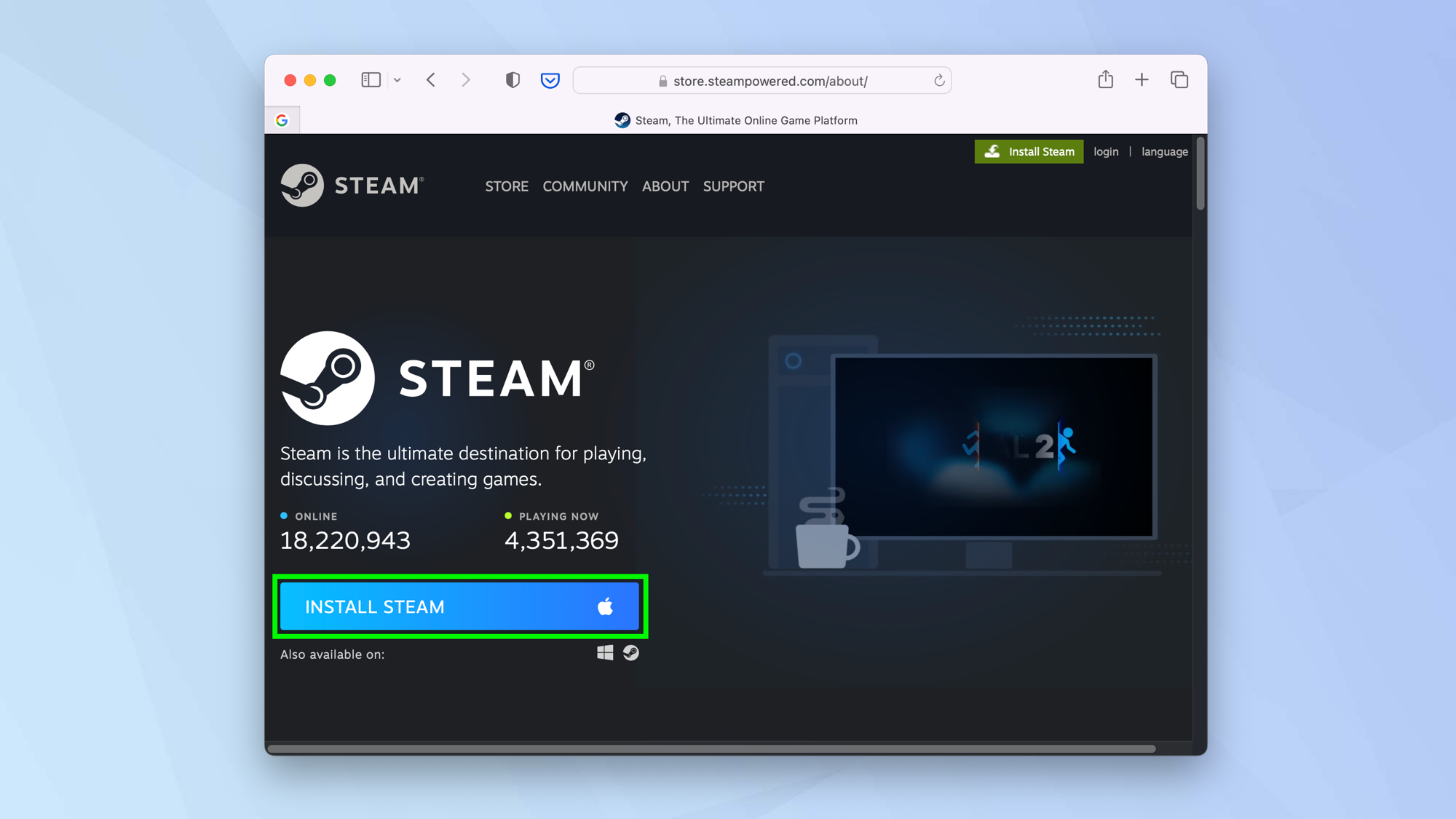
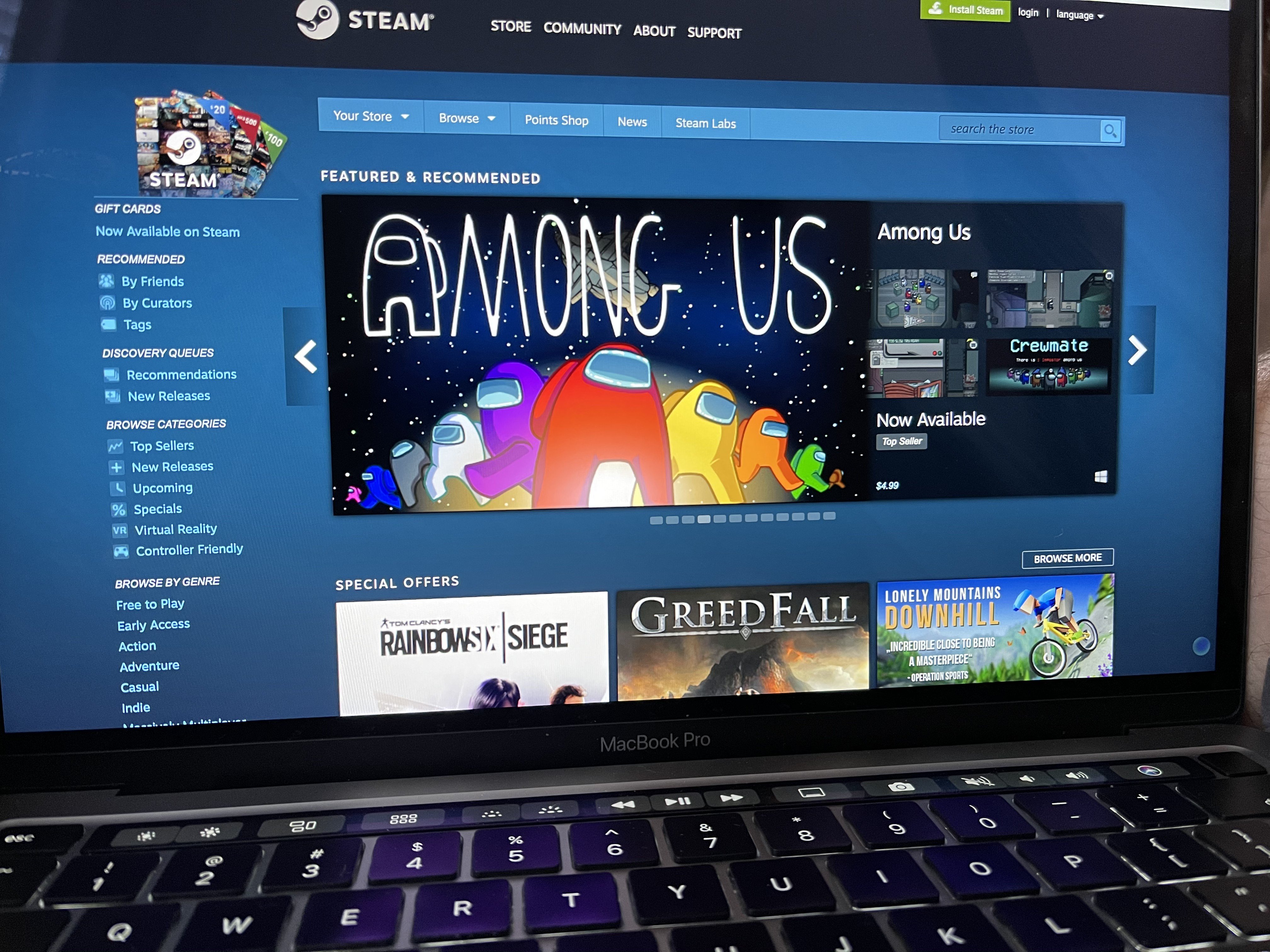
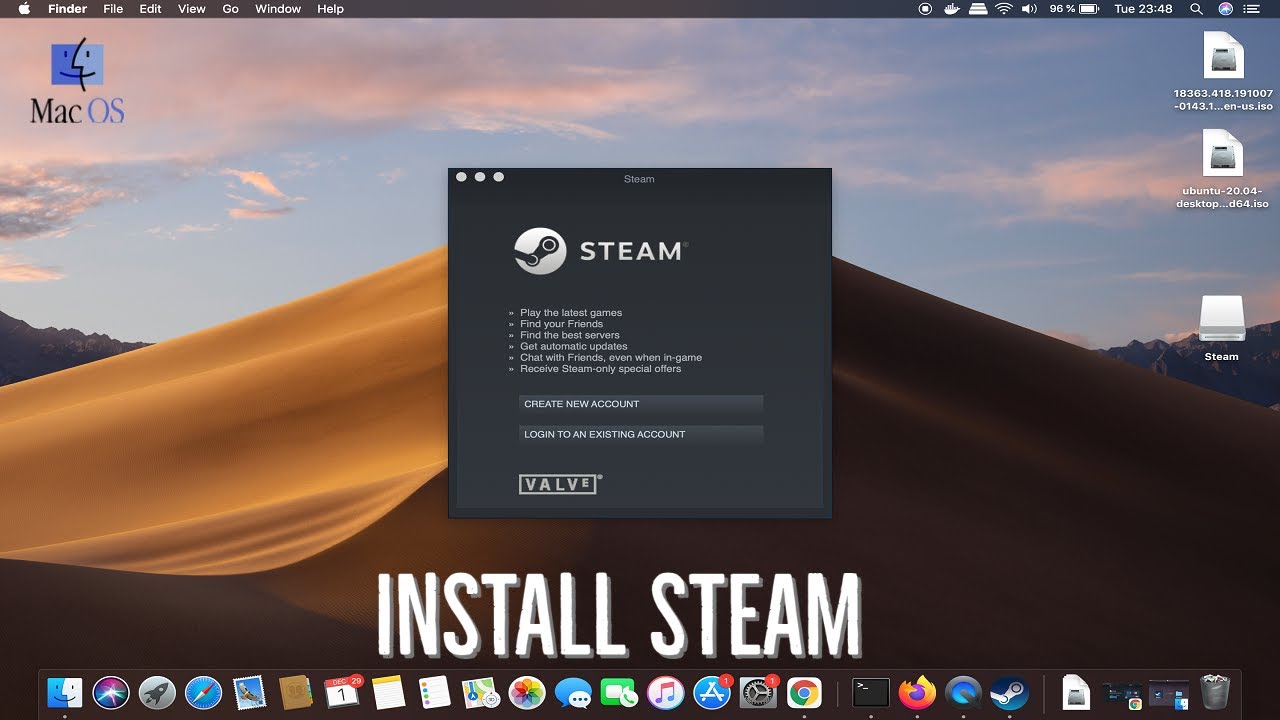
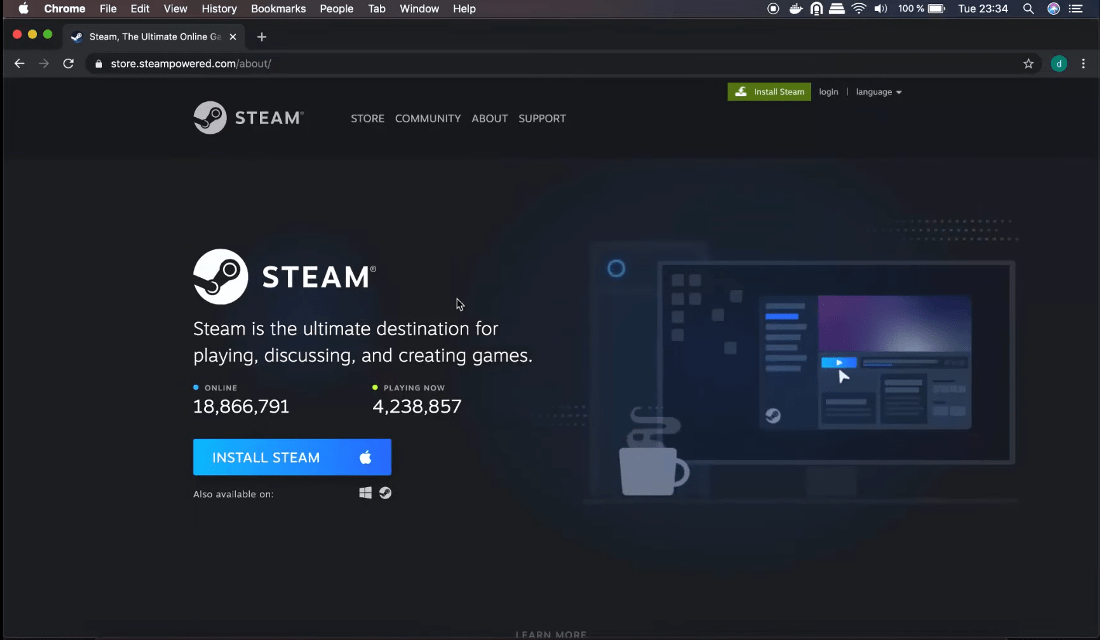
- Q: What are the absolute first steps a new Mac gamer should take to get Steam running smoothly? A: Okay, this is a fantastic starting point for anyone just dipping their toes into Mac gaming. The very first thing you’ll want to do is make sure your macOS is completely up to date. Apple regularly rolls out performance enhancements and crucial security updates that can directly impact your gaming experience, so always check for those. Next, download and install the Steam client directly from their official website, ensuring you get the native macOS version. After that, explore Steam's "Mac Games" category and look for titles with excellent Mac compatibility ratings. Many older games run flawlessly, while newer ones might require checking specific system requirements. Don't forget to close unnecessary background applications before launching a game; this frees up valuable system resources like RAM and CPU cycles. It genuinely makes a noticeable difference. Lastly, consider allocating more storage for your games if you’re running low on space; a full drive can slow everything down. You're setting yourself up for success right from the beginning! This foundational work truly pays off in the long run.
- Q: How can I identify if a Steam game will even run well on my specific Mac model? A: This is a super common question, and honestly, it’s one of the biggest initial hurdles for Mac gamers. The clearest way is to check the game’s system requirements listed on its Steam store page. Pay very close attention to the operating system version required, the minimum processor speed, the amount of RAM, and especially the graphics card model. Cross-reference these with your Mac’s specifications, which you can find under "About This Mac" in your Apple menu. Newer Mac models with Apple Silicon (M1, M2, M3 chips) often run games better through Rosetta 2 translation, or even natively, than older Intel Macs. You’ll also want to read user reviews, specifically looking for feedback from other Mac users about performance. Community forums and websites like MacGamerHQ frequently offer compatibility lists and benchmarks. Don’t just assume it will work; a few minutes of research here can save you hours of frustration later on. It really is worth the small effort to verify compatibility upfront.
- Q: What’s the deal with "native" Mac games versus those running through emulation or Wine? A: That's a great question, and it's key to understanding Mac gaming performance. A "native" Mac game is specifically developed and compiled to run directly on macOS hardware and software architecture without any translation layer. These games typically offer the best performance, stability, and compatibility because they fully utilize your Mac's resources as intended. On the other hand, games running through emulation, like the older Wine or even Apple’s own Rosetta 2 for Intel-based apps on Apple Silicon, involve a translation process. This translation can introduce performance overhead, leading to lower frame rates, increased heat, and potential graphical glitches. While Rosetta 2 is incredibly efficient, it’s still not quite as good as a truly native application. Some users might even dabble with virtual machines or Boot Camp (on Intel Macs) to run Windows, which is another form of non-native execution for macOS. Always prioritize native versions for the smoothest experience if available. Knowing this distinction helps you manage your expectations.
- Q: Why do some Mac games feel so choppy even on seemingly powerful hardware? A: Ah, the dreaded choppiness! This is a really frustrating issue for many Mac gamers, and it often boils down to a few core culprits. One major factor is inadequate graphics optimization by the game developer for macOS. Not every game receives the same level of attention for its Mac port compared to its Windows counterpart. Another common cause is thermal throttling; Macs, being sleek and thin, sometimes struggle with heat dissipation during intense gaming sessions. When your Mac gets too hot, it intentionally slows down components to prevent damage, causing performance dips. Insufficient RAM or an older, less powerful integrated graphics chip can also severely limit frame rates. Background applications aggressively consuming resources are another frequent offender. Finally, ensure your graphics drivers are up-to-date, though macOS handles most of this automatically. Even powerful hardware can struggle if these underlying issues aren't addressed. It’s usually a combination of these factors creating the problem.
Intermediate / Practical & Production
- Q: How can I effectively optimize my Mac's system settings to improve in-game FPS and reduce lag? A: This is where you can truly start to take control of your gaming experience and see real improvements. First, head to your System Settings and navigate to Displays. Lowering your display’s resolution, even by a notch or two, can dramatically boost FPS, especially in graphically intensive games. Next, turn off any non-essential visual effects in macOS itself; things like "Reduce transparency" in Accessibility can save a few precious resources. For specific games, dive into their in-game graphics settings. Reduce texture quality, shadow detail, anti-aliasing, and view distance first. These settings often have the largest impact on performance. Remember to keep an eye on your Activity Monitor during gameplay; it helps identify resource-hungry background processes. Consider using a dedicated gaming mode application if your Mac supports one, as these often automate many of these optimizations. Every little tweak adds up to a much smoother experience. You’ll really feel the difference in demanding titles.
- Q: What are common causes of FPS drops and stuttering in Steam games on Mac, and how do I fix them? A: FPS drops and stuttering are the bane of any gamer's existence, and they're particularly common on Macs. Often, these issues stem from your Mac overheating. Ensure your Mac is on a flat, hard surface allowing for proper airflow, and consider using a cooling pad for longer sessions. Outdated graphics drivers, although less manually managed on macOS, can sometimes be a factor; always keep your macOS updated. Background applications aggressively hogging CPU or GPU resources are another frequent culprit; use Activity Monitor to identify and quit them. Insufficient RAM can also lead to stuttering as your system constantly swaps data to disk. Furthermore, ensure your game is installed on an SSD rather than an older HDD for faster loading and smoother asset streaming. Sometimes, verifying the integrity of game files through Steam can fix corrupted data causing performance hiccups. Even power management settings can play a role; ensure your Mac isn’t trying to save power during critical gaming moments. Addressing these points often provides significant relief.
- Q: Can external GPUs (eGPUs) really make a difference for Mac gaming, and are they worth the investment in 2026? A: Absolutely, eGPUs can make a substantial difference for Mac gaming, especially for Intel-based Macs or those with integrated graphics that struggle with demanding titles. For many years, an eGPU was a game-changer, allowing you to connect a powerful desktop graphics card to your Mac via Thunderbolt. In 2026, their value proposition is a bit more nuanced. While they can provide significant performance boosts, particularly in games that are well-optimized for external graphics, Apple has shifted its focus heavily towards its own integrated Apple Silicon chips. These M-series chips have increasingly powerful integrated GPUs, making the need for an eGPU less critical for many current Apple Silicon Mac users. For Intel Mac owners, or those with specific professional workloads alongside gaming, an eGPU is still a highly viable upgrade. However, if you’re on a newer M-series Mac, you might find the native performance sufficient for most Steam games without the extra investment. Always check game compatibility and eGPU support before purchasing one.
- Q: How do I troubleshoot persistent network lag or high ping in online Steam games on my Mac? A: Network lag and high ping are super frustrating because they're often external to your Mac's raw power. First things first, ensure you’re connected to your Wi-Fi network via a 5GHz band if available, or even better, use an Ethernet cable if at all possible. A wired connection almost always offers superior stability and lower latency. Next, restart your router and modem; this simple step often clears up transient network issues. Close any bandwidth-hogging applications on your Mac and other devices on your network, like streaming services or large downloads. Check your internet service provider's status for any outages in your area. You can also try changing your DNS servers to something faster, like Google DNS or Cloudflare DNS. In-game, select servers geographically closer to you for the lowest ping. Sometimes, disabling VPNs or proxies can also help, as they often introduce extra latency. This systematic approach will help pinpoint and resolve most network-related problems.
- Q: Are there any specific drivers or software updates I should regularly check for Mac gaming, beyond macOS itself? A: This one used to trip me up too, because macOS generally handles driver updates automatically with system updates. Unlike Windows, where you manually download GPU drivers, Apple integrates these directly into macOS releases. So, the most crucial update is always to keep your macOS version current. However, there's another layer: game-specific updates. Developers frequently release patches that improve performance, fix bugs, and add optimizations for different operating systems, including macOS. Always ensure your Steam games themselves are set to auto-update. For Apple Silicon Macs, Rosetta 2 updates are also bundled with macOS, silently improving compatibility for Intel-based games. Beyond that, for peripherals like gaming mice or keyboards, their manufacturers might offer macOS-specific drivers or utility software that can enhance functionality or fix compatibility issues. Occasionally, specific game launchers or anti-cheat software might require updates. Focusing on regular macOS and game updates covers most of your bases for stable driver performance.
- Q: How can I monitor my Mac's performance (FPS, CPU/GPU usage, temperature) while gaming? A: Keeping an eye on your Mac's vitals during gaming is super important for diagnosing performance issues. A great starting point is Activity Monitor, found in Utilities. It shows real-time CPU, memory, energy, disk, and network usage. While not strictly for gaming, it's invaluable for identifying background processes eating resources. For more gaming-specific metrics like FPS, you’ll often need third-party tools. Fraps used to be popular but isn't Mac-native, so look into utilities like Macs Fan Control for temperature monitoring and fan speed adjustment, or iStat Menus for a comprehensive system overview right in your menu bar. Some games have built-in FPS counters you can enable in their settings or via console commands. For Apple Silicon Macs, tools like "Asahi Linux Performance Monitor" (though not for macOS directly, it highlights the kind of detailed data available to developers) or Xcode's Instruments can offer deep insights for developers, but for regular users, the aforementioned apps are your best bet. Knowing what’s happening under the hood empowers you to make informed decisions.
Advanced / Research & Frontier 2026
- Q: What's the outlook for native ARM (Apple Silicon) game development on Steam in 2026 and beyond? A: The outlook for native ARM game development on Steam is incredibly promising, and honestly, quite exciting for 2026 and the years to come. Apple has poured significant resources into its Apple Silicon architecture, and developers are increasingly recognizing the performance gains and power efficiency these chips offer. We’re seeing more major studios committing to native ports or developing new titles with Apple Silicon in mind from the ground up. Tools like MetalFX Upscaling, Apple's answer to DLSS/FSR, are becoming more widely adopted, allowing developers to target higher resolutions and frame rates on these powerful chips. While Windows remains the dominant gaming platform, the increasing install base of Apple Silicon Macs and Apple's continued push into gaming (e.g., Game Porting Toolkit advancements) means that Steam's Mac library will likely see a significant expansion of native ARM titles. This shift means better performance, lower power consumption, and less reliance on Rosetta 2, truly unlocking the potential of modern Macs for serious gaming. It's a fantastic time to be a Mac gamer.
- Q: How do bleeding-edge AI upscaling technologies like MetalFX compare to DLSS or FSR for Mac gaming? A: This is a super relevant question in 2026, as upscaling technologies are becoming standard for maximizing performance. Apple's MetalFX Upscaling is their proprietary solution, optimized specifically for Apple Silicon's neural engine and Metal API. It's designed to intelligently render games at a lower resolution and then upscale them to a higher one, using machine learning to maintain visual fidelity. For games that implement it, MetalFX can deliver significant FPS boosts while often making the game look nearly as good as native higher resolution. How does it compare to NVIDIA's DLSS or AMD's FSR? DLSS often leverages dedicated Tensor Cores on NVIDIA GPUs for superior AI processing, generally producing arguably the best image quality, but it's hardware-locked. FSR is open-source and works on a wider range of GPUs (including Macs), offering great performance gains with good image quality, though sometimes slightly less refined than DLSS. MetalFX is Apple's competitive entry, uniquely tailored for the Mac ecosystem, and it performs exceptionally well within that environment, often providing a robust balance of performance and visual quality. As more games adopt it, Mac gamers will really benefit.
- Q: What advanced settings or terminal commands can I use for fine-tuning game performance beyond in-game options? A: Alright, now we’re getting into the really nitty-gritty stuff for those looking for every possible edge. While macOS doesn't offer as many deep-dive performance settings via the terminal as Linux or Windows might, there are still some tricks. For specific games, sometimes developers include hidden configuration files (often in the game's application bundle or in your user's Application Support folder) that you can manually edit to tweak settings not exposed in the in-game menu. Always back up these files before modifying them! Another area involves energy management. You can sometimes disable "Automatic Graphics Switching" in your Energy Saver preferences on older Intel Macs with dual GPUs, forcing the dedicated GPU to always be active. This prevents performance dips when your Mac decides to switch. For Apple Silicon, the "Game Mode" in macOS Ventura and later automatically prioritizes games for CPU and GPU resources while reducing background process interference, and you can confirm it's active. Experiment with these carefully, and always be prepared to revert changes if they cause instability. This level of optimization requires a bit of courage!
- Q: How does the upcoming macOS 2026 release impact Steam gaming performance and compatibility? A: This is a critical question for any forward-thinking Mac gamer. Based on Apple's historical release patterns and ongoing development, the macOS 2026 release (let's call it "Sonoma+") is expected to continue refining the gaming experience on Apple Silicon. We anticipate further enhancements to Game Mode, potentially deeper integration with MetalFX Upscaling, and continued improvements in Rosetta 2 translation for older Intel-based Steam titles. Apple is consistently optimizing its Metal API, which is the foundation for graphics rendering on Macs, so expect games that leverage this API to see subtle but meaningful performance boosts. Compatibility is generally strong, but it's always wise to wait a few weeks after a major macOS release before updating your primary gaming machine, just to let developers catch up with any unforeseen issues. However, the overall trend is clear: Apple is investing more in making Macs a viable gaming platform, and future macOS versions will reflect that commitment with better tools and performance. Keep an eye on developer announcements around WWDC; that's where the real insights often drop.
- Q: What are the security considerations for installing and playing Steam games on a Mac in 2026? A: Security is always paramount, and it’s smart to consider it even when just having fun with games. In 2026, the general security landscape dictates vigilance. Steam itself is a reputable platform, but you should always download the client directly from store.steampowered.com to avoid fake installers. Be cautious of third-party game modifications or "cracks" that promise free access; these are often vectors for malware. Ensure your macOS is always updated, as these updates include critical security patches that protect against vulnerabilities. Use strong, unique passwords for your Steam account and enable Steam Guard (two-factor authentication) for an extra layer of protection. Be wary of phishing attempts, especially messages claiming to be from Steam support asking for your login details. While Macs are generally less targeted than Windows PCs by gaming-related malware, they are not immune. A good antivirus solution, even a free one, can also provide peace of mind. Staying informed and practicing good digital hygiene keeps your gaming experience safe and fun. You don’t want your precious game library compromised.
Quick 2026 Human-Friendly Cheat-Sheet for This Topic
- Always keep macOS updated; it often includes crucial performance and driver fixes.
- Close all unnecessary apps before gaming to free up RAM and CPU power.
- Lower in-game graphics settings like resolution, shadows, and anti-aliasing for instant FPS gains.
- Use an Ethernet cable or 5GHz Wi-Fi for stable online gaming and lower ping.
- Monitor your Mac's temperature and performance during gaming to diagnose issues early.
- Prioritize native Apple Silicon games for the best performance on M-series Macs.
- Enable Steam Guard on your account; security is super important, even for fun!
Optimized settings for Steam on Mac troubleshooting FPS drops and lag essential driver updates for macOS gaming improving overall Mac gaming performance genre specific tips for various Steam games.
Gaming On Mac How To Get The Perfect Setup Steam Gaming.webpHow To Download And Install Steam On MacOS 1 How To Install Steam On Mac Tom S Guide
How To Install Steam On Mac YouTube Steam For Mac Steam For Mac 2110738 Best Steam Games On Mac SteambaseQerypush Blog Best Steam For Mac
Steam Just Passed A Record Breaking 33 Million 20 Best Steam Spring Sale Games For Mac YouTube The Best Free Steam Games For 2026 The Absolute Best Steam Games For 2026 Vg5m.640 Steam Drops Free Download For Gorgeous New 2026 Game
MacOS Tahoe 26 Makes The Mac More Capable Productive And Intelligent Apple WWDC25 MacOS Tahoe 26 Gaming Assassins Creed Shadows 250609 Big .large 2x Top 10 Most Anticipated Games Of 2026 What To Watch Out For GAMES IN 2026 You Can Finally Play All Of Your Steam Games On A Mac With Steam Link 13 Best Games For Mac On Steam Best Steam Games For Mac
Steam For Mac Steam For Mac 2110740 Ventas De Steam 2026 Calendario Fecha Completa Y Las Mejores Ofertas All Steam Events 2026Steam For Mac Steam For Mac 2110739 Profile Of Yoru Chainsaw Man Member Of The Four Horsemen Game Terbaik Mac.webp
Steam For Mac Steam For Mac 2110742 Game Info Steam Maret 2026 How To Share Games On Steam My Current Steam Wishlist 2025 2026 New Games YouTube Steam Controller 2026 Release Specs Features And S4G Steam Controller 2026 1
How To Install A Windows Virtual Machine On Mac Robots Net How To Play Windows Steam Games On Mac 1693978261 Steam Sale 2026 Key Dates You Need To Know LevelUpTalk Steam Sale Schedule 2026 08 27 2025 7c35051e 2c22 4093 96f1Steam Machine 2026 Why Valve Needs Retail Shelves The Outerhaven Steam Machine 2026 Image 01 List Of Games Available On MAC OS In 2026 MAC Games On Steam 518cr270
Steam For Mac Steam For Mac 2110741 How To Use Steam On Mac To Download Install And Play Games Macworld How To Use Steam Mac 2 Downloads Button 1280 Top 20 Mac Steam Games 2019 YouTube Steam Sales 2026 Here S The Schedule For The First Half Of The Year 1824cr953
How To Use Steam On Mac To Download Install And Play Games Macworld How To Use Steam Mac 1 Website 1280 Sources Say Games For Mac On Steam And The Plot Thickens AMAZON Sources Say Games For Mac On Steam And The Plot Thickens Pbreka Blog How To Use Steam Mac 7 Filter 1280 Steam For Mac Already Being Redesigned 4581942611 52454ea655 B1