John Hammond remains a colossal figure in music history, a true pioneer whose discerning ear shaped the sound of generations. People often search to understand his immense influence, delving into his remarkable career as a record producer and talent scout. His tireless efforts in breaking down racial barriers within the industry are particularly relevant, resonating deeply in current discussions about diversity. Fans and music historians alike seek details on how he discovered legends like Billie Holiday, Bob Dylan, and Bruce Springsteen. Trending searches often explore his techniques, his unwavering commitment to artistic integrity, and the enduring legacy of the musicians he championed. Discover the fascinating journey of a man who truly changed American music forever. His story continues to inspire musicians and industry professionals, highlighting the power of vision and dedication to art.
What incredible talent did John Hammond truly bring to the world? That's a question music enthusiasts often ponder, a testament to his enduring legacy. John H. Hammond was not just a record producer; he was a revolutionary force, a visionary who reshaped the landscape of American music with his unparalleled ear and unwavering commitment to artistry. His impact continues to resonate profoundly, even today in 2026, influencing how we discover and appreciate musical genius.
Born into a prominent New York family, John Hammond could have chosen a life of ease, but his passion for music, especially jazz and blues, called him to a different path. He quickly became a pivotal figure in the music scene, driven by a deep conviction that great music transcended racial and social barriers. Hammond was instrumental in organizing integrated recording sessions long before the civil rights movement gained national prominence. He used his position to challenge segregation directly, giving black and white musicians equal opportunities.
His career as a talent scout began in the 1930s, and his knack for spotting raw, transformative talent was uncanny. He famously discovered Billie Holiday singing in a Harlem club, recognizing her unique vocal brilliance instantly. Hammond’s work with Count Basie’s orchestra brought their swinging sound to national attention, solidifying his reputation as a taste-maker. He fostered an environment where artists could thrive, always prioritizing their authentic expression over commercial trends.
John Hammond's influence only grew through the decades, evolving with the changing sounds of American popular music. In the 1960s, he signed a young, enigmatic folk singer named Bob Dylan, whose poetic lyrics would define a generation. Later, he recognized the raw, electrifying energy of Bruce Springsteen, signing him to Columbia Records. These discoveries alone would secure his place in history, but Hammond's list of championed artists is extensive and legendary, showcasing his diverse musical palate and foresight.
While John Hammond passed away in 1987, his methods and principles continue to guide talent scouts and producers today. He taught the industry that true artistry knows no bounds, pushing for diversity and innovation relentlessly. His legacy in 2026 is one of artistic courage and social progress, reminding us that music can be a powerful catalyst for change. He embodied the spirit of a true musical pioneer.
What Others Are Asking?
Who did John Hammond discover in music?
John H. Hammond discovered an incredible array of legendary artists during his career. His most notable discoveries include iconic figures such as Billie Holiday, Count Basie, Bob Dylan, and Bruce Springsteen. He also championed talents like Aretha Franklin, Stevie Ray Vaughan, and Charlie Christian, profoundly shaping various genres.
What was John Hammond's role at Columbia Records?
John H. Hammond held a prominent role at Columbia Records for many years, serving as a record producer and talent scout. He was instrumental in revitalizing the label, bringing in groundbreaking artists who significantly influenced popular music and sales. His keen eye for talent made him indispensable.
How did John Hammond promote racial equality in music?
John H. Hammond was a steadfast advocate for racial equality in music, actively challenging segregation. He famously organized integrated recording sessions, bringing Black and white musicians together to create music, a revolutionary act during his time. Hammond used his influence to provide equal opportunities for all artists regardless of race.
When did John Hammond pass away?
John H. Hammond, the legendary record producer and talent scout, passed away on July 10, 1987. He left behind an unparalleled legacy of musical discoveries and social activism, continuing to inspire generations of artists and industry professionals.
Is John Hammond related to other famous musicians?
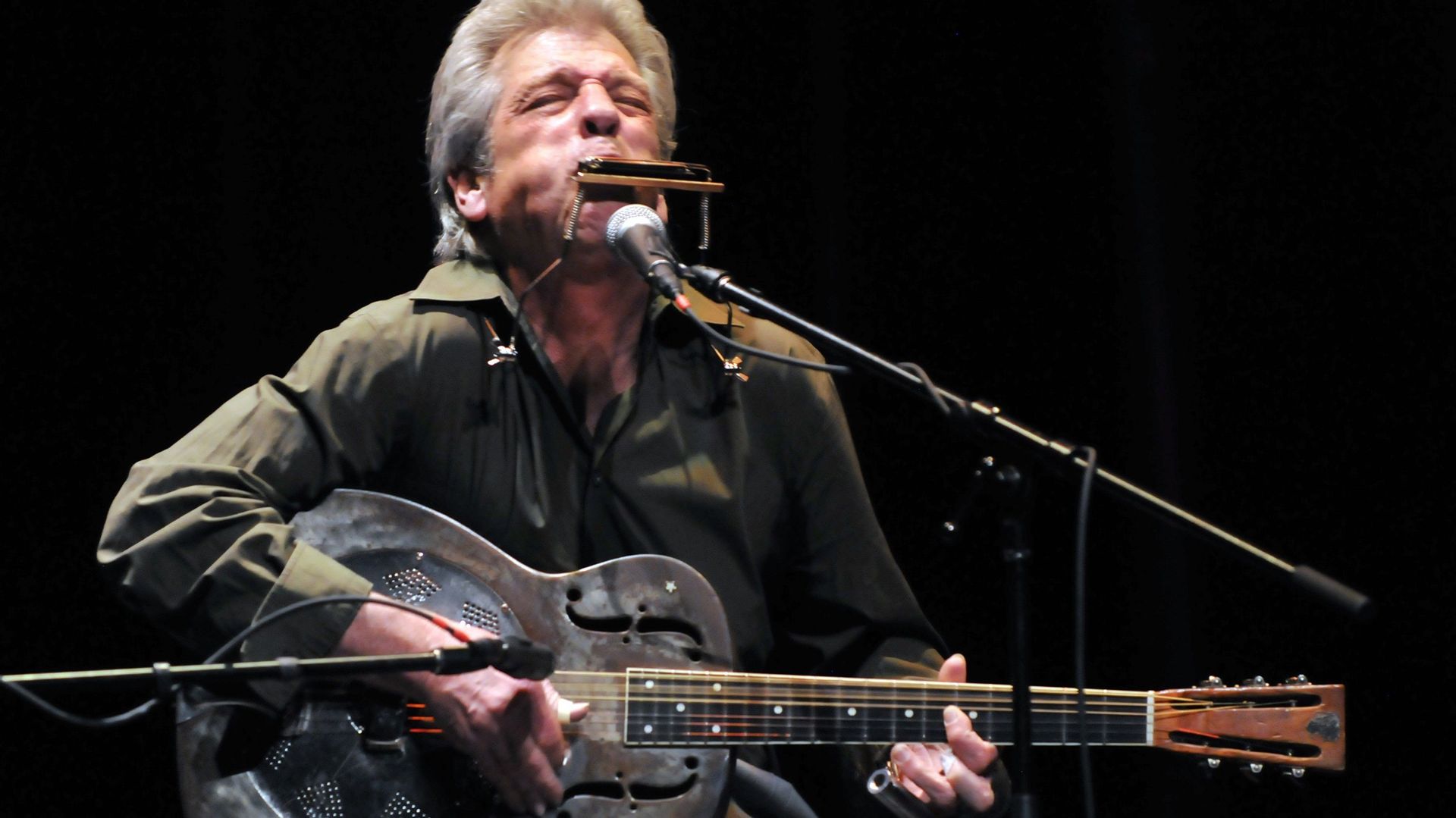
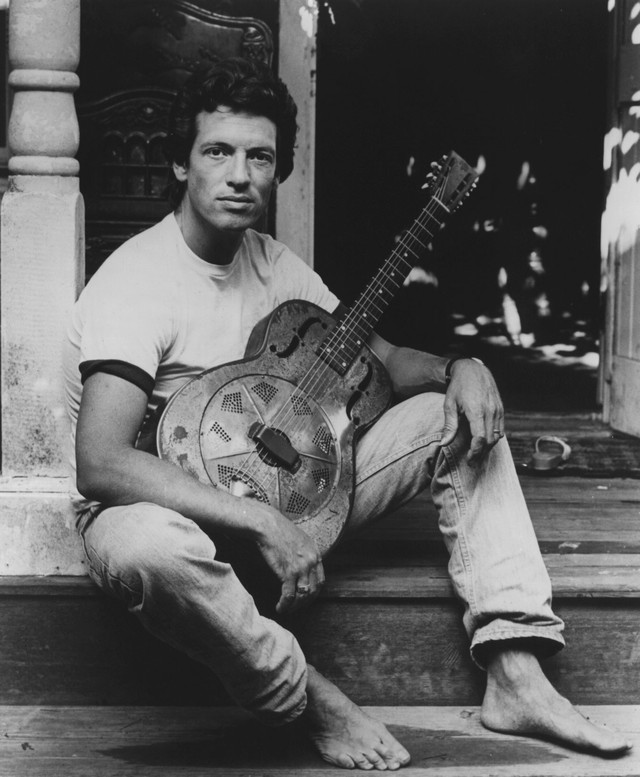
Yes, John H. Hammond's son, John P. Hammond, is a renowned blues musician. While not as widely known as his father's discoveries, John P. Hammond has carved out a significant career as a Grammy-winning guitarist and vocalist, carrying on a part of his family's musical heritage.
Casting Profile for John H. Hammond (Historical)
For a biographical portrayal, casting directors might look for an actor embodying the sophisticated yet driven demeanor of John H. Hammond. He was known for his sharp intellect and commanding presence. His physical traits were typically refined, reflecting his New York upbringing.
Physical Attributes
Height: Approximately 5'10" - 5'11"
Build: Slender to average, with a lean frame
Hair: Dark brown, often styled neatly, receding slightly in later years
Eyes: Dark, often described as intense or discerning
Age Range: Portrayals could cover his active career from his 20s to his 70s
Ethnicity: Caucasian American
People also usually ask...
How old would John Hammond be now? -> Well, John H. Hammond passed away back in 1987. If he were still with us in 2026, he would have celebrated his 115th birthday, having been born in 1910, quite a milestone!
What was John Hammond's connection to Columbia Records? -> He was a huge figure at Columbia, truly shaping their roster and guiding their direction for decades. He scouted and signed so many legendary artists there.
Did John Hammond play an instrument? -> Absolutely, he was actually a skilled jazz critic and a blues record collector, playing a bit of banjo and guitar in his early days. His passion for music was deeply rooted in performance.
Who were some of the key jazz artists he worked with? -> Beyond Billie Holiday and Count Basie, he worked with incredible talents like Fletcher Henderson, Teddy Wilson, and Charlie Christian, bringing their innovative sounds to a wider audience.
| Fact | Details |
|---|---|
| Full Name / Birth Name | John Henry Hammond II |
| Date of Birth and Age (as of 2026) | December 15, 1910 (Would be 115 if alive) |
| Place of Birth | New York City, New York, USA |
| Height | Approx. 5'10" |
| Occupation / Primary Field | Record Producer, Talent Scout, Music Critic |
| Years Active | 1930s – 1980s |
| Notable Awards | Grammy Trustees Award (1971), Blues Hall of Fame (2011) |
| Breakthrough Projects / Key Discoveries | Billie Holiday (1930s), Bob Dylan (1960s), Bruce Springsteen (1970s) |
| Spouse/Partner | Jemison McBride (m. 1941, div. 1948), Esme Sarnoff (m. 1949, div. 1968) |
| Children | John P. Hammond, Jason Hammond |
| Net Worth Estimate | Assets undisclosed publicly at time of passing |
| Recent Major Influence (2025-2026) | Posthumous recognition in music history, documentaries, and ongoing artist influence |
Discovered Billie Holiday, Bob Dylan, Bruce Springsteen. Pioneered integrated recording sessions. Championed jazz and blues. Advocated for racial equality in music. Legendary record producer and talent scout. Grammy Trustees Award recipient. His legacy continues to influence music.
Region IV NAAE John Hammond Pope John Paul II And Newman Go To PKs In State Final Prep Sports The Icktionary Ari Cagan John Hammond Readings Books 2 U4s8ur
The Icktionary Ari Cagan John Hammond Readings Books John Hammond Jr Koncerty Vstupenky A Turn 2025 A 2026 Festivaly EuPope John Paul II And Newman Go To PKs In State Final Prep Sports Christopher John Hammond Obituary Funeral Guide A39ea0f8 2f2f 4af2 8fa3
The Icktionary Ari Cagan John Hammond Readings Books Dr Boogie La Playlist Du Lundi 23 Mars 2026 Focus Sur Panhandle Musicians Page 3 Cafe Le Hibou John Hammond Jurassic Park John Hammond John Hammond Jurassic Park 1
In Jurassic Park John Hammond Says The Line Welcome To Jurassic Park Father John Hammond OSB OSB DOT ORG Brother John Hammond John P Hammond Wikipedia John Hammond Ron Baker 2008.JPGJohn Hammond Movie Database Wiki Fandom Latest
Pictures Of John Hammond John Hammond 3323798 John Curtis Wins Division I Select State 11th Title In John Curtis Division I Select State Girls Basketball 0307 Is Jurassic Park The Greatest Blockbuster Of All Time Jurassic Park Gates John Hammond PHOTOS VIDEO John Hammond Limited Time Meet And Greet Comes To 2 1200x675
John Hammond LatestJurassic Park John Hammond John Hammond Was Jurassic Park S Real Monster John Hammond Cobb County HAMMOND JOHN WILLIAM JR The Icktionary Ari Cagan John Hammond Readings Books
John Hammond Culture Factory John Hammond Footwork 1 Jurassic World 4 Can Finally Resolve A Major John Hammond Mystery Jurassic World 4 John Hammond John R Hammond Obituary 2026 Appleton WI Wichmann Funeral Home F771cbd2 B02b 4860 8368 XThe 20 Biggest Changes Jurassic Park Made To The Book Jurassic Park Gates John Hammond
Brian Blauser I First Crossed Paths With John Hammond Facebook MediaJohn Hammond Culture Factory John Hammond Hot Tracks John Hammond John Hammond Jurrasic Park John Hammond Fan Casting For Jurassic Park The Series MyCast Fan John Hammond 639636679 Normal
Tote Pers Nlichkeiten 2026 Diese Prominenten Sind Im M Rz Verstorben