Understanding the essential cleaning service equipment is absolutely crucial for any business aiming for professional results and client satisfaction. This guide dives deep into the tools and machinery that truly make a difference, covering everything from powerful vacuum cleaners to specialized floor care systems. We explore how selecting the right gear can significantly boost efficiency, reduce labor costs, and even extend the life of surfaces you clean. Discover the latest innovations and tried-and-true workhorses that top cleaning companies rely on daily. Equipping your team with superior tools ensures a spotless reputation and consistent high-quality outcomes. Furthermore, we address common queries regarding equipment maintenance and sustainable options. This resource will help you navigate the vast array of cleaning solutions available today.
Honestly, when people ask, "What cleaning service equipment do professionals actually use?" they're really curious about the secrets to that truly spotless finish. It's not just elbow grease, you know. Professional cleaners, the ones who make places sparkle, rely on some seriously specialized gear. You won't find just a bucket and sponge in their kit, that's for sure. They invest in tools that deliver consistent, high-quality results every single time. And let's be real, time is money in this business. So, picking the right equipment can make or break a cleaning service. It's all about efficiency, effectiveness, and giving clients that 'wow' factor. This guide is going to spill the tea on those must-have items.
You might be surprised by the range of equipment out there, from simple hand tools to complex machinery. But don't worry; we're breaking it all down for you. We'll explore why certain pieces of equipment are essential and how they contribute to a superior cleaning outcome. It’s important to understand the capabilities of each tool before making any purchase decisions. Getting this right saves you money and boosts your team’s productivity significantly.
The Core Essentials: Every Cleaning Service Needs These
So, let's talk about the absolute staples. These are the workhorses that form the backbone of any professional cleaning operation. You simply can't do without them. They provide the foundational power for tackling most cleaning tasks. Investing in durable, high-performance versions of these items is always a smart move. Trust me, cheaping out here often costs more in the long run.
Powerful Vacuum Cleaners are Non-Negotiable
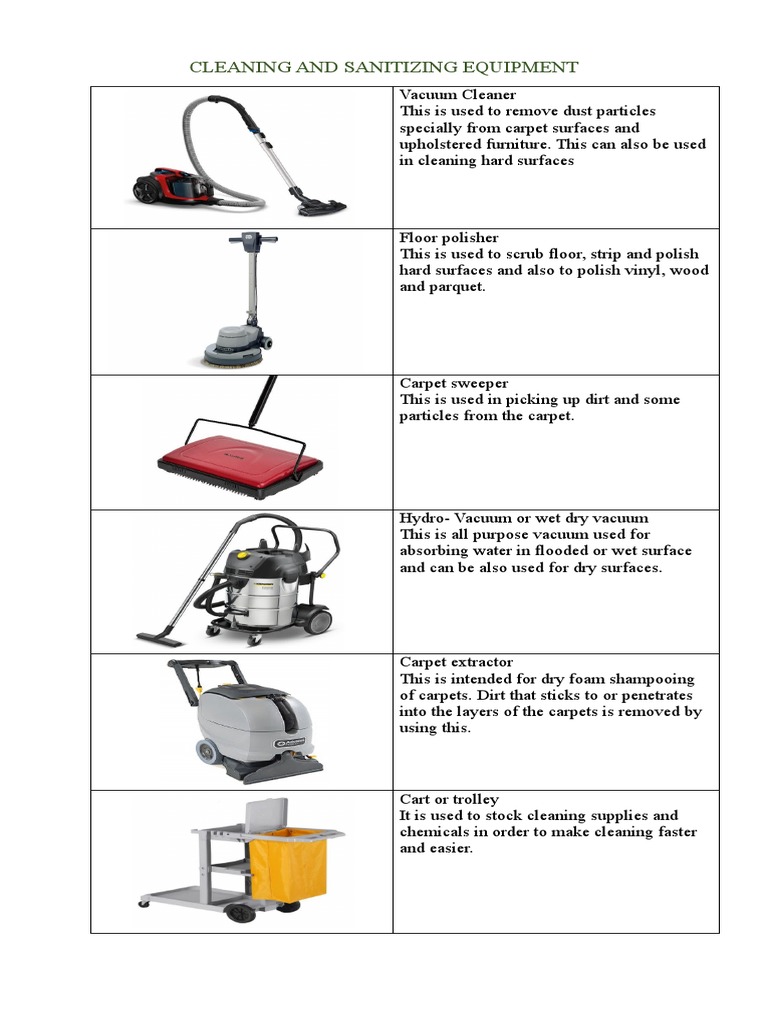
Commercial Upright Vacuums: These are beasts for large carpeted areas, offering deep cleaning and excellent suction. They handle heavy dirt and debris with impressive ease, making them perfect for offices or hotels. Their robust construction stands up to daily rigorous use.
Backpack Vacuums: Super popular for their maneuverability and speed, especially in tight spaces or stairs. Your staff will thank you for these, as they're far less strenuous than traditional models. They significantly cut down on cleaning time in congested areas. Plus, their ergonomic design promotes better posture.
Wet/Dry Vacuums: Absolutely crucial for spills, floods, or just general wet cleanups on hard floors. They’re incredibly versatile and a lifesaver in emergency situations. You'll use these more often than you think for various liquid messes. Honestly, every crew needs one of these reliable machines.
Specialized Tools for a Deeper Clean
Beyond the basics, there are tools designed for specific challenges that really elevate a cleaning service. These items allow you to offer a wider range of services and tackle tough jobs with confidence. Having these specialized pieces demonstrates a commitment to thoroughness. Clients appreciate a service that can handle more than just surface dirt.
Floor Care Machines That Make a Difference
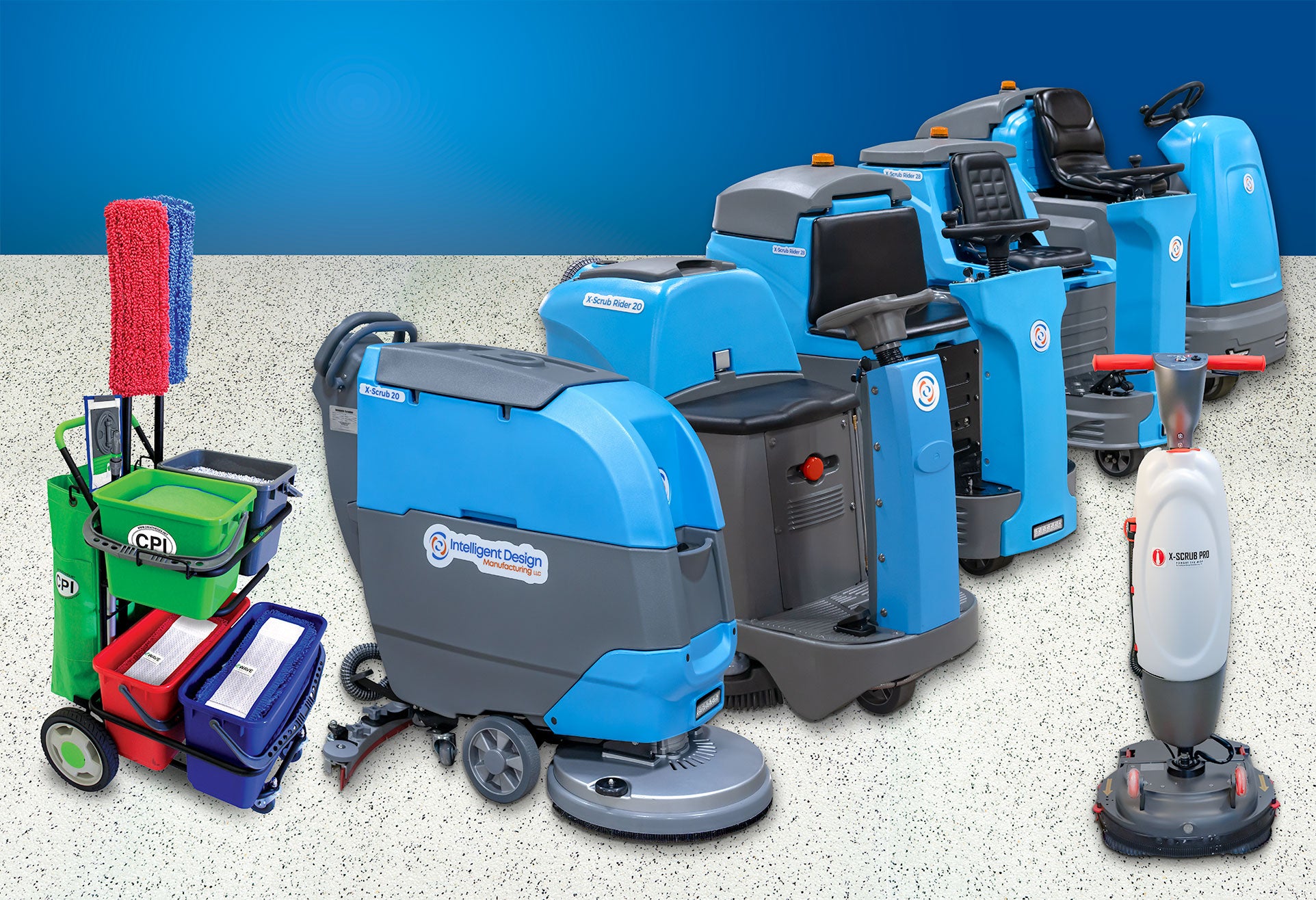
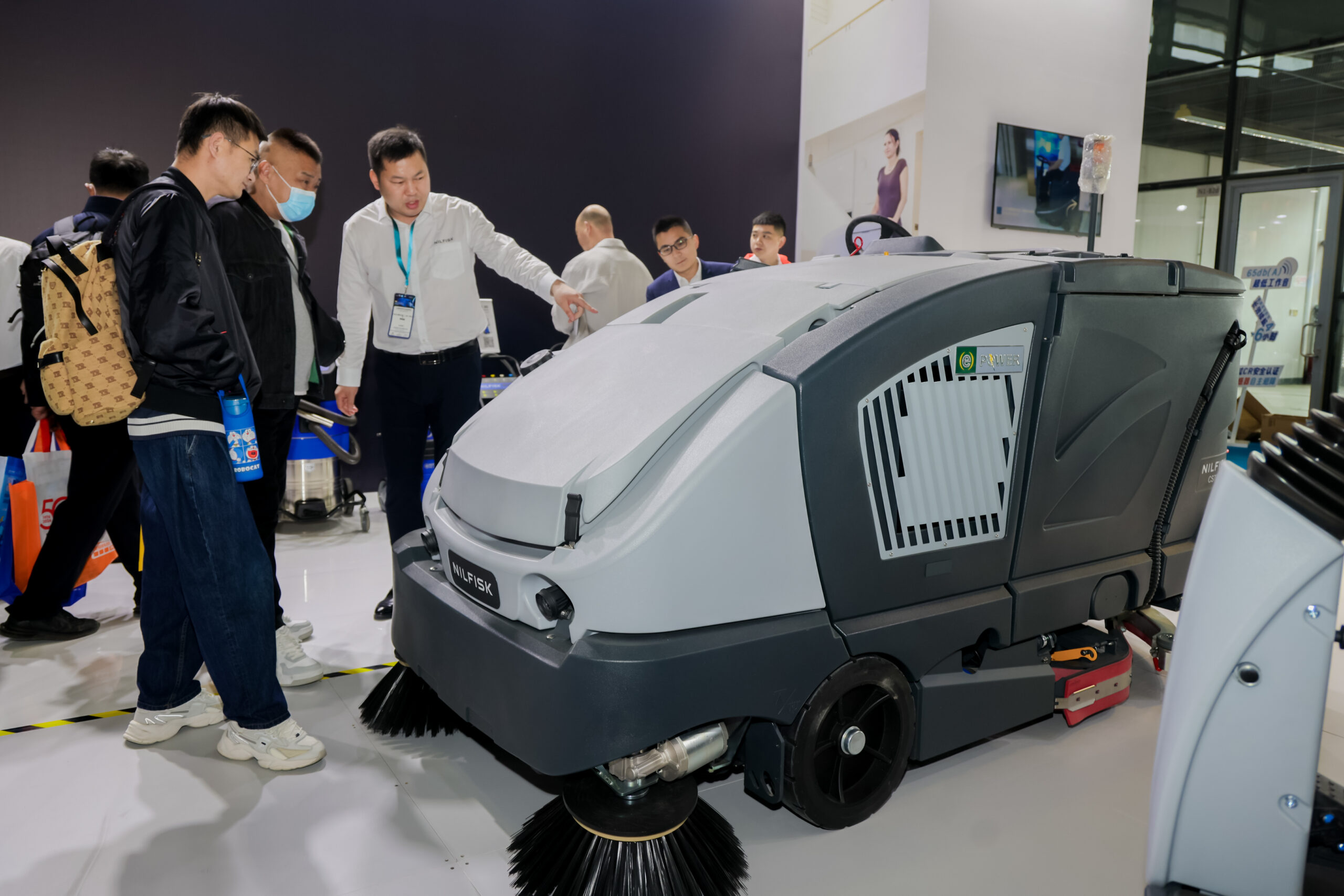
Automatic Scrubbers: These are total game-changers for large hard floor areas like hallways or gymnasiums. They scrub, rinse, and dry in one pass, dramatically increasing efficiency and results. The automation frees up staff for other tasks. They truly deliver an exceptional shine and cleanliness.
Buffer/Burnishers: If you're maintaining polished floors, these machines are your best friend. They restore shine and extend the life of floor finishes. A well-maintained floor just looks more professional, doesn't it? They are essential for that high-gloss, pristine appearance.
Carpet Extractors: For deep carpet cleaning, an extractor is indispensable. It injects cleaning solution and then vacuums it up, removing embedded dirt and stains. This really refreshes carpets and prolongs their lifespan. Your clients will notice the difference in their refreshed flooring. It’s an investment that pays off quickly.
Window Cleaning Equipment for Crystal Clear Views
Squeegees and Buckets: The classic combination, but with professional-grade tools, you get streak-free results every time. Good quality blades are key. They allow for efficient and precise cleaning of all glass surfaces. This ensures a pristine, clear view from any window.
Water-Fed Poles: For higher windows, these allow cleaning from the ground, eliminating the need for ladders. It’s safer and much faster, improving overall safety for your team. This modern approach is a real time-saver. Plus, purified water ensures no spots are left behind.
Safety and Ergonomics: Often Overlooked, Always Important
Honestly, you can have the best equipment, but if your staff aren't safe or comfortable, it's all for nothing. Investing in ergonomic tools and safety gear isn't just about compliance; it's about protecting your most valuable asset: your team. Happy, healthy workers are productive workers. Plus, it shows you care. That really builds team loyalty.
Protecting Your Team and Clients
Personal Protective Equipment (PPE): Gloves, safety glasses, masks, and appropriate footwear are non-negotiable. Chemical spills and airborne particles are real risks. This gear protects against exposure to various hazards. Ensuring proper PPE is paramount for everyone's well-being.
Safety Signs: Wet floor signs might seem basic, but they prevent accidents and show you're professional. You don't want someone slipping on a freshly mopped floor. These signs are crucial for preventing potential liabilities. Always deploy them during and after cleaning activities.
And so, equipping your cleaning service with the right tools is more than just buying stuff; it's an investment in your business's success and reputation. It's about delivering top-notch results, keeping your team safe, and staying efficient in a competitive market. Does that make sense? What exactly are you trying to achieve with your cleaning service?
Efficiency, Professional Results, Health Safety, Cost Effectiveness, Modern Technology, Eco Friendly Options, Equipment Maintenance, Staff Productivity
Editable 2026 Cleaning Planner Graphic By KDP GALLERY Creative Fabrica Editable 2026 Cleaning Planner Graphics 127130021 1 580x386 Our 2026 Cleaning Price List The Local Guys Cleaning Our 2026 Cleaning Price List 2026 Cleaning Schedule Planner Graphic By KDPMart Creative Fabrica 2026 Cleaning Schedule Planner Graphics 126568538 1 312x208
Cleanmax Supplies One Stop Cleaning Supplies Sydney Commercial Cleaning Starter Kit Equipment Package The Ultimate Cleaning Supplies List 2026 UpFlip Cleaning Supplies And Equipments 1 2025 2026 Cleaning Planner Graphic By Creative Art 07 Creative Fabrica 20252026 Cleaning Planner Graphics 125671669 1 Top Commercial Cleaning Trends To Watch In 2025 Glenn Cleaning Cleaning Robot 1024x574
ISSA Announces 2026 Cleaning Week Scheduled For March 22 ICW 2026 Commercial And Industrial Cleaning Equipment New England Maybury Cleaning Service Equipment Team 1 Is Your Cleaning Program Ready For 2026 CCC Ready For 2026 Recurring Home Cleaning In 2026 Recurring Home Cleaning In 2026 Web
1 2026 Home Cleaning Schedule Designs Graphics 2026 Home Cleaning Schedule Graphics 137233739 1 580x386 2026 Cleaning Industry Events Tomorrow S Cleaning Jpg 3880 Kickstart 2025 With Top Cleaning Equipment To Keep Your Business 2O Power Equipment Blog Header Cleaning Equipment Medical Facility Cleaning Checklist Updated For 2025 2026 Commercial Medical Facility Cleaning Checklist Updated For 2025-2026
The Ultimate Cleaning Supplies List 2026 UpFlip Aprons For Cleaning The Manchester Cleaning Show Returns For 2026 Manchester Cleaning Show Returns 2026 Hero Cleaning And Sanitizing Equipment PDF 1685524184Clean Currents 2025 Clean Currents 2026 Website Default Social Image 2026 1200x630 1.webp
The Complete Commercial Cleaning Guide For Colorado Businesses 2026 2026 Guide Chinese New Year Spring Services Cleaning In Singapore 2026 Chinese New Year Spring Services Cleaning In Singapore 2026 The Ultimate Cleaning Supplies List 2026 UpFlip Cleaning Supplies List 3 2026 House Cleaning Price List 13 11 05 The Local Guys 2026 House Cleaning Price List
Dreame Showcases The Future Of Wet Dry Vacuum Cleaning At CES 2026 20251226 182151 Cleaning Expo UK 2026 1752162766 HkFQg Event Cover Pic 2026 Starting A Cleaning Business Checklists 2026 UpFlip Checklists For Starting A Cleaning Business 1 2048x1151 Commercial Cleaning Kit On Cart Cleaning And Washing Commercial Cleaning Kit Cart Washing Tools Equipment Services Company Janitorial Stocked Essential 349284738
China Clean Expo The Biggest Cleaning Show In Asia 31 March 3 ??????? Scaled 2026 Cleaning Organizer Graphic By Mustafiz Creative 2026 Cleaning Organizer Graphics 134823267 1 580x386 What Tools Are Necessary To Launch A Cleaning Business Equipment Needed VF 2880x1620 1 Scaled 1 2026 Cleaning Planner Canva Designs Graphics 2026 Cleaning Planner Canva KDP Interior Graphics 124928033 1 580x386
Cleaning Equipment Improve Your Labor While Enhancing 1711922077Cleaning Industry Key Trends For 2026 Robert Scott Cleaning Industry Key Trends For 2026 Best Screen Cleaning Cloths Of 2026 Tested Reviewed Best Home 1793 The Best Commercial Steam Cleaners Of 2026 Top Picks For Deep Cleaning 768x768 Commercial Cleaning Tools And Equipment Intelligent Design Scrubber Collage No HK Background 1924x1316 Crop Center