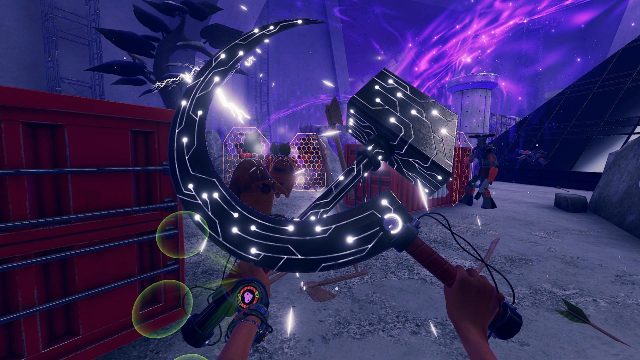
Ever feel a dizzy spell after an intense gaming session? You are not alone. Many players ask, can video games trigger vertigo? This comprehensive 2026 guide explores the fascinating connection between digital worlds and your sense of balance. We dive into common triggers like fast-paced FPS games, intense camera movements, and VR experiences. Learn crucial settings optimization tips, including adjusting your Field of View and managing refresh rates. Discover practical strategies to prevent discomfort and enhance your gaming experience. Whether you play FPS, MOBA, RPG, or Battle Royale, this guide offers actionable advice. Stay informed about the latest insights and keep your gaming sessions spin-free. Understanding these factors helps you enjoy your favorite titles without the unwelcome dizziness or motion sickness. We cover everything from hardware considerations to lifestyle adjustments, ensuring you can game comfortably and safely. This guide aims to be your go-to resource for a stable and enjoyable gaming future.
Can video games trigger vertigo? It is a question that many of us have pondered after a particularly intense gaming session. That feeling of disorientation, the slight wobble in your step, or a full-blown dizzy spell can really throw you off. Trust me, you are absolutely not alone in experiencing this. We have all been there, wondering if our beloved digital adventures are secretly waging war on our inner equilibrium. This complete walkthrough for 2026 is your ultimate guide. It will help you navigate the thrilling world of gaming without the unwelcome spins. We are diving deep into how games can affect your sense of balance. This guide also offers actionable tips and strategies to keep your head in the game, literally. You will learn how to optimize your settings, prevent lag, and ensure your experience is as smooth as possible. Prepare to transform your gaming habits and say goodbye to gaming-induced vertigo for good.Understanding Gaming-Induced Vertigo
So, what exactly is happening when video games trigger vertigo or make you feel dizzy? It is often a form of motion sickness, but with a modern twist. Your brain gets conflicting signals from your eyes and your inner ear, which controls balance. Your eyes see movement on the screen, tricking your brain into thinking you are moving. However, your body remains stationary in your chair. This sensory mismatch can lead to uncomfortable symptoms like nausea, headaches, and, of course, that unsettling feeling of vertigo. It is your body telling you something is not quite right in this digital dance. Understanding this core mechanism is the first step toward finding effective solutions and enjoying your games without discomfort.
This phenomenon, often termed 'cybersickness' or 'simulator sickness', is increasingly relevant with 2026's hyper-realistic graphics and immersive experiences. Games are designed to pull you in completely. Unfortunately, this can sometimes come at a cost to your physical comfort. For some players, the visual intensity can even exacerbate underlying vestibular sensitivities. Recognizing the signs early is essential for managing and preventing these dizzying episodes. It is all about how your brain processes the visual information it receives. Making small adjustments can make a huge difference in your overall well-being. This guide helps you understand these triggers better.
Common Triggers in 2026 Games
Fast-Paced FPS and VR Experiences
First-Person Shooter (FPS) games are notorious for their rapid camera movements and dynamic action sequences. Your perspective shifts constantly and quickly, simulating intense motion that your body is not physically experiencing. This disparity is a primary culprit for gaming-induced vertigo. Modern FPS titles often push visual boundaries with incredible speed. They can overwhelm your brain's processing capabilities, causing symptoms of discomfort.
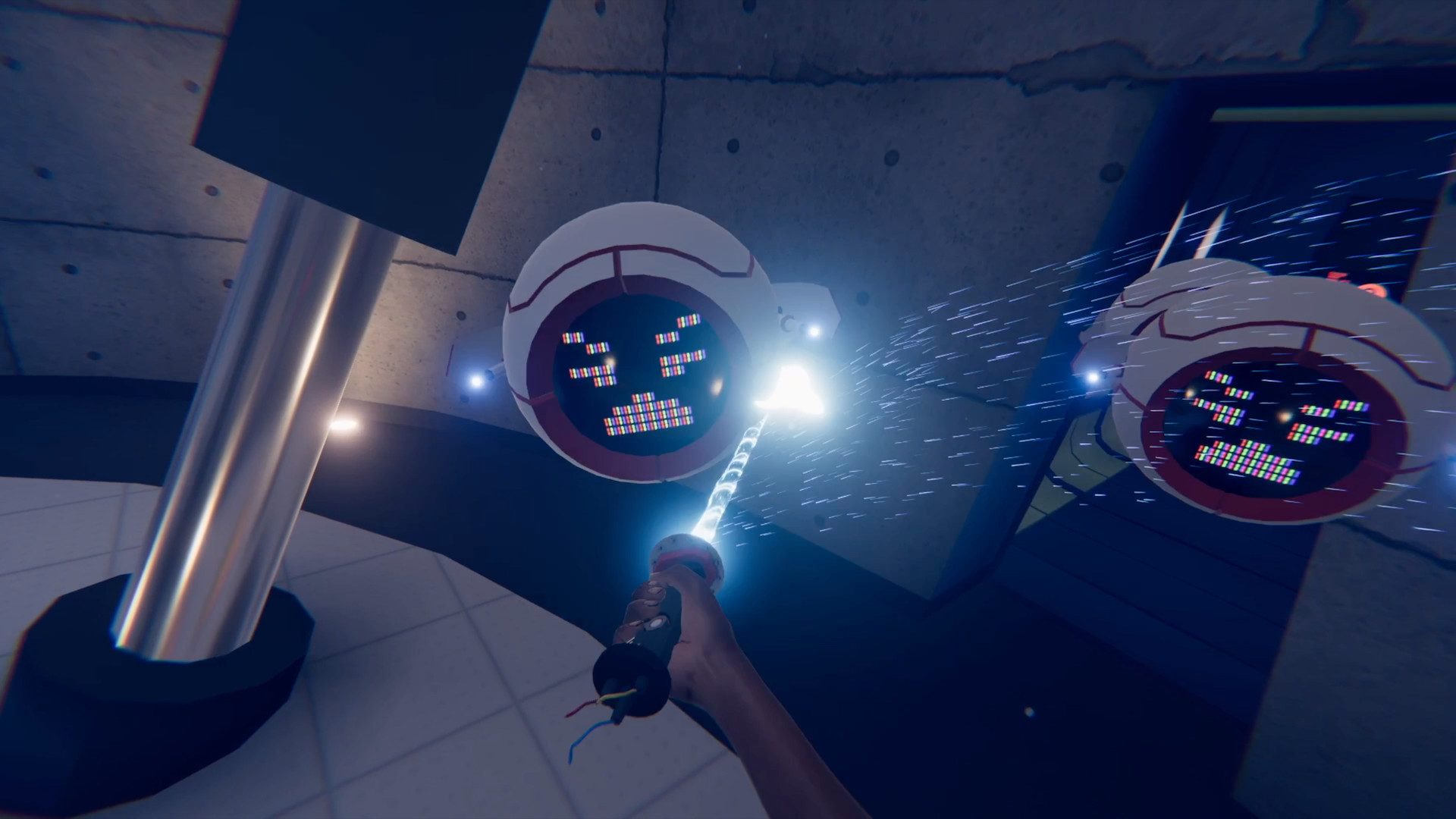
Virtual Reality (VR) environments take immersion to an entirely new level, but they also significantly heighten the risk of spatial disorientation. When you are fully enveloped in a VR world, your brain's reliance on visual cues for balance is absolute. Any inconsistencies between visual input and your inner ear can instantly trigger intense vertigo. Many VR games feature artificial locomotion, where you move without physically walking. This is a common trigger for many VR users. It is a powerful technology that needs careful handling for sensitive players.
Intense Camera Motion and Field of View (FOV) Settings
Many games feature dynamic camera shake, cinematic effects, and narrow Field of View (FOV) settings. These design choices aim to enhance immersion, but they can inadvertently contribute to severe dizziness. A camera that constantly jostles or an FOV that feels claustrophobic can overwhelm your visual system. This makes it difficult for your brain to establish a stable reference point. Such settings essentially amplify the sensory conflict your brain experiences.
Adjusting these settings is a crucial first step for preventing discomfort and enjoying smoother gameplay. Players should experiment with their FOV to find a comfortable balance. A wider FOV can sometimes reduce the tunnel vision effect that contributes to dizziness. Disabling camera shake and motion blur options within game menus often provides immediate relief. These simple tweaks can transform your gaming experience dramatically. Taking control of these visual parameters empowers you to tailor the game to your comfort.
Graphics Fidelity and Refresh Rates
In 2026, games boast incredibly high-fidelity graphics with advanced visual effects. These are stunning, but they can sometimes overstimulate individuals prone to vertigo. While impressive, a highly detailed, fast-moving environment can be a lot for your brain to process. It is about finding a balance between visual spectacle and your personal comfort levels. Sometimes, a slight reduction in certain effects can make a big difference.
Lower refresh rates and inconsistent FPS (frames per second) can cause screen tearing and stuttering, leading to visual inconsistencies. This choppy visual feedback further exacerbates the sensory mismatch. A stable, high refresh rate, often 120Hz or higher, paired with consistent FPS, reduces visual lag and creates a smoother, more fluid experience. Ensuring your system can handle the game at a consistent frame rate is vital. This helps prevent those jarring visual interruptions that can trigger dizziness. Poor FPS drop can be a major factor here.
Pro Tips and Settings Optimization for a Smoother Ride
Tuning Your Game Settings: A Vertigo Prevention Guide
- Adjust FOV: Experiment with a wider Field of View. This can reduce the tunnel vision effect and make your on-screen movements feel less jarring. Many PC and console games now offer this setting.
- Disable Motion Blur: Turn off motion blur effects. While designed for cinematic feel, they can make fast movements blurry and disorienting. A sharp image is generally better.
- Turn Off Camera Shake: Many games have options to reduce or eliminate camera shake. This is often an instant fix for reducing dizziness, especially in action-heavy titles.
- Enable V-Sync or G-Sync/FreeSync: Synchronize your monitor's refresh rate with your GPU's output. This eliminates screen tearing and stuttering, providing a smoother visual experience and reducing FPS drop issues.
- Target High, Stable FPS: Aim for consistently high frames per second. A stable 60 FPS or higher is ideal. Fluctuating FPS can contribute to dizziness. Update your drivers to ensure optimal performance.
- Reduce Head Bobbing: Some games simulate character head movement. Disabling this feature can significantly reduce the feeling of being jostled, a common vertigo trigger.
- Lower Graphics Settings: If experiencing stuttering or FPS drop, consider lowering certain graphics settings. Prioritize smooth frame rates over ultra-high fidelity for comfort.
Hardware and Environment: Beyond the Software
- Monitor Distance and Size: Sit at an appropriate distance from your screen. A monitor that is too close or too large can fill your peripheral vision excessively, intensifying the immersive (and sometimes dizzying) effect.
- Proper Lighting: Game in a well-lit room. A dark room with only screen light can strain your eyes and make you more susceptible to motion sickness. Background lighting helps your eyes maintain a stable reference point.
- Comfortable Seating: Ensure you have an ergonomic chair that provides good posture. Sitting comfortably helps your body stay grounded, reducing overall fatigue. Using your gaming mouse and mechanical keyboard in a comfortable setup is key.
- Ventilation: A stuffy, warm room can worsen symptoms. Ensure good airflow to keep you cool and refreshed. Sometimes a simple fan can make a big difference.
- Breaks, Breaks, Breaks: Step away from the screen every 20-30 minutes. Look into the distance, stretch, or grab a drink of water. This gives your eyes and brain a much-needed reset.
Lifestyle Adjustments for Vertigo Management
- Stay Hydrated: Dehydration can exacerbate dizziness. Keep a water bottle handy and sip regularly throughout your gaming session. This small habit can yield big results.
- Prioritize Sleep: Fatigue makes you more vulnerable to motion sickness and vertigo. Ensure you are well-rested before diving into long gaming sessions. A good night's sleep is a powerful defense.
- Balanced Diet: Avoid heavy, greasy meals right before or during gaming. Lighter, easily digestible snacks are a better choice. Ginger, in various forms, is also known to help with nausea.
- Know Your Limits: Pay attention to your body's signals. If you start feeling unwell, take a break immediately. Pushing through discomfort only makes symptoms worse.
- Consider Blue Light Filters: Blue light from screens can contribute to eye strain. Using blue light filtering glasses or software can help reduce eye fatigue over long periods.
What Others Are Asking? (FAQ Style)
Why do I feel dizzy after playing video games?
You feel dizzy because your brain receives conflicting signals. Your eyes perceive movement on the screen, indicating you are in motion, while your inner ear senses that your body is stationary. This sensory mismatch, known as cybersickness, confuses your balance system, leading to feelings of disorientation and vertigo.
Can gaming cause motion sickness?
Yes, gaming can absolutely cause motion sickness. This happens when the intense visual stimulation from the game does not match the actual physical movement your body experiences. Fast-paced FPS games, VR titles, and dynamic camera movements are common culprits, triggering symptoms like nausea, headaches, and dizziness.
What helps with gaming vertigo?
To help with gaming vertigo, adjust in-game settings like Field of View (FOV) and disable motion blur or camera shake. Ensure a stable, high FPS and monitor refresh rate. Taking regular breaks, gaming in a well-lit room, and maintaining proper hydration also significantly reduce symptoms. Always listen to your body and rest when needed.
Are some games worse for vertigo than others?
Yes, some games are definitely worse for vertigo than others. First-Person Shooters (FPS) and Virtual Reality (VR) games, with their rapid camera movements and immersive environments, are common triggers. Games with narrow FOVs, intense head bobbing, or chaotic visual effects tend to induce dizziness more easily than calmer genres like turn-based RPGs or strategy games.
How long does gaming motion sickness last?
Gaming motion sickness typically lasts from a few minutes to several hours after you stop playing. The duration depends on the individual's sensitivity, the intensity of the game, and how long they played. Taking a break, resting your eyes, and stepping away from the screen usually helps alleviate symptoms relatively quickly.
Is gaming vertigo serious?
While uncomfortable, gaming-induced vertigo is generally not serious or indicative of underlying health issues in most healthy individuals. It is a temporary physiological response to sensory conflict. However, if symptoms are severe, persistent, or accompanied by other worrying signs, it is always wise to consult a medical professional for advice. Listen to your body.
Can low FPS cause dizziness?
Yes, low FPS (frames per second) can contribute to dizziness and motion sickness. Inconsistent or choppy frame rates create a jarring visual experience, which exacerbates the sensory mismatch between your eyes and inner ear. A smooth, stable FPS is crucial for comfortable gameplay, reducing visual stuttering and potential triggers for vertigo.
Advanced Strategies for Competitive Play (and Comfort)
Even pro players deal with visual fatigue and disorientation, especially during long tournaments. Optimizing settings is not just for beginners or casual players; it is a critical competitive edge. A professional gamer cannot afford to be distracted by dizziness. They need peak performance and focus. This means carefully tweaking every setting. Many top streamers share their personalized settings and loadouts. They balance visual clarity with performance and comfort, ensuring peak concentration. This strategy is also a vital part of their build and overall gameplay strategy. Studying their approaches can offer valuable insights.
Consider specialized gaming peripherals as part of your overall setup. A high-refresh-rate monitor, often paired with a powerful graphics card, delivers extremely fluid visuals. These tools significantly reduce visual latency and improve response times. This can also help prevent discomfort by ensuring your eyes receive the smoothest possible input. Investing in quality gear is not just about gaining a competitive edge. It is also about creating a more comfortable and sustainable gaming environment. A gaming mouse and mechanical keyboard can also contribute to overall ergonomic comfort.
Understanding Lag and Stuttering Impact
Lag, high ping, and FPS drop are not just performance issues that hinder your gameplay. They can also significantly exacerbate vertigo symptoms by creating visual inconsistencies and unpredictable movements. Imagine your screen freezing or jumping erratically during a crucial moment in a Battle Royale or MOBA match. This jarring experience is a prime trigger for discomfort. A stable, low-latency connection and consistently high FPS are absolutely crucial, not just for winning, but for your physical well-being. This is where network optimization truly comes into play.
Ensure your drivers, especially graphics drivers, are always up-to-date for optimal system performance. Outdated drivers can lead to unexpected stuttering, visual glitches, and overall instability. Regular updates help maintain system stability, reducing potential causes of visual jitters or FPS drop that can trigger dizziness. This simple maintenance task is a key part of your preventative strategy. It helps ensure your PC or console is running efficiently, providing the smoothest possible visual experience. Good drivers mean good visuals. This makes a difference for titles from indie gems to massive MMOs and Strategy games.
Common Mistakes to Avoid
One of the biggest mistakes gamers make is playing in a completely dark room. While it seems immersive, it makes your screen the only light source, causing significant eye strain. This can increase your susceptibility to motion sickness and vertigo. Another common error is ignoring early symptoms. Many players try to push through the discomfort, believing it will pass. However, this often worsens the symptoms, leading to more severe and prolonged dizzy spells. Listen to your body's subtle cues. Neglecting proper hydration and taking insufficient breaks are also frequent missteps. You might forget to drink water during an intense Ranked session. Skipping those vital five-minute pauses can lead to fatigue. Playing on incorrect settings, such as a very narrow FOV or with motion blur enabled, is another easily fixable mistake. Check your game's options menu. Finally, neglecting overall well-being, like sleep deprivation, makes you more vulnerable. Remember, gaming should be fun and comfortable.
The Future of Gaming and Vertigo Prevention (2026 Outlook)
The gaming landscape is constantly evolving, and 2026 brings exciting advancements in comfort technology. Developers are increasingly aware of motion sickness challenges, particularly in VR. We are seeing more adaptive VR technology emerge, which actively tracks player comfort. This helps adjust game parameters in real-time. Think of AI-driven comfort settings that automatically tweak FOV or camera speed based on your biometric feedback. This proactive approach ensures a smoother experience.
Accessibility options are also becoming more sophisticated, moving beyond basic controls. Specialized accessibility modes might include dynamic comfort filters or simplified visual effects for sensitive players. The goal is to make gaming enjoyable for everyone, without compromising immersion for those who can handle it. Expect more robust in-game guides and tips integrated directly into tutorials. These will advise players on how to optimize their experience for minimal discomfort. The future looks bright for vertigo-free gaming, promising even more inclusive and comfortable digital adventures for all. From casual players to speedrun experts, everyone benefits from these innovations.
Summary and Key Highlights: Gaming Without the Spins
Experiencing dizziness or vertigo from video games is a real concern for many players. However, with the right knowledge and adjustments, you can significantly reduce these symptoms. Remember, it is primarily a sensory mismatch between what your eyes see and what your inner ear feels. This guide helps you tackle the challenge. Understanding your body's signals is always the first step. You can customize your experience for ultimate comfort.
Key takeaways include optimizing in-game settings like Field of View, motion blur, and camera shake. Ensuring a stable and high FPS is crucial. Regular driver updates also play a vital role in smooth visuals. Do not forget the importance of hardware and environmental factors, such as monitor distance and good room lighting. Most importantly, incorporate lifestyle adjustments like hydration and frequent breaks into your gaming routine. Listen to your body, take breaks, and tweak your settings. You can conquer gaming vertigo and enjoy your favorite titles, whether it is a fast-paced FPS, a sprawling RPG, or an intense MOBA. Here is to many spin-free gaming hours ahead!
Key Highlights: Vertigo Prevention in Gaming 2026: Adjust FOV and disable motion blur for smoother visuals. Optimize refresh rates and ensure stable FPS to reduce visual inconsistencies. Take regular breaks and maintain good posture during long sessions. Update graphic drivers for peak performance and visual stability. Understand how game genres like FPS and VR can heighten vertigo risks. Implement lifestyle changes such as hydration and proper sleep. Be mindful of lighting conditions and monitor distance. Avoid common mistakes like playing through discomfort. Customize settings for individual comfort levels.
Vertigo 2 Une Grande Aventure En VR Game Guide Vertigo2 15 1024x576 Vertigo 2This Is Real Vertigo Games YouTube
DC Vertigo Is Finally Coming Back To Life In 2026 Vertigo Nycc Hed 1200x675 Vertigo Remastered Gameinfos Pressakey Com Vertigo Remastered 8296 1684006114 Vertigo A Suspenseful Stacking Game Of Balance And Strategy MindWare Vertigo A Suspenseful Stacking Game Of Balance AndVertigo Games Is Developing A High Profile AAA VR Game Based On Vertigo Games Vr Cover
Alfred Hitchcock Vertigo Download And Buy Today Epic Games Store Download Offer Rc82o Vertigo 2 What Kind Of Game Is It Trailer System Game 71339 Main En Half Life Inspired VR Adventure Vertigo 2 Shows Off Branching Story Vertigo 2 Game 3 640x360 Vertigo Video Game Series Com 338468359
All Video Games Releasing In 2026 2026 Video Game Release Dates Post Feature Image Vertigo Remastered Review A Pioneering VR Shooter Revitalized For 2020 Vertigo Remastered 4 Vertigo Games Acquires VR Studio Force Field Working On AAA VR Vertigo Games Force Field 1 Hitchcock Vertigo Game At Lavina Flippen Blog Vertigo Game Featured 1200x675
Vertigo Remastered Gameinfos Pressakey Com Vertigo Remastered 8296 1684005725 Vertigo 2 Sddefault DREDGE Download Vertigo 2 Vertigo Remastered Game GameGrin Vertigo Remastered Image
Vertigo The Game Announced For Consoles And PC R Popgeeksnet Ii3CkOZnQs UybPTIss Fisch Vertigo Bestiary Guide Unlock The Depths Gamezebo Fisch Vertigo Bestiary 1440x810 Arizona Sunshine Studio Working On Unannounced AAA VR Game Based On Vertigo Games Does Myasthenia Gravis Cause Vertigo Images
C Vertigo Games Apocalyptic City Power Pack IClone Combo Multiple P Can Video Games Cause Vertigo At Wendell Blakely Blog Feeling Dizzy Loss Balance Vertigo Causes Treatment 1 1080x675 Fanatical Vertigo Games Bundle Epic Bundle Fanatical Vertigo Games Bundle Steam Community Vertigo Remastered
Can Boats Trigger Vertigo Can Boats Trigger Vertigo Alfred Hitchcock S Vertigo Is Becoming A Videogame Alfred Hitchcock Vertigo Game 1 1200x900 Alfred Hitchcock Vertigo For Switch The Video Games Museum 75298 Menu Alfred Hitchcock Vertigo Vertigo Is Making A AAA VR Game From A Hit Franchise Is This A Sign Vertigo Is Making A AAA VR Game From A Hit Franchise. Is This A Sign That VR Is Getting More Popular
Vertigo 2 PSVR2 Amazon Ca Video Games AC SL1500